London
London appears in 19 Songsheets issues: UK Post-Punk, Shoegaze and Dreampop, Iranian Psychedelic Rock (Pre-1979), 90s UK Jungle and Drum & Bass, UK Goth, Darkwave and Synth Goth, Underground UK Garage, Bloghouse and Indie Sleaze, Post-Rock, Industrial, 70s Dub Reggae, Italian Progressive Rock, Afrobeat, Northern Soul, London Indie, 2002-07, Britpop, 2 Tone, Dubstep and C86 and Indie Pop. 53 artists in the archive came from here, including Siouxsie and the Banshees, Wire and Huggy Bear. Key places include The Roundhouse, Protocol Studios and ULU (University of London Union). The issues date 11 events here, from 1972 to 2013.
Siouxsie, Wire, PiL, and later the UK dub diaspora. London's post-punk scene was fractured and eclectic, pulling from art school experimentalism and immigrant sound system culture.
Scenes
Artists from London
- Siouxsie and the Banshees
Siouxsie Sioux, born Susan Ballion in Kent, grew up in what she has described as an isolated Bromley childhood, and found her way into punk's inner circle as one of the most visible members of the Bromley Contingent alongside future bandmate Steve Severin.
- Wire
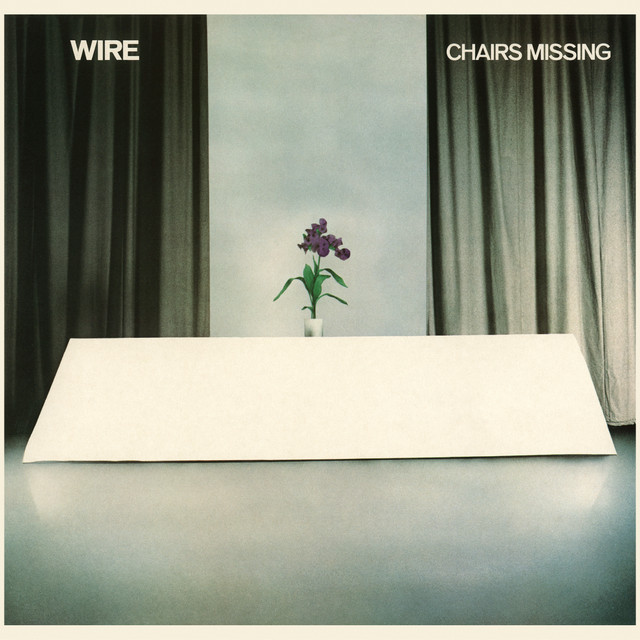
Wire stripped rock down to bone on Pink Flag (1977) and Chairs Missing (1978), writing songs so short and precise they barely had time to become conventional.
- Huggy Bear
Huggy Bear came out of Brighton and London calling themselves "girl-boy revolutionaries," and their closest American allies were Bikini Kill, with whom they made the 1993 split album Our Troubled Youth/Yeah Yeah Yeah Yeah.
- My Bloody Valentine
My Bloody Valentine formed in Dublin in 1983 and spent years going nowhere in particular.
- Lush
Formed in London in 1987, Lush became central figures in what the music press would dub "The Scene That Celebrates Itself," pairing shoegaze's wall-of-sound textures with a real pop instinct.
- LTJ Bukem
Danny Williamson pioneered ambient jungle and intelligent drum and bass through his label Good Looking Records.
- Shy FX
Exploded in 1994 with "Original Nuttah" featuring UK Apache, a ragga jungle anthem that became one of the genre's most recognizable tracks.
- 4hero
Dego McFarlane and Marc Clair operated out of Reinforced Records, bridging breakbeat hardcore and jungle's experimental fringes.
- DJ Hype
Key DJ and producer who championed jungle at clubs like AWOL and on pirate radio throughout the 90s.
- Grooverider
Legendary DJ whose Sunday night residency at Rage (later Speed) at Heaven nightclub shaped jungle's evolution from 1991 onward.
- Alien Sex Fiend
Theatrical electronic goth band who became fixtures at the Batcave club and helped define the scene's visual excess.
- Dead Can Dance
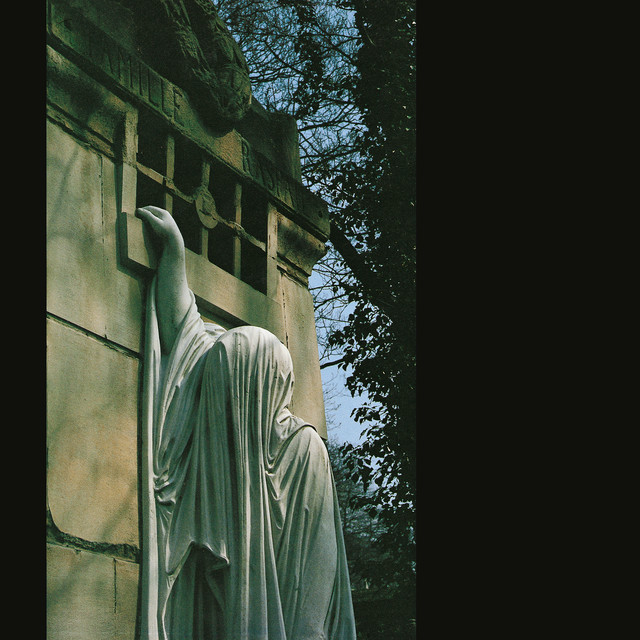
Brendan Perry and Lisa Gerrard's Australian-British project pushed darkwave toward the orchestral and the liturgical, and 1987's Within the Realm of a Dying Sun effectively wrote the rulebook for neoclassical dark wave.
- DJ EZ
Otis Roberts got his first radio slot at fourteen on the pirate station Freek FM.
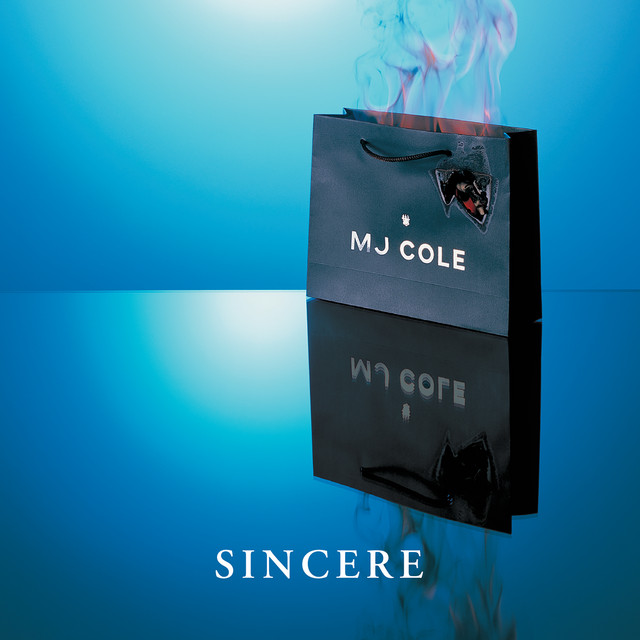
- MJ Cole
Matthew Coleman won his first piano competition at five years old and stayed on the classical track for a decade, taking scholarships to the Royal College of Music for oboe.
- Wookie
Wookie built dark, stripped-down garage productions that fed directly into both dubstep and the genre's 2010s revival.
- Zed Bias
Zed Bias pushed garage into darker, more experimental territory as the 2000s began, stripping out the R&B vocals and aspirational gloss to leave something skeletal: bare beats, heavy sub-bass.
- Dreem Teem
Timmi Magic, Mikee B and Spoony worked as the scene's Swiss Army knife: producers, DJs, remixers and pirate radio hosts all at once.
- So Solid Crew
So Solid Crew's rougher, more urban sound pulled garage toward what would become grime, and their shows drew a harder crowd than the scene's champagne-and-shiny-shoes years.
- El-B
Lewis Beadle was one half of the UK garage duo Groove Chronicles before his own 12-inches turned darker.
- Simian Mobile Disco
British electronic duo whose tracks bridged indie rock and dance music, making them fixtures of both bloghouse and nu rave.
- Whitehouse
William Bennett's Whitehouse pushed industrial past music entirely and into something closer to assault: screeching feedback, sub-bass pulses, screamed vocals, and a refusal of melody on principle.
- Public Image Ltd
After the Sex Pistols imploded, John Lydon started over with guitarist Keith Levene and bassist Jah Wobble, announcing that 'rock is obsolete' and building something out of dub, Captain Beefheart, and krautrock instead.
- Mad Professor
Born in Georgetown, Guyana, and based in London since he moved there at 13, Neil Fraser, better known as Mad Professor, helped bring Lee Perry's career back to life in the late 1980s and carried the dub tradition into digital production.
- David Bowie
Glam rock's chameleonic genius whose Thin White Duke persona, skeletal aesthetic, and albums like Station to Station provided crucial proto-goth influence.
- Curve
Curve, a London duo, took shoegaze somewhere darker and more machine-driven on their 1991 debut Doppelgänger, folding drum machines and electronic textures into the genre's usual walls of guitar.
- Tuff Jam
Karl 'Tuff Enuff' Brown and DJ Innocent ran the V.I.P.
- Emerson, Lake & Palmer
The British prog supergroup's connection to Italy ran through bassist Greg Lake, who caught PFM's live show while ELP toured the country and signed them to his own label, Manticore Records, in 1972.
- King Crimson
King Crimson's avant-garde edge and jazz-rock fusion shaped Italian prog musicians during the genre's formative years, filtering in through imported records that Milan's session players spun after hours while grinding out three-minute pop sessions by day—a quiet absorption of possibilities that would surface later in their own writing.
- Talk Talk
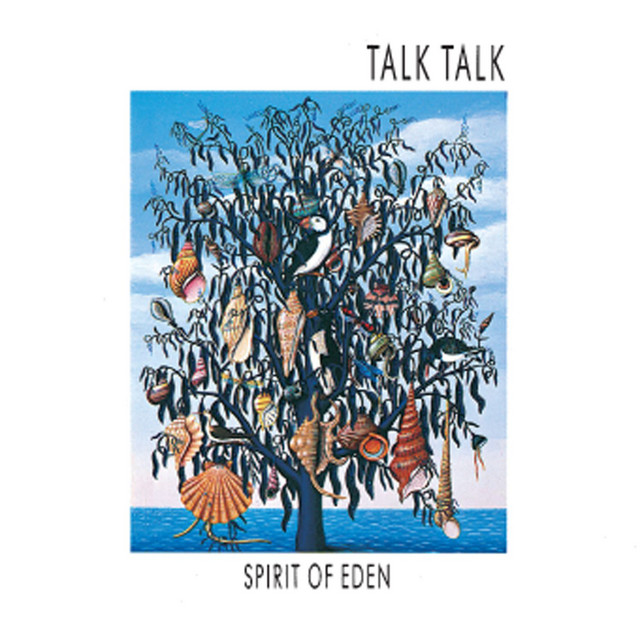
Talk Talk started as an English art-rock band, but by the time of Spirit of Eden (1988) and Laughing Stock (1991) they'd abandoned pop songwriting altogether in favor of space, jazz, and classical texture.
- Bark Psychosis
Bark Psychosis, a London band, gave post-rock its name almost by accident.
- Ginger Baker
Ginger Baker arrived in Lagos in the early 1970s already famous as the drummer behind Cream and Blind Faith, and he stayed long enough to leave a mark on Afrobeat's spread beyond Africa.
- Dave Godin
Dave Godin, born in Peckham, London, in 1936, ran Soul City, a record shop in Covent Garden opened in 1967, a long way from the clubs of the north.
- The Libertines
Formed in London in 1997 by Carl Barât and Pete Doherty, with John Hassall on bass and Gary Powell on drums for most of their recording career, the Libertines were the defining band of the early-2000s London scene.
- Bloc Party
Formed by Kele Okereke and Russell Lissack after they ran into each other at Reading Festival in 1999, Bloc Party settled on their name in 2003, with Gordon Moakes on bass and Matt Tong on drums.
- Klaxons
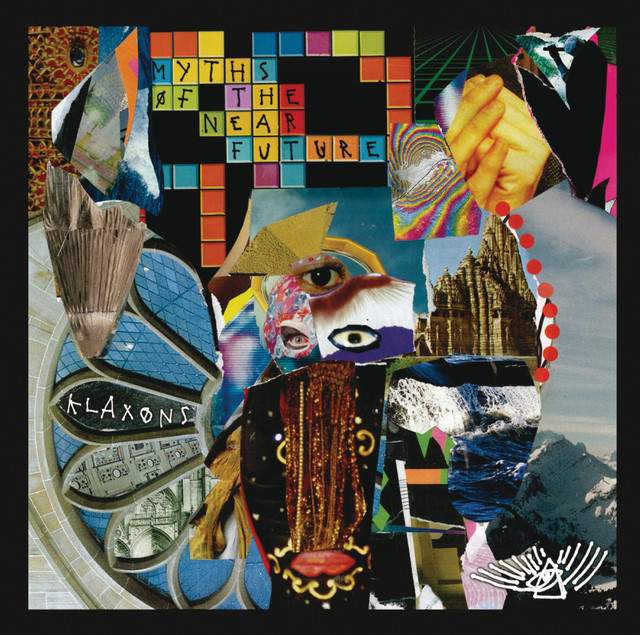
Jamie Reynolds, James Righton and Simon Taylor-Davis formed Klaxons in New Cross in 2005, aiming, in Reynolds's words, for guitars "completely tinged with early-90s rave".
- Babyshambles
Pete Doherty's band, formed in 2003 when he was banned from playing with the Libertines until he dealt with his drug use.
- Dirty Pretty Things
Carl Barât's band after the Libertines' break-up, announced in September 2005 with the Libertines' drummer Gary Powell, Anthony Rossomando, who had stood in for Doherty, and Didz Hammond from the Cooper Temple Clause.
- Suede
Suede were on the cover of Melody Maker as "The Best New Band in Britain" before their first single was out, and their 1993 debut was the fastest-selling debut album in nearly a decade.
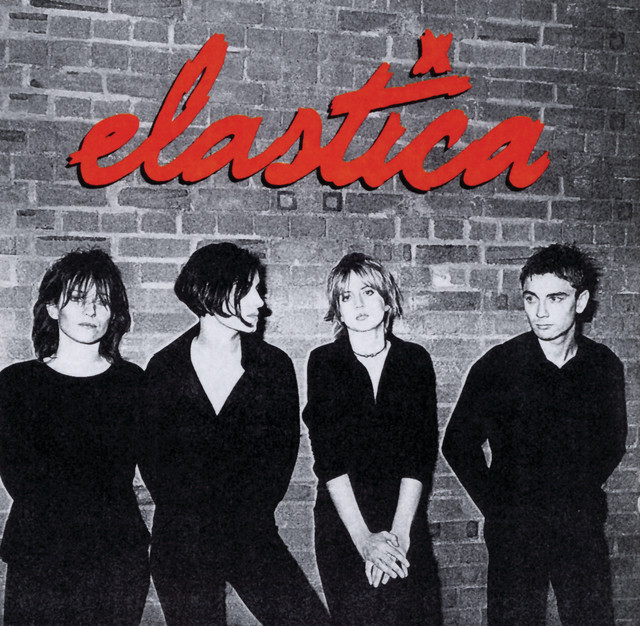
- Elastica
Justine Frischmann, an early member of Suede, formed Elastica in 1992 with drummer Justin Welch, who had also briefly played with Suede.
- the Kinks
Ray Davies wrote English character songs in the 1960s that a generation of Britpop musicians, Blur most explicitly, drew on.
- Madness
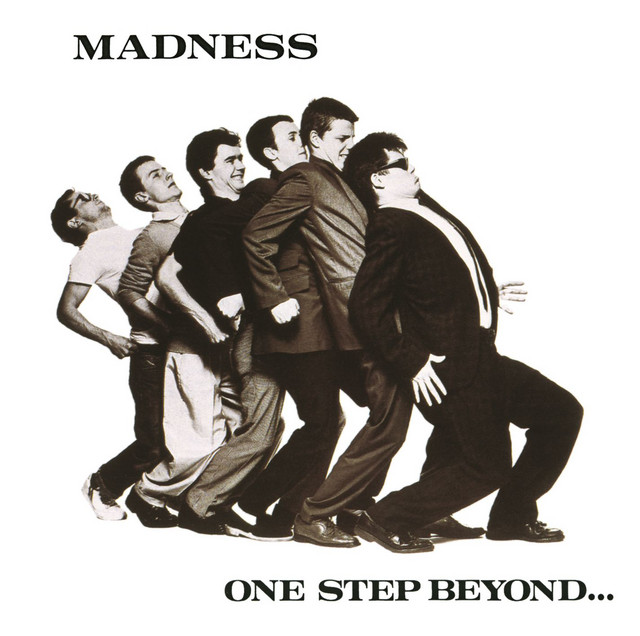
Madness came from Camden Town in north London, where the core of the band had started in 1976 as the North London Invaders; in 1979 they renamed themselves after a Prince Buster song.
- The Bodysnatchers
Nicky Summers formed the Bodysnatchers in London in 1979, a seven-piece all-female band whose members had only recently learned their instruments.
- Kode9
Steve Goodman, born in Scotland in 1973, studied philosophy in Edinburgh and at Warwick, where he ran jungle nights, and moved to London in 1999.
- Television Personalities
Dan Treacy formed the Television Personalities in London in 1977 after hearing the Sex Pistols; their first single, "14th Floor", came out in January 1978, and "Part Time Punks" became a John Peel favorite.
- Razorlight
Johnny Borrell formed Razorlight in 2002 after playing around London as a solo acoustic singer alongside the Libertines, who had taught him the bass lines for four songs for a Rough Trade showcase he failed to attend.
- Art Brut
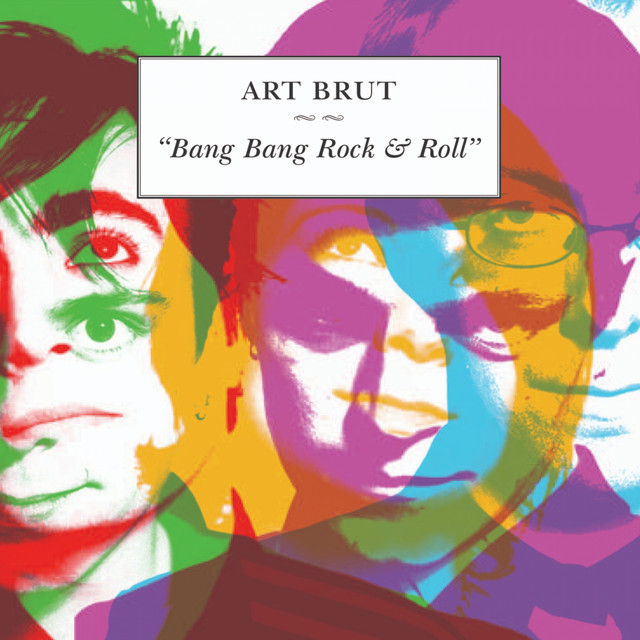
Eddie Argos's band played their first gig in May 2003 at the Verge in Kentish Town and were soon associated with the New Cross scene: "Formed a Band" appeared on Angular's New Cross sampler that November, and Rough Trade released it as a one-off single in 2004.
- The Others
Formed in 2002 and known for riotous shows, the Others took the guerrilla gig further in 2004, playing on a Hammersmith & City line tube train and on the Abbey Road crossing.
- Erol Alkan
A DJ from Archway in North London who relaunched his club night as Trash in 1997 and ran it on Mondays until 2007, mixing guitar records with electroclash, dance music and mash-ups.
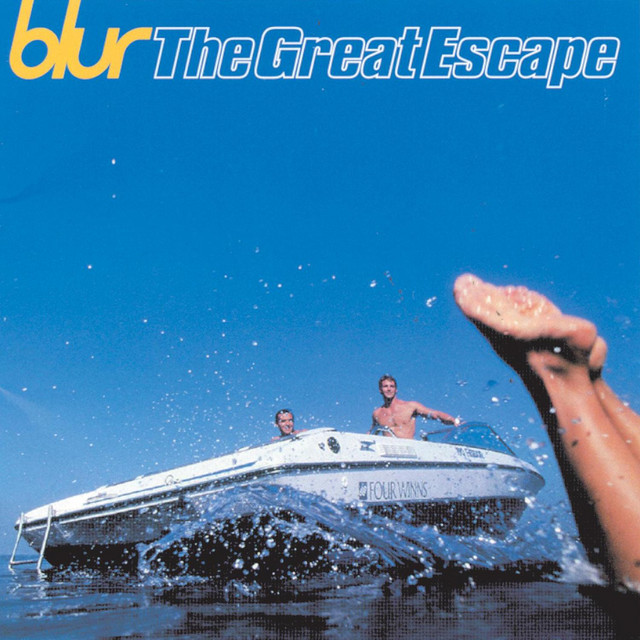
- Blur
Blur started out indebted to Madchester and shoegaze, until a miserable 1992 US tour left Damon Albarn resenting American culture and missing England.
- Sleeper
Louise Wener and Jon Stewart met at Manchester University and formed Sleeper in London.
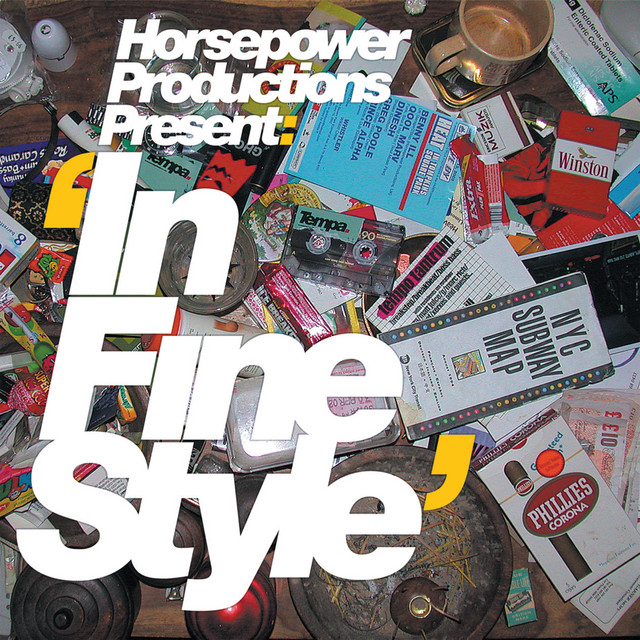
- Horsepower Productions
Horsepower began as a larger collective around Benny Ill (Ben Garner), linked to the drum and bass label No U Turn.
- Rhoda Dakar
Born in Hampstead, London, in 1959, Rhoda Dakar joined the Bodysnatchers as lead singer in 1979.
- Bad Manners
Fronted by Buster Bloodvessel, Bad Manners started at Woodberry Down Comprehensive School in north London and played their first gig in January 1978.
Places
- 1The Roundhouse1966-1983 · CBGB's 70s Punk
Chalk Farm venue where the Ramones played their pivotal July 4, 1976 Bicentennial show, catalyzing British punk in a single night witnessed by future members of the Clash and Sex Pistols.
- Protocol Studios1980s-1990s · Shoegaze and Dreampop
One of 19 studios where My Bloody Valentine recorded Loveless, becoming central to Kevin Shields' perfectionist quest for revolutionary guitar tones. The studio witnessed Shields' all-night experimental sessions that nearly bankrupted Creation Records.
- ULU (University of London Union)1960s-present · Shoegaze and Dreampop
A crucial venue for the emerging Thames Valley scene where many shoegaze bands played early London shows. Its large capacity made it ideal for the genre's wall-of-sound aesthetic.
- 2Blackwing Studios1989-present · Shoegaze and Dreampop
Another key studio in the Loveless recording odyssey where Kevin Shields refined his sampling techniques and glide guitar innovations that defined shoegaze's sonic signature.
- Creation Records Office1983-1999 · Shoegaze and Dreampop
Alan McGee's label headquarters became the epicenter of shoegaze as he signed My Bloody Valentine, Ride, and Slowdive, giving them artistic freedom despite the financial risks that nearly destroyed the label.
- 3The Borderline1985-present · Shoegaze and Dreampop
This Soho club hosted numerous shoegaze shows during the genre's peak years and served as a regular venue for the incestuous scene where bands constantly attended each other's performances.
- 4The Batcave1982-1985 · UK Goth
Opening on 21 July 1982 in Soho, the Batcave became the geographical epicenter of UK goth, hosting Specimen, Alien Sex Fiend, and Sex Gang Children in its theatrical, cobweb-draped interior. Club founder Olli Wisdom of Specimen created a space where the visual and sonic aesthetics of goth could fully coalesce.
- 5The Rock Garden1976-2002 · UK Goth
Covent Garden venue where many early goth and post-punk bands cut their teeth in the late 1970s and early 1980s. Its small capacity and sweaty basement atmosphere made it ideal for the claustrophobic intensity of early gothic performances.
- 6Morgan Studios1967-2001 · UK Goth
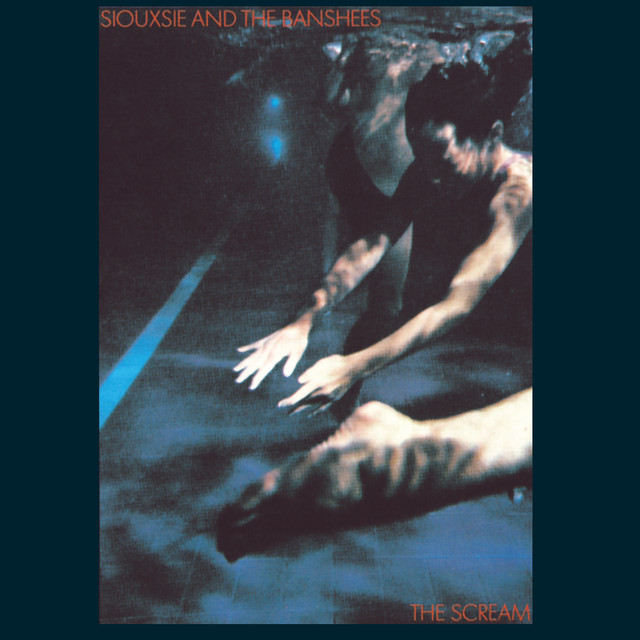
Where Siouxsie and the Banshees recorded The Scream in 1978, establishing the sonic template for gothic post-punk with producer Steve Lillywhite. The studio's reputation for experimental production made it a natural fit for the band's atmospheric ambitions.
- 7The Marquee Club1958-2008 · UK Goth
Though primarily known for earlier rock movements, the Marquee hosted crucial early performances by Bauhaus, UK Decay, and other proto-goth acts in 1979-1980, legitimizing the emerging sound alongside established punk and new wave acts.
- 8The 100 Club1942-present · UK Post-Punk
This Oxford Street venue hosted the September 1976 Punk Festival where Siouxsie and the Banshees performed their first-ever gig with a 20-minute improvisation, marking what many consider the first proto-post-punk performance.
- Rough Trade Shop1976-present · UK Post-Punk
This Notting Hill record shop and distribution hub, founded by Geoff Travis in 1976, became the epicenter of independent music culture, providing crucial infrastructure for post-punk labels like Factory, Mute, and 4AD to reach audiences.
- The Moonlight Club1976-1990 · UK Post-Punk
This West Hampstead venue became a key London post-punk space in the late 1970s, hosting regular performances by Joy Division, Bauhaus, and Killing Joke before transforming into different incarnations throughout the 1980s.
What happened here
- 1972British press coins 'Krautrock'
British music journalists, possibly John Peel or Melody Maker writers, begin using 'Krautrock' as catch-all term for German experimental rock; musicians hate it but the name sticks.
German Krautrock - 1976Ramones' London Shows Ignite UK Punk
The Ramones play London's Roundhouse on July 4, directly influencing the Sex Pistols, the Clash, and the nascent British punk movement.
CBGB's 70s Punk - 1976100 Club Punk Festival Performance
Siouxsie Sioux improvises twenty-minute version of 'The Lord's Prayer' with Sid Vicious on drums, planting seeds for theatrical punk darkness.
UK Goth - 1977Jon Savage's 'New Musick' editorial
Sounds magazine publishes Savage's piece on 26 November describing emerging post-punk bands, coining terminology that defined the movement's early phase.
UK Post-Punk - 1985The Jesus and Mary Chain release Psychocandy
Scottish band's debut blends pop melodies with feedback and noise, becoming the immediate sonic precursor to shoegaze and prompting My Bloody Valentine to change their approach.
Shoegaze and Dreampop - 1990Ride's Nowhere and the EP explosion
Ride releases three consecutive EPs reaching the UK top 40, followed by debut album Nowhere at number 11, while Slowdive, Lush, and Pale Saints all issue defining early releases.
Shoegaze and Dreampop - 1992The backlash begins
NME runs satirical 'Memoirs of a Shoegazing Gentleman' mocking bands as privileged; Melody Maker champions Suede as 'The Best New Band in Britain,' signaling Britpop's rise.
Shoegaze and Dreampop - 1993Souvlaki released to hostile reviews
Slowdive's Brian Eno collaboration receives Melody Maker's infamous 'bath full of porridge' review; Manic Street Preachers' Richey Edwards declares 'We will always hate Slowdive more than Hitler.'
Shoegaze and Dreampop - 1995Slowdive dropped; scene dissolves
Creation drops Slowdive a week after releasing Pygmalion; the band splits with members forming Mojave 3, effectively ending the first wave of shoegaze.
Shoegaze and Dreampop - 2007My Bloody Valentine reunite
After 16 years apart, MBV return for shows at London's ICA in June 2008, spending £200,000 on equipment and initiating a wave of first-wave reunions.
Shoegaze and Dreampop - 2013m b v released after 22 years
My Bloody Valentine's third album appears with no warning in February, crashing the band's website and receiving universal critical acclaim, validating the long wait.
Shoegaze and Dreampop
Records made by artists from London
- The ScreamSiouxsie and the Banshees · 1978
- Chairs MissingWire · 1978
- One Step Beyond...Madness · 1979
- Metal BoxPublic Image Ltd · 1979
- KaleidoscopeSiouxsie and the Banshees · 1980
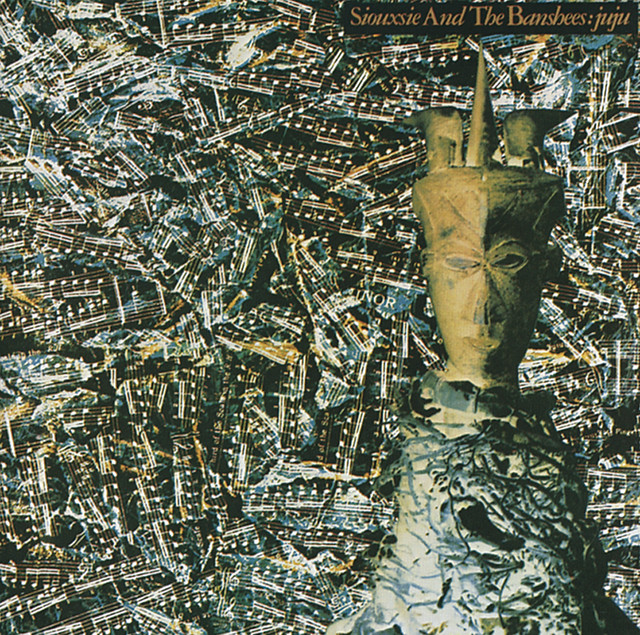
- JujuSiouxsie and the Banshees · 1981
- A Kiss in the DreamhouseSiouxsie and the Banshees · 1982
- Within the Realm of a Dying SunDead Can Dance · 1987
- Spirit of EdenTalk Talk · 1988
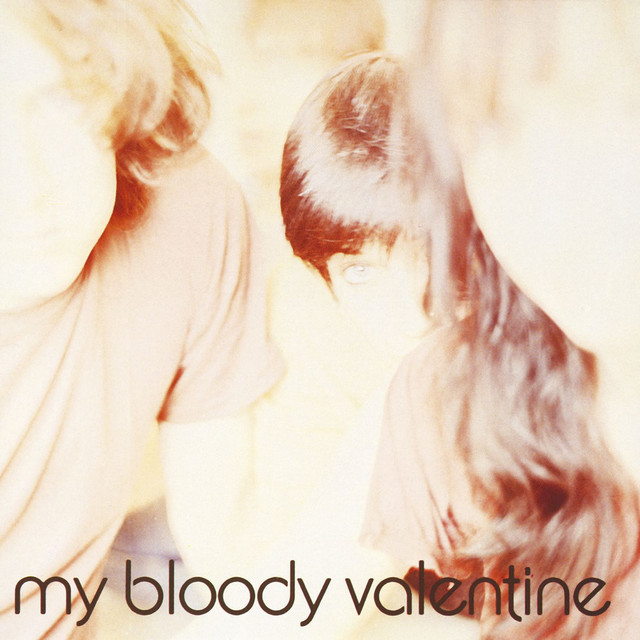
- Isn't AnythingMy Bloody Valentine · 1988
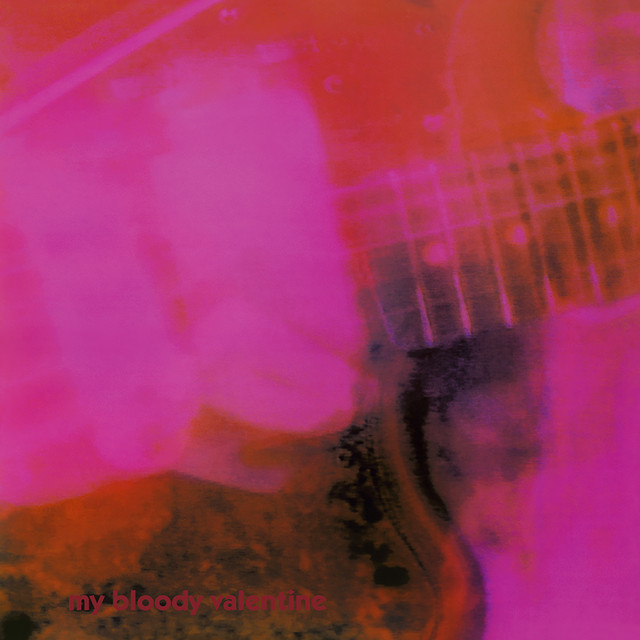
- LovelessMy Bloody Valentine · 1991
- SuedeSuede · 1993
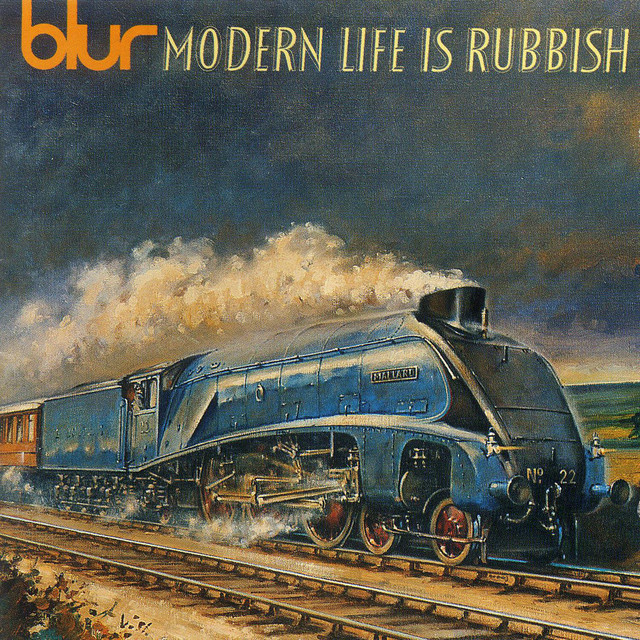
- Modern Life Is RubbishBlur · 1993
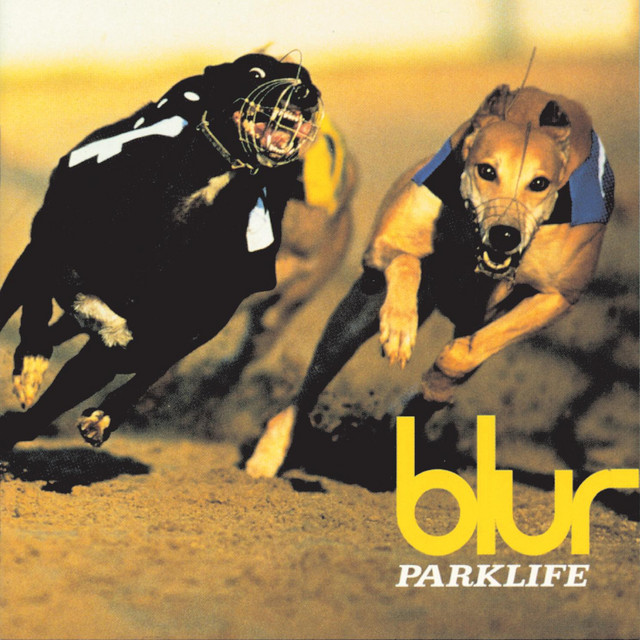
- ParklifeBlur · 1994
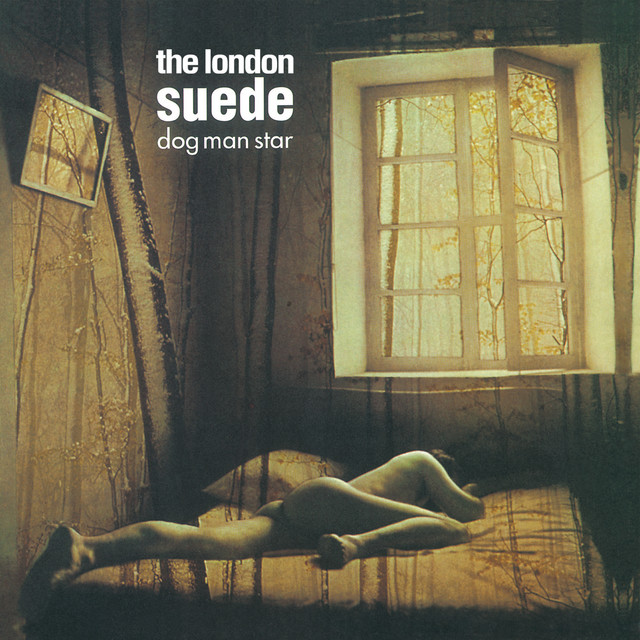
- Dog Man StarSuede · 1994
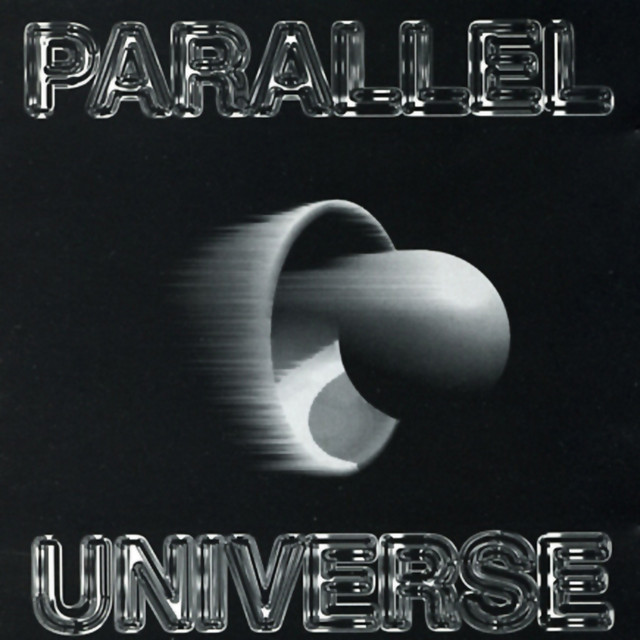
- Parallel Universe4hero · 1994
- ElasticaElastica · 1995
- The Great EscapeBlur · 1995
- Logical ProgressionLTJ Bukem · 1996
- SincereMJ Cole · 2000
- In Fine StyleHorsepower Productions · 2002
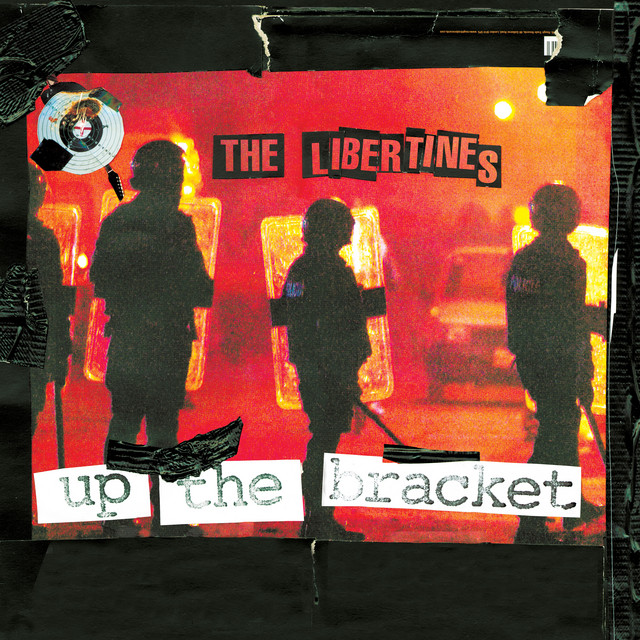
- Up the BracketThe Libertines · 2002
- Cut to the ChaseMJ Cole · 2003
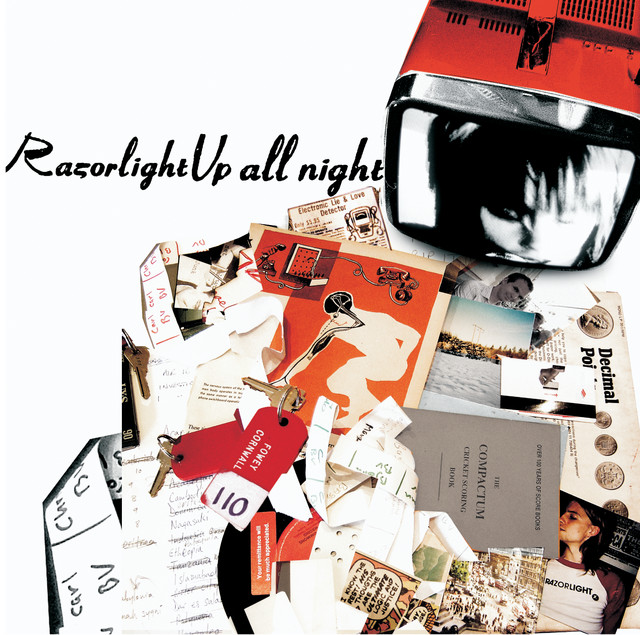
- Up All NightRazorlight · 2004
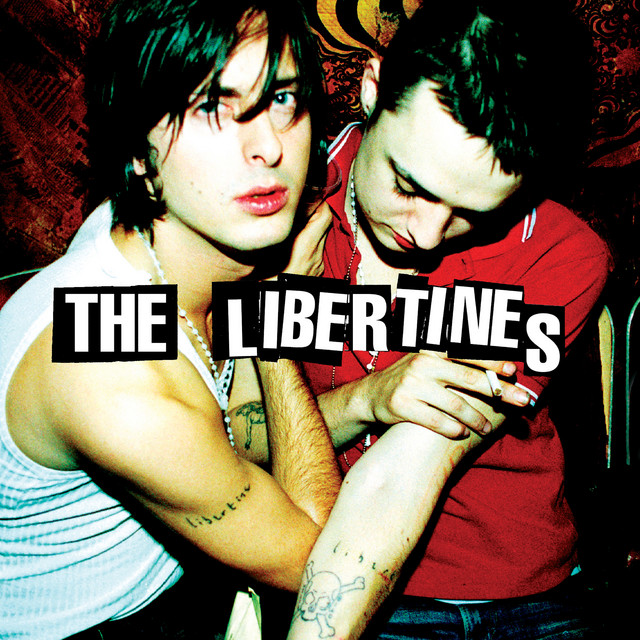
- The LibertinesThe Libertines · 2004
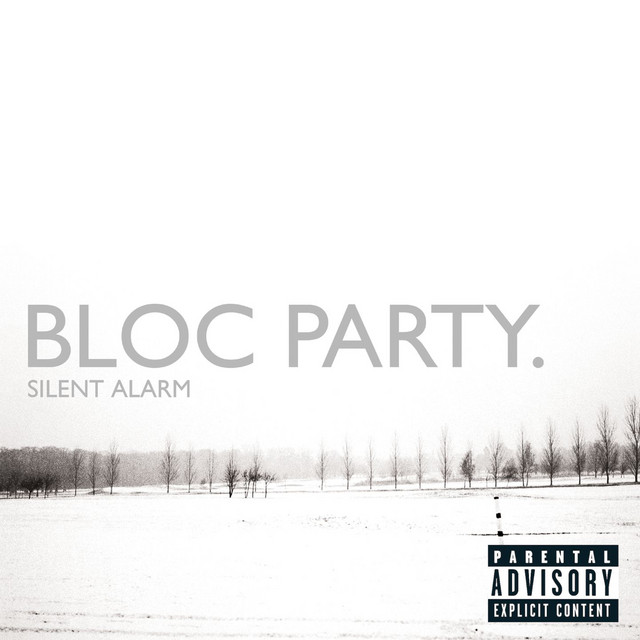
- Silent AlarmBloc Party · 2005
- Bang Bang Rock & RollArt Brut · 2005
- Down in AlbionBabyshambles · 2005
- Attack Decay Sustain ReleaseSimian Mobile Disco · 2007
- Myths of the Near FutureKlaxons · 2007
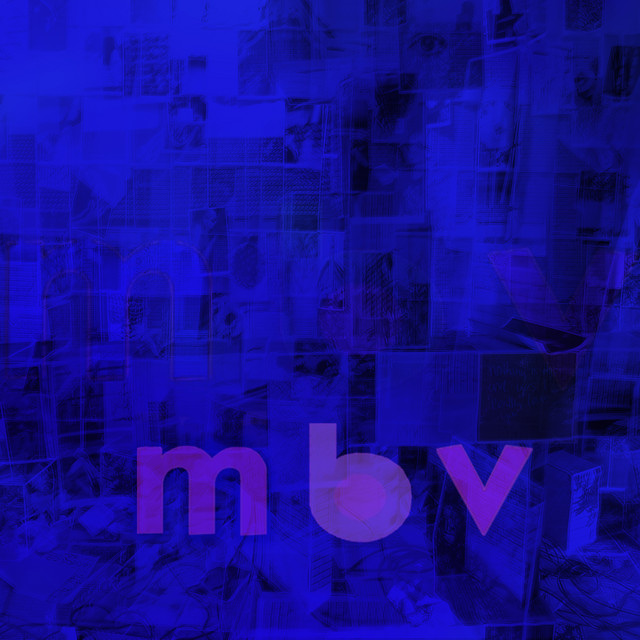
- m b vMy Bloody Valentine · 2013



Connections
London and the Thames Valley formed a connected shoegaze corridor; Creation Records signed bands from across the region.
Detroit techno found its first mass audience in UK clubs, where it merged with acid house to create rave culture.
Jamaican immigrants brought sound system culture and dub production techniques to London, seeding the UK dub and jungle scenes.
Manchester's post-punk scene developed in tension with London, with Factory Records positioning itself as an alternative to the capital's music industry.
No wave's confrontational approach influenced UK post-punk bands; Lydia Lunch and Glenn Branca toured the UK extensively.