Post-Rock
From Louisville basements to Montreal soundscapes: the reinvention of rock as texture, atmosphere, and instrumental storytelling
- The Spiderland Sessions
- Mistaken for Terrorists
- The Ham and the Catcher's Mitt
In this issue
- 01Chapter 1The Scene2 min
- 02Chapter 2Key PlayersMembers
- 03Chapter 3Defining the SoundMembers
- 04Chapter 4StoriesMembers
- 05Chapter 5Legacy and InfluenceMembers
- 06The long readThe First Overcall AlbumMembers
- 07The castWho was thereMembers
- 08Family treeWho played with whomMembers
- 09In their own wordsHear them tell itMembers
- 10Essential recordsThe records that made itMembers
- 11The labelsWho put it on recordMembers
- 12The gearWhat made the soundMembers
- 13Chronology1977 to 2021Members
- 14StoriesThe stories behind itMembers
- 15PlacesWhere it happenedMembers
- 16ConnectionsWhere it ledMembers
The Scene
London, 1977. Brian Eno and David Bowie hunched over a mixing desk, making Low—its side two a suite of instrumental pieces where texture mattered more than riffs, where atmosphere replaced showmanship. Two decades later, critics would call it proto-post-rock. But the real starting point was a basement in Louisville's Highlands neighborhood, 1986. A few hardcore kids were getting bored.
Slint formed that year in Britt Walford's parents' basement, out of the remains of two local bands, Squirrel Bait and Maurice. Brian McMahan and David Pajo had been pushing toward something more angular, more obtuse—playing with dynamics and silence in ways that made their bandmates uncomfortable. When Pajo showed up to Maurice rehearsal with the riffs that would become 'Darlene,' the singer didn't know what to do with it. “I guess they just wanted to rock, you know, like more so, and we were just getting into weirder stuff,” Pajo recalled. The Minutemen had shown them you could be punk without being loud all the time. When Maurice's other members bailed, Walford and Pajo kept the stranger material. They called themselves Slint, named after one of Walford's pet fish.
Read the rest of this issue, and every other one.
The full essay, the cast (Slint, Godspeed You! Black Emperor, Mogwai and more), the records, the chronology and the stories. About 15 minutes of reading, with the music a click away.
Start your 7-day free trialThen $5 a month. Cancel any time.10 albums, and the stories behind them
- 1
It reached the genre's core idea, using rock instruments for non-rock ends, before the idea even had a name.
- 2
This is the foundational text of post-rock, pioneering the quiet-loud dynamics that defined everything after it.
- 3
It moved 'post-rock' from underground shorthand into general critical use, proving the genre could groove.
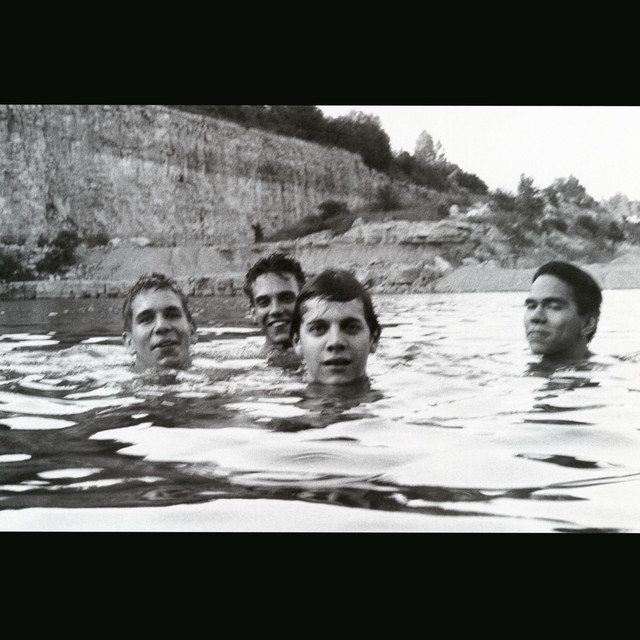
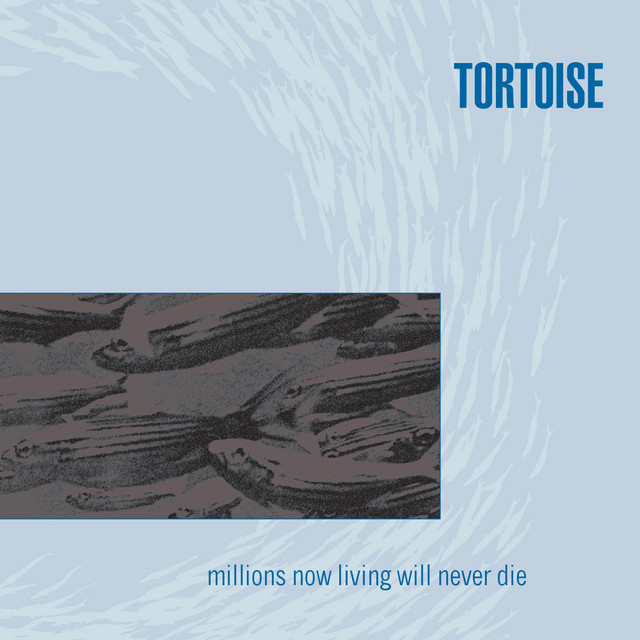
- Spiderland
- Millions Now Living Will Never Die
- Mogwai Young Team
- Rock Action
- Ágætis byrjun
- Spirit of Eden