Iranian Psychedelic Rock (Pre-1979)
How Tehran's underground fused Persian poetry with fuzz guitars before the revolution silenced a generation
- The Guitar in the Shop Window
- Five Million Copies and Modest Royalties
- Googoosh Returns to Tehran
In this issue
- 01Chapter 1The Scene2 min
- 02Chapter 2Key PlayersMembers
- 03Chapter 3Defining the SoundMembers
- 04Chapter 4StoriesMembers
- 05Chapter 5Legacy and InfluenceMembers
- 06The castWho was thereMembers
- 07In their own wordsHear them tell itMembers
- 08Essential recordsThe records that made itMembers
- 09The labelsWho put it on recordMembers
- 10The gearWhat made the soundMembers
- 11Chronology1954 to 2011Members
- 12StoriesThe stories behind itMembers
- 13PlacesWhere it happenedMembers
- 14ConnectionsWhere it ledMembers
The Scene
The story begins not in the '70s psychedelic explosion but in 1956, when a ten-year-old boy in Shahrud opened a santur box his father had given him. Kourosh Yaghmaei's mother later claimed he started playing a song immediately, despite never having seen the instrument before. Whether that's memory or myth matters less than what it represents: self-invention in isolation, musical knowledge appearing from nowhere, the pattern that would define Iranian rock.
By 1963, The Raptures—Yaghmaei's first band, named after The Ventures—were covering surf rock in Tehran clubs. The 1967 lineup featured Yaghmaei on lead vocal and guitar, Bahram Saeedi on electric guitar, Kamran Khasheh on organ, Jahangir on bass, and a drummer credited only as Viguen, not the singer of the same name. Equipment was so scarce their bass player used the fifth and sixth strings of an electric guitar. They performed in the 1965 Golden Microphone contest, playing Beatles and Kinks covers that bounced off ancient city walls. The proto-scene was already there: young Iranians with money for imported records, western-educated elites who'd studied in Europe, and a Shah who encouraged modernization while maintaining authoritarian control.
Read the rest of this issue, and every other one.
The full essay, the cast (Kourosh Yaghmaei, Googoosh and more), the records, the chronology and the stories. About 20 minutes of reading, with the music a click away.
Start your 7-day free trialThen $5 a month. Cancel any time.8 albums, and the stories behind them
- 1
The song that proved Iranian rock could sell millions and become a household phenomenon almost overnight.
- 2
Shows the era's other pillar, Googoosh, blending western pop influence with unmistakably Iranian melodic tradition.
- 3
Frames the whole scene's rise, sound, and survival for listeners hearing it outside Iran for the first time.

- Do Panjereh (Two Windows)
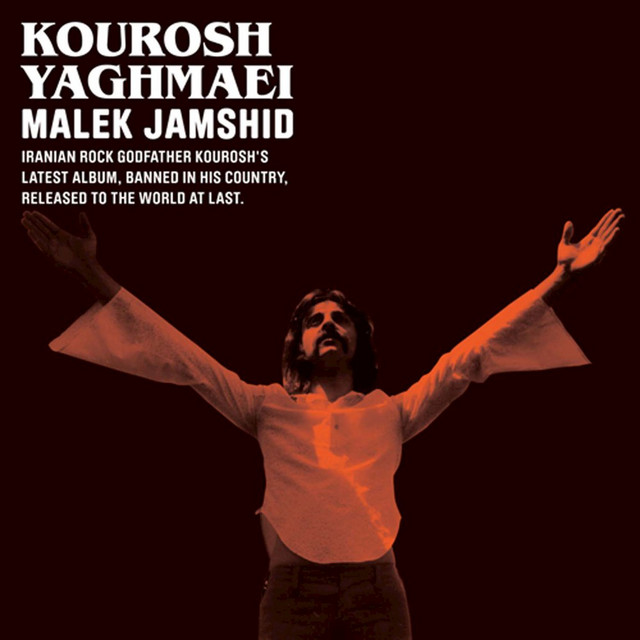
- Malek Jamshid
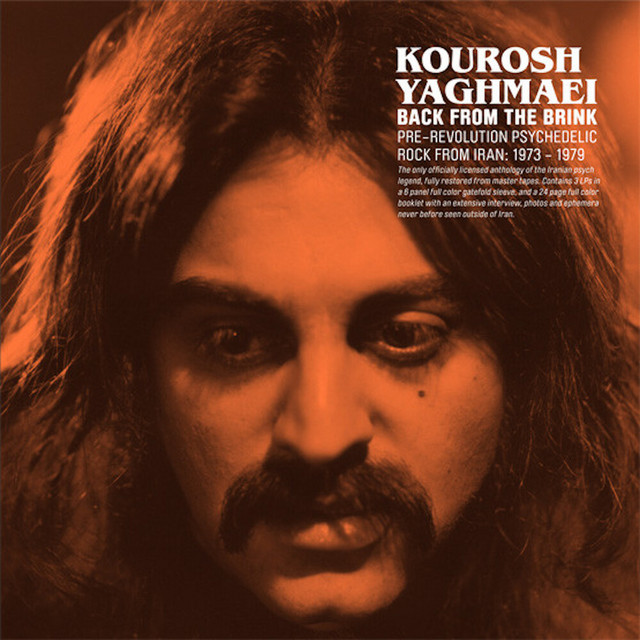
- Back from the Brink: Pre-Revolution Psychedelic Rock from Iran: 1973-1979