Wire
Wire stripped rock down to bone on Pink Flag (1977) and Chairs Missing (1978), writing songs so short and precise they barely had time to become conventional. Jon Savage's 'New Musick' editorial in Sounds grouped them with Siouxsie and the Banshees as bands working in 'harsh urban scrapings, controlled white noise, massively accented drumming.' Nothing in their sound was wasted; nothing overstayed. The band split and reformed multiple times over the decades with shifting lineups, but it's those first two records, made when the group was barely out of art school, that shaped everything post-punk and later indie rock took from them.
At a glance
- Active
- 1976–1980, reformed
- From
- London, UK
- Records in the issues
- 1 (1978)
- Original label
- Harvest
- Listening guide track
- “Outdoor Miner - Single Version”
Listen
In the UK Post-Punk listening guide: “Outdoor Miner - Single Version”
In the issues
- UK Post-PunkSupporting cast · 1977-1984
UK Post-Punk is a music scene from United Kingdom, 1977–1984. Its principal artists include Joy Division, Siouxsie and the Banshees, The Fall and Public Image Ltd. This issue covers 10 essential albums and 18 dated events.
Records
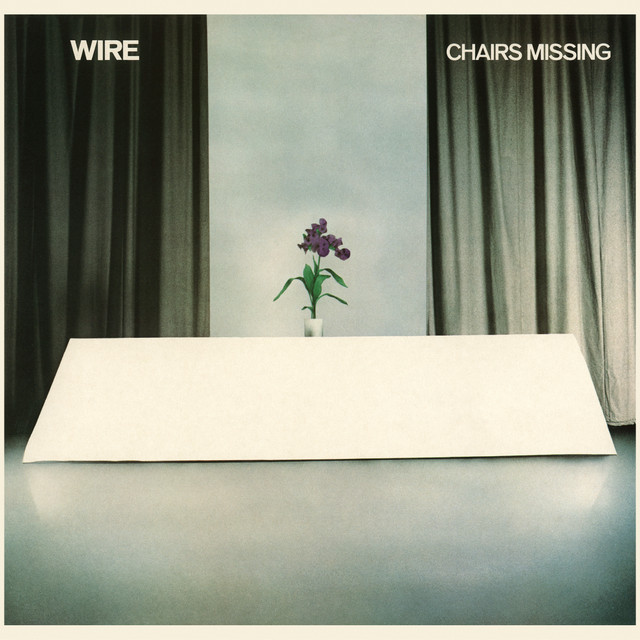
Chairs Missing
1978 · Go deeper in UK Post-PunkOriginal release: Harvest · SHSP 4093 · 12″ Vinyl · UK 1978Wire's second album kept the minimal, angular attack of Pink Flag but let synthesizers into the mix, pushing the band further into the art-rock experimentalism that would shape post-punk's next phase. Jon Savage's 'New Musick' editorial grouped Wire with Siouxsie and the Banshees as acts working in 'harsh urban scrapings, controlled white noise, massively accented drumming,' a description that fit Chairs Missing's tightly wound songcraft as well as anything Wire had made before it.
Listen on Spotify