Darkwave and Synth Goth
When post-punk met affordable synthesizers in the bedrooms and basements of 1980s Europe
- Carrying Synthesizers to the BBC
- The Imagination That Fractured Everything
- Finding Poetry in German Magazines
In this issue
- 01Chapter 1The Scene1 min
- 02Chapter 2Key PlayersMembers
- 03Chapter 3Defining the SoundMembers
- 04Chapter 4StoriesMembers
- 05Chapter 5Legacy and InfluenceMembers
- 06The castWho was thereMembers
- 07Family treeWho played with whomMembers
- 08In their own wordsHear them tell itMembers
- 09Essential recordsThe records that made itMembers
- 10The labelsWho put it on recordMembers
- 11The gearWhat made the soundMembers
- 12Chronology1975 to 2013Members
- 13StoriesThe stories behind itMembers
- 14PlacesWhere it happenedMembers
- 15ConnectionsWhere it ledMembers
The Scene
The term appeared in print in 1977. Sounds magazine ran a feature on Kraftwerk's Trans-Europe Express and called it “cold wave”—a name for something that hadn't quite frozen yet. Two years earlier, Kraftwerk had sketched it out with Radio-Activity: frigid melodies, brittle percussion, machines dreaming in minor keys. By 1979, Martin Hannett was stripping rock music to its skeleton at Strawberry Studios in Manchester, producing Joy Division's Unknown Pleasures. The Cure's 'A Forest' proved that spartan mood pieces could chart. None of this was called darkwave yet. It was punk's DIY ethos colliding with newly affordable synthesizers.
Darkwave emerged as a term in the early 1980s across continental Europe. German magazines like Zillo used it to describe the gloomy, melancholic variant of new wave spreading through bedrooms and small studios. The timing mattered. Portable Minimoogs and Korg MS-20s had broken the prog wizards' stranglehold on synthesizers. A Korg MS-10 and a rhythm machine cost a few hundred guilders. Any disaffected post-punk kid in Nijmegen or Turin could suddenly conjure atmospheres that previously required an orchestra. The music that resulted was colder than new wave, darker than synthpop, more introspective than either.
Read the rest of this issue, and every other one.
The full essay, the cast (Clan of Xymox, Depeche Mode, The Frozen Autumn and more), the records, the chronology and the stories. About 11 minutes of reading, with the music a click away.
Start your 7-day free trialThen $5 a month. Cancel any time.10 albums, and the stories behind them
- 1
Martin Hannett's austere, room-as-instrument production set the sonic template darkwave would draw on for decades.
- 2
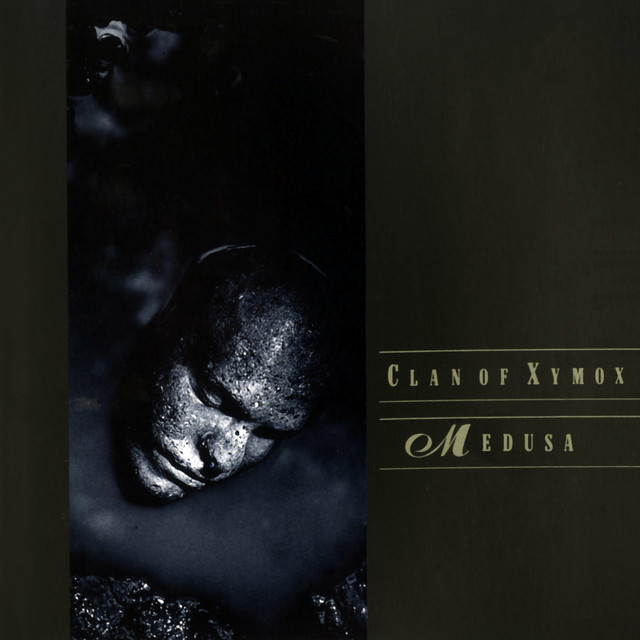
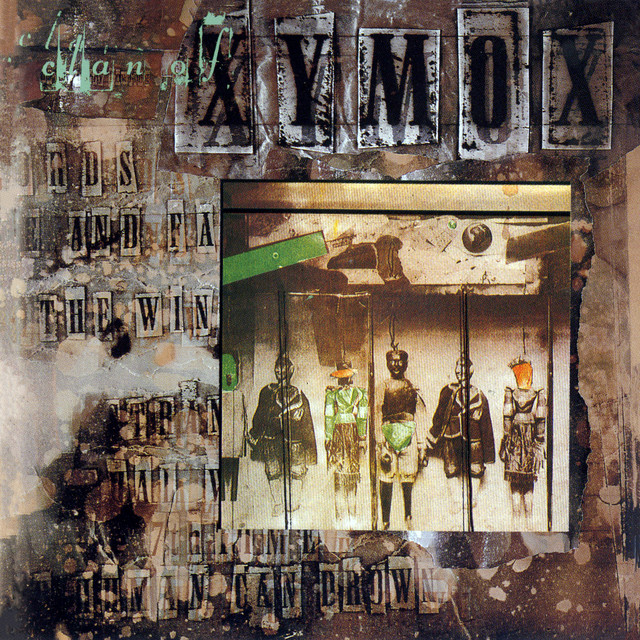
Its scrappy synth-and-drum-machine setup defined Dutch darkwave and launched a career still running four decades later.
- 3
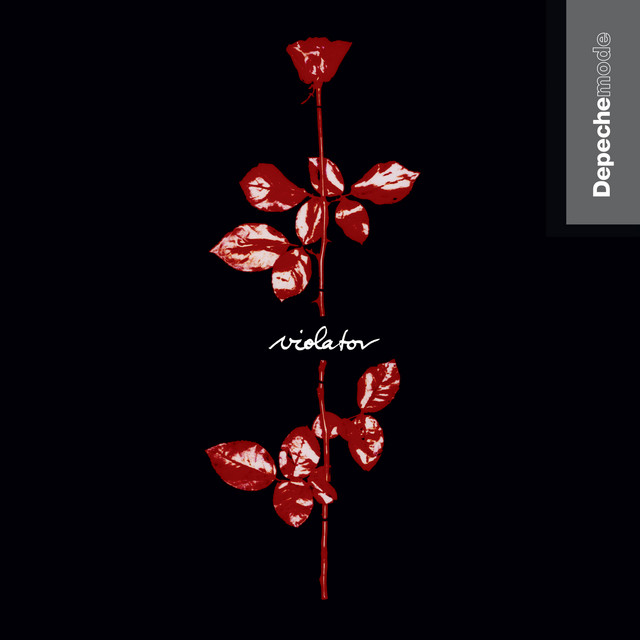
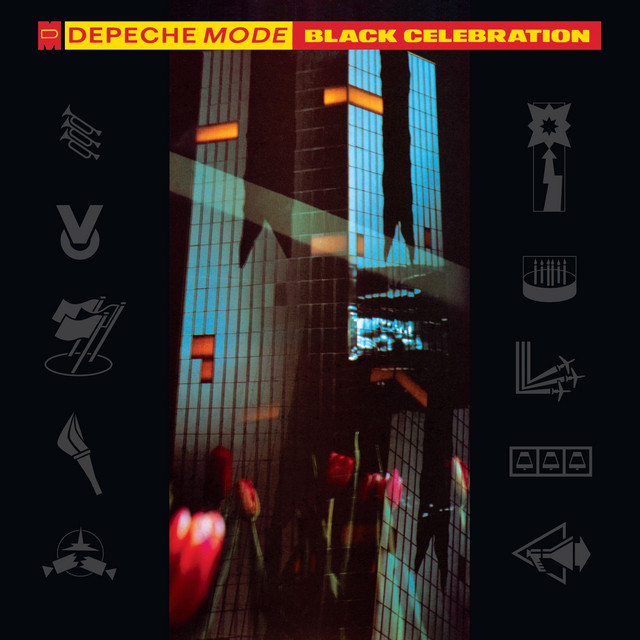
It shows darkwave's turn from danceable industrial pop to ominous, emotionally weighted electronic production, a template others followed.
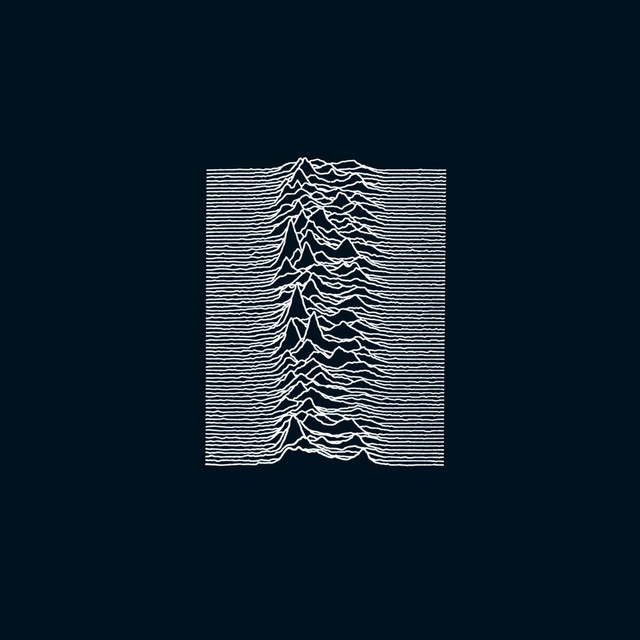
- Unknown Pleasures
- Clan of Xymox
- Medusa
- Black Celebration
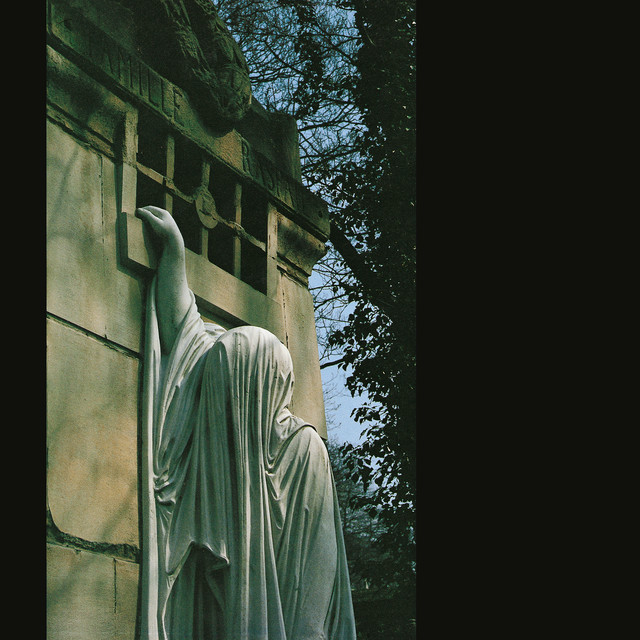
- Within the Realm of a Dying Sun
- Violator