Industrial
From COUM Transmissions' confrontational art actions to Nine Inch Nails' platinum albums, the sound of post-industrial society
- The Gristle-izer
- Arista's Makeover
- The Tate Murder House Sessions
In this issue
- 01Chapter 1The Scene1 min
- 02Chapter 2Key PlayersMembers
- 03Chapter 3Defining the SoundMembers
- 04Chapter 4StoriesMembers
- 05Chapter 5Legacy and InfluenceMembers
- 06The long readThe Information Is StoredMembers
- 07The castWho was thereMembers
- 08Family treeWho played with whomMembers
- 09In their own wordsHear them tell itMembers
- 10Essential recordsThe records that made itMembers
- 11The labelsWho put it on recordMembers
- 12The gearWhat made the soundMembers
- 13Chronology1913 to 2020Members
- 14StoriesThe stories behind itMembers
- 15PlacesWhere it happenedMembers
- 16ConnectionsWhere it ledMembers
- 17Go furtherRead and watch nextMembers
The Scene
Industrial music crystallized in 1976, but its DNA reaches back to 1913. That year, Italian Futurist Luigi Russolo published The Art of Noises, demanding music that reflected “the sounds of a modern industrial society.” Jean Cocteau's Parade at Paris's Chatelet Theatre in 1917 deployed dynamos, Morse code machines, sirens, and typewriters as instruments. Arseny Avraamov conducted his Symphony of Factory Sirens in Baku in 1922, scoring for navy ship sirens, cannons, and machine guns. Arthur Honegger's Pacific 231 (1923) mimicked a steam locomotive in motion. These weren't just experiments. They were prophecies.
By the early 1970s, those prophecies came true in England's post-industrial wreckage. Hull, a fishing port bombed to rubble in the Second World War and rebuilt ugly and cheap, wasn't the obvious birthplace for revolutionary music. “The people in Hull are pretty uncompromising,” Cosey Fanni Tutti told Bandcamp Daily. “They know what they like, and if they don't like you, you'll soon find out. You've got to stand your ground there. I absolutely love the belligerence of the people there—that can come in handy as a strength of mine.”
Read the rest of this issue, and every other one.
The full essay, the cast (Throbbing Gristle, Nine Inch Nails, Ministry and more), the records, the chronology and the stories. About 10 minutes of reading, with the music a click away.
Start your 7-day free trialThen $5 a month. Cancel any time.10 albums, and the stories behind them
- 1The Second Annual Report
Industrial Records' first LP established the confrontational aesthetic that would define the genre for two decades.
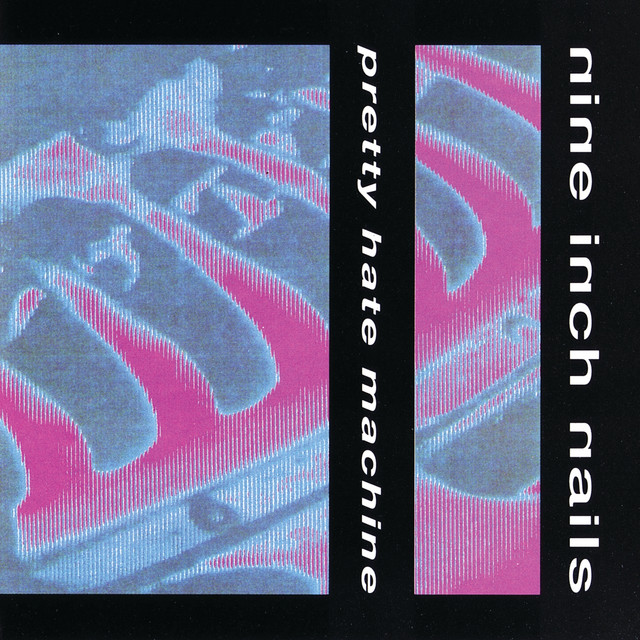
- 2Pretty Hate Machine
It made industrial radio-friendly without sanding off its edge, fusing aggression with genuine pop songwriting.
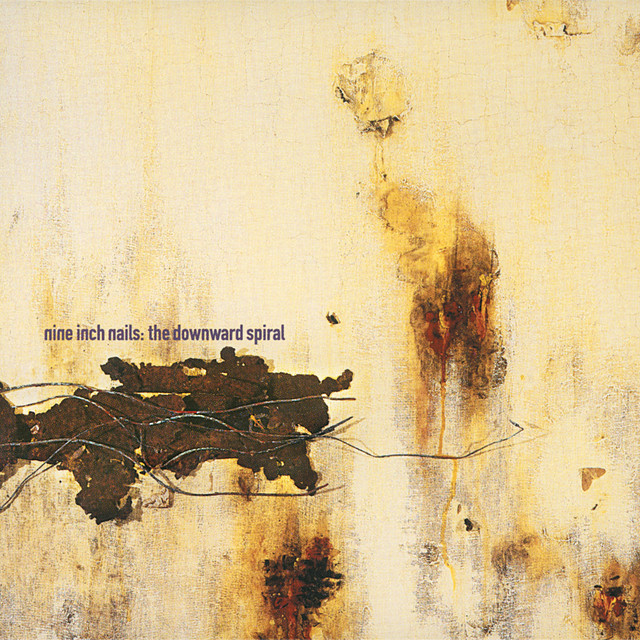
- 3The Downward Spiral
It turned industrial into a stadium phenomenon, four million copies sold, showing the genre's commercial peak.
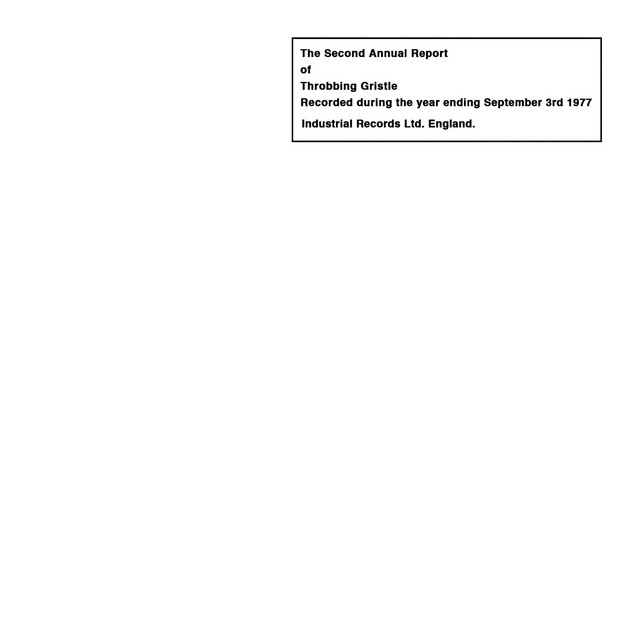
- The Second Annual Report
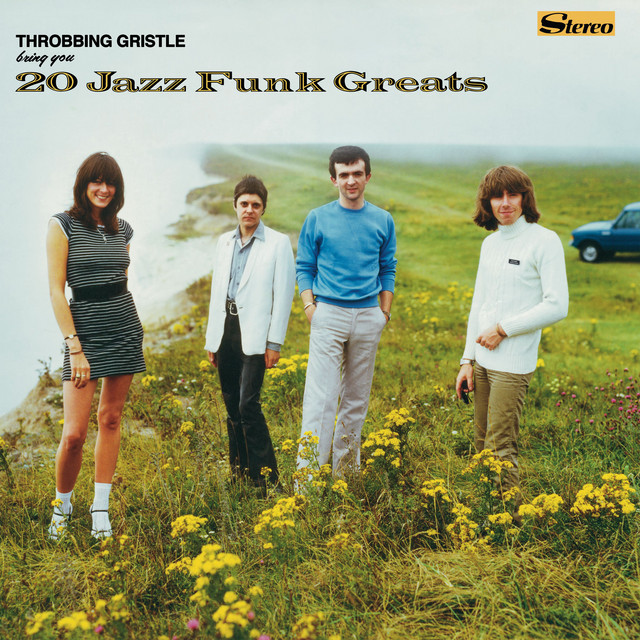
- 20 Jazz Funk Greats
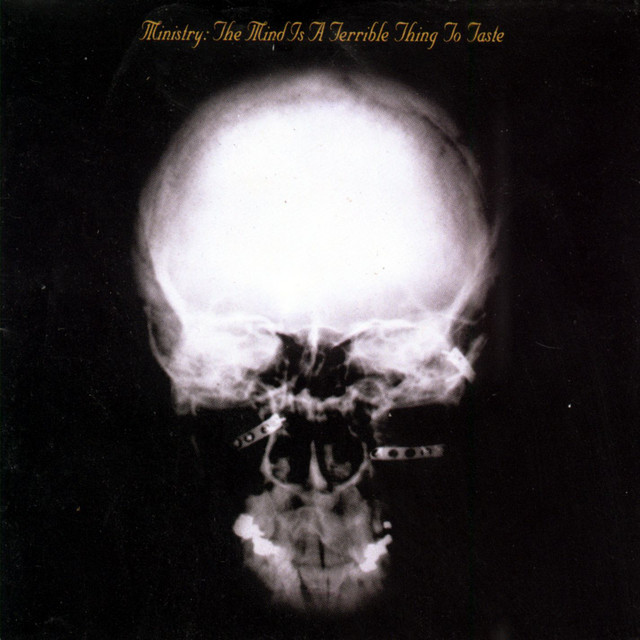
- The Mind Is a Terrible Thing to Taste
- Pretty Hate Machine
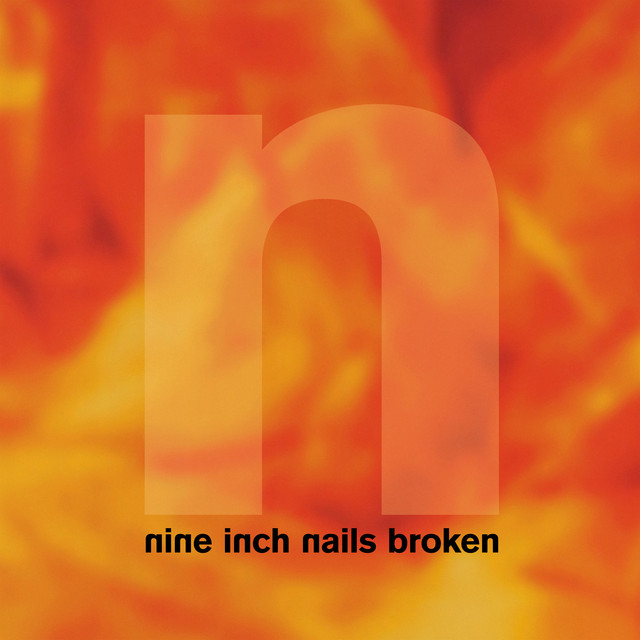
- Broken
- The Downward Spiral