UK Goth
How post-punk's darkest corners birthed a movement in abandoned factories and London crypts
- The One-Take Gothic Manifesto
- Tour Implosion, Career Transformation
- The Batcave Opens
In this issue
- 01Chapter 1The Scene2 min
- 02Chapter 2Key PlayersMembers
- 03Chapter 3Defining the SoundMembers
- 04Chapter 4StoriesMembers
- 05Chapter 5Legacy and InfluenceMembers
- 06The long readUse It, Then Kill ItMembers
- 07The castWho was thereMembers
- 08Family treeWho played with whomMembers
- 09In their own wordsHear them tell itMembers
- 10Essential recordsThe records that made itMembers
- 11The labelsWho put it on recordMembers
- 12The gearWhat made the soundMembers
- 13Chronology1971 to 1985Members
- 14StoriesThe stories behind itMembers
- 15PlacesWhere it happenedMembers
- 16ConnectionsWhere it ledMembers
- 17Go furtherRead and watch nextMembers
The Scene
Goth didn't start with Bauhaus. Before 1979, before 'Bela Lugosi's Dead,' the pieces were already lying around—Bowie's skeletal Thin White Duke, Alice Cooper's theatrical macabre, the Velvet Underground's drones. By 1976, Siouxsie Sioux and Steven Severin were prowling Roxy Music gigs in South London, bored with glam's fade, hungry for something sharper. That September at the 100 Club Punk Festival, Siouxsie improvised a twenty-minute Lord's Prayer with Sid Vicious on drums. She wasn't creating goth. She was channeling something older—German Expressionism meets Victorian mourning meets punk's scorched-earth attitude.
The word 'gothic' was already in circulation by 1978. Nick Kent used it in July that year to describe Siouxsie and the Banshees, noting parallels with the Doors and the Velvet Underground. When Factory Records boss Tony Wilson called Joy Division's music 'gothic' on television in September 1979, he was naming a quality that had been gestating for years—post-punk's tendency toward minor chords, reverb-drenched production, lyrics steeped in decay. The music emerged from Britain's post-industrial wreckage: Leeds tower blocks, Northampton shoe factories, London's crumbling Victorian architecture. These weren't just backdrops. The dereliction seeped into the sound itself.
Read the rest of this issue, and every other one.
The full essay, the cast (Bauhaus, Siouxsie and the Banshees, The Sisters of Mercy and more), the records, the chronology and the stories. About 16 minutes of reading, with the music a click away.
Start your 7-day free trialThen $5 a month. Cancel any time.10 albums, and the stories behind them
- 1
It pioneered gothic rock's atmospheric intensity and unconventional guitar/drum interplay before the genre even had a name.
- 2
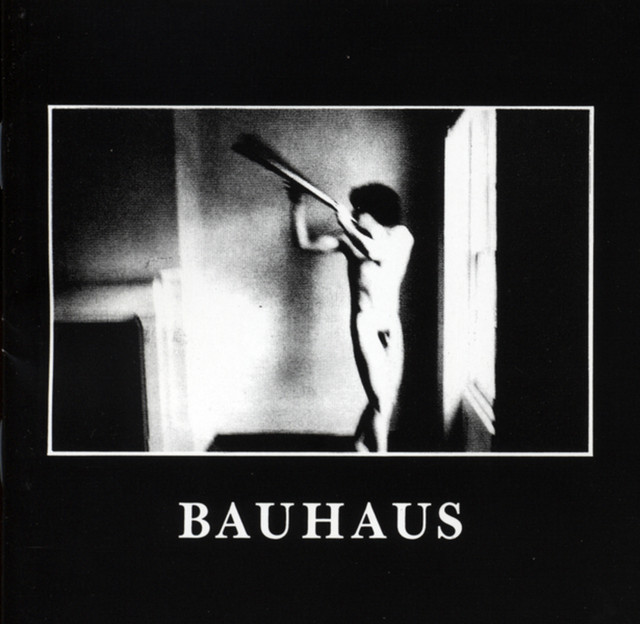
Often considered the first true gothic rock album, it captured the claustrophobic intensity that defined the genre.
- 3
It captured goth's commercial peak, with mechanized rhythms and cathedral reverb reaching their fullest expression.
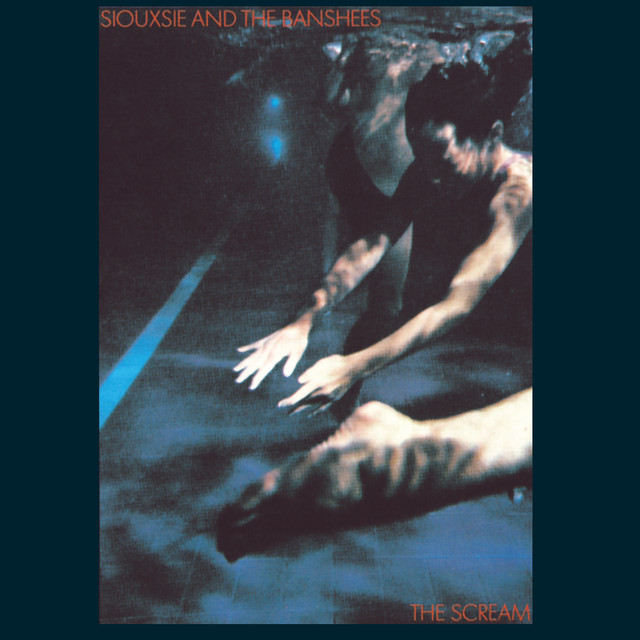
- The Scream
- In the Flat Field
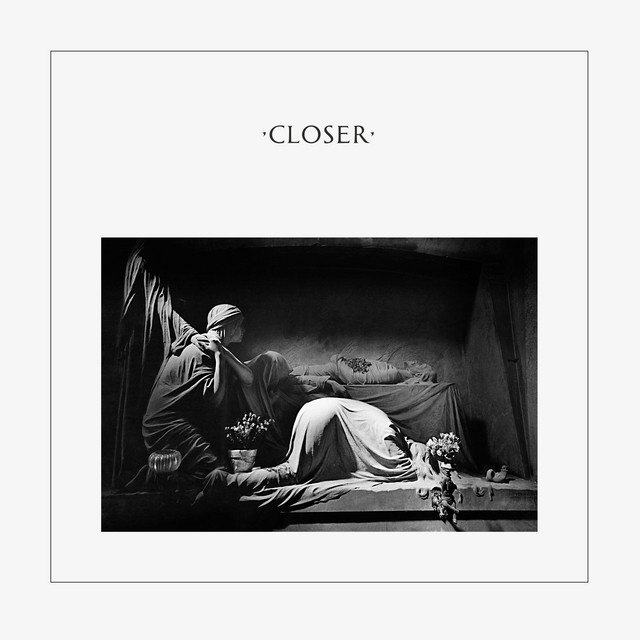
- Closer
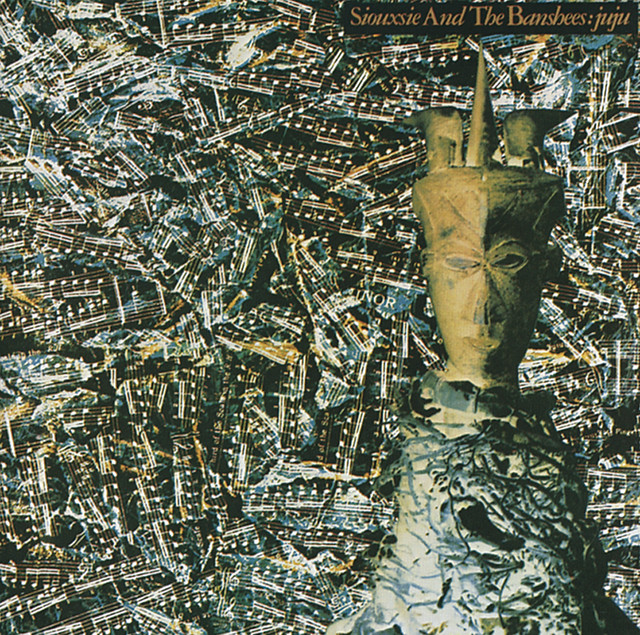
- Juju
- Pornography
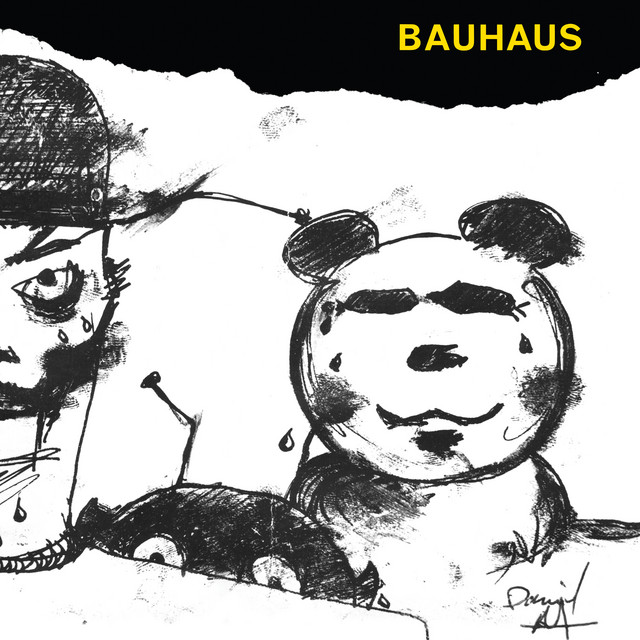
- Mask