90s UK Jungle and Drum & Bass
How breakbeat hardcore, sound system culture, and bedroom producers rewired Britain's dancefloors
- The Jungle Committee Boycott
- Kool FM's Invisible Network
- The 21-Minute Gamble
In this issue
- 01Chapter 1The Scene1 min
- 02Chapter 2Key PlayersMembers
- 03Chapter 3Defining the SoundMembers
- 04Chapter 4StoriesMembers
- 05Chapter 5Legacy and InfluenceMembers
- 06The castWho was thereMembers
- 07Family treeWho played with whomMembers
- 08In their own wordsHear them tell itMembers
- 09Essential recordsThe records that made itMembers
- 10The labelsWho put it on recordMembers
- 11The gearWhat made the soundMembers
- 12Chronology1988 to 1997Members
- 13StoriesThe stories behind itMembers
- 14PlacesWhere it happenedMembers
- 15ConnectionsWhere it ledMembers
- 16Go furtherRead and watch nextMembers
The Scene
The story begins before the name existed. 1988, 1989: acid house mutating in sweat-drenched warehouses into something faster, darker, fractured. Breakbeat hardcore emerged from the UK rave scene around 1990, techno's machine precision colliding with hip-hop's breakbeats and the booming sub-bass of Jamaican sound systems. Shut Up and Dance laid reggae samples over breakbeats as far back as 1990. The Prodigy's “Charly” and SL2's “On a Ragga Tip” pushed rave music toward 150 BPM and beyond. By 1991, producers like Lennie De Ice were making tracks such as “We Are I.E.”—often cited as the bridge between breakbeat hardcore and what would soon be called jungle, its ragga bassline and chopped breaks pointing toward a new template.
Between 1992 and 1993, the breakbeat hardcore scene split. Piano anthems and uplifting vocals splintered off into happy hardcore. A darker strain emerged, dubbed darkcore, built from industrial stabs and ominous samples. DJ Solo's “Darkage” and Origin Unknown's “Valley of the Shadows” defined this shift. The terms “jungle techno” and “hardcore jungle” began circulating to describe music that prioritized complex, syncopated breakbeats and deep, dub-influenced basslines over four-to-the-floor simplicity. Pirate radio stations—most notably Kool FM, regarded as the most instrumental in jungle's development—broadcast this new sound across London's council estates and tower blocks.
Read the rest of this issue, and every other one.
The full essay, the cast (Goldie, Roni Size, LTJ Bukem and more), the records, the chronology and the stories. About 10 minutes of reading, with the music a click away.
Start your 7-day free trialThen $5 a month. Cancel any time.7 albums, and the stories behind them
- 1
Rooted in dancehall but accelerated to jungle tempos, it marked the genre's 1994 commercial peak on pirate radio and dancefloors alike.
- 2
Its title track fused strings, breakbeats, and soul vocals into something unprecedented, forcing critics to reckon with jungle's artistic reach.
- 3
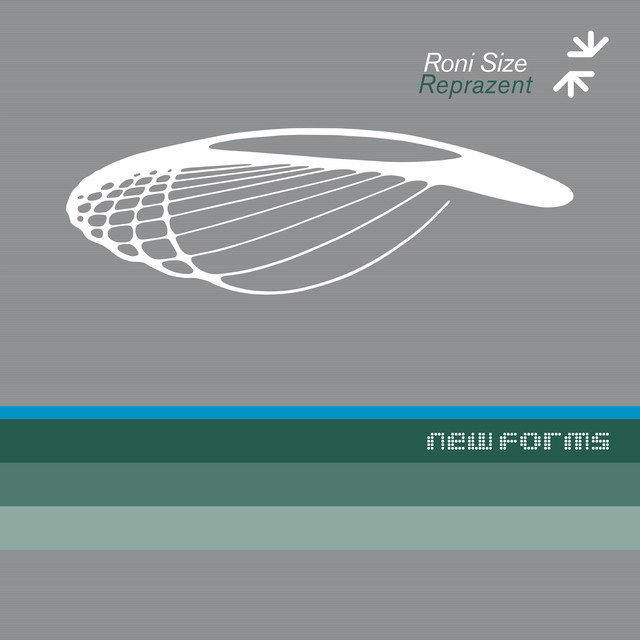
This Mercury Prize-winning, platinum album shows how jungle achieved rare mainstream acceptance while still appealing to dancefloor heads and festivals.

- Timeless
- New Forms
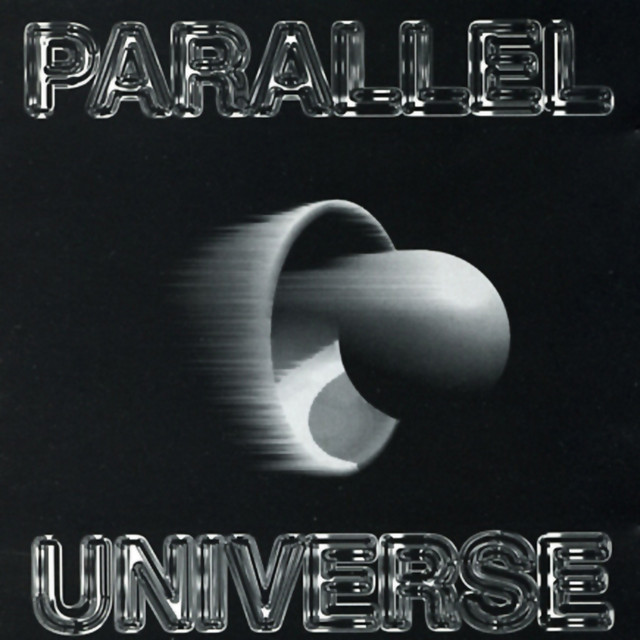
- Parallel Universe
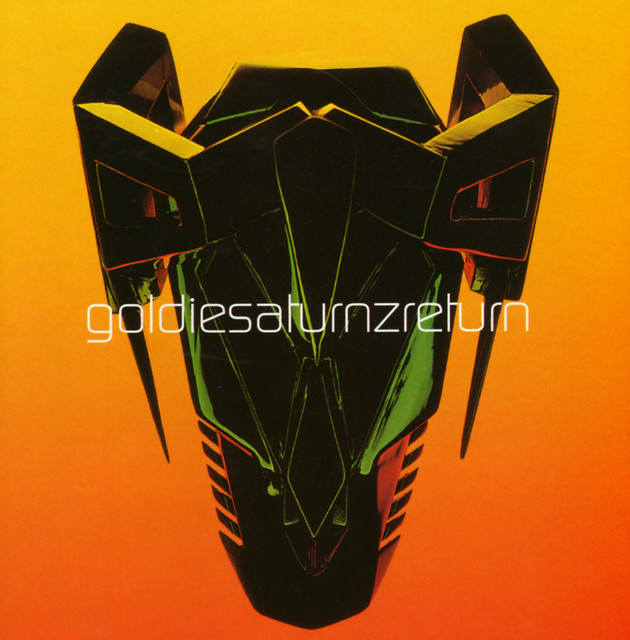
- Saturnz Return