New York City
New York City appears in 9 Songsheets issues: NYC No Wave, CBGB's 70s Punk, Afrobeat, Bloghouse and Indie Sleaze, Vaporwave, Riot Grrrl, Chicago House, New York Disco and London Indie, 2002-07. 31 artists in the archive came from here, including Teenage Jesus and the Jerks, DNA and Mars. Key places include CBGB, Max's Kansas City and Mercer Arts Center. The issues date 16 events here, from 1970 to 2006.
Where punk began and where riot grrrl found its media amplification. Le Tigre brought the movement to the city that never sleeps.
Scenes
Artists from New York City
- Teenage Jesus and the Jerks
Lydia Lunch founded Teenage Jesus and the Jerks at sixteen, and the band's songs were built to be over almost as soon as they started: brutally short, the guitar work abrasive enough to sound like strangulation.
- DNA
Arto Lindsay, Robin Crutchfield, and Ikue Mori pushed no wave's anti-melody stance about as far as it could go.
- Mars
Sumner Crane, China Burg, Mark Cunningham, and Nancy Arlen made up Mars, one of the four bands documented on No New York and among the most rhythmically unstable of the bunch.
- Suicide
Alan Vega and Martin Rev started playing together in 1970, two guys from New York working out how to strip rock and roll down to its bones.
- Glenn Branca
Glenn Branca started in experimental theater before turning to massed electric guitars, forming Theoretical Girls with Jeffrey Lohn and taking part in the Artists Space festival that crystallized the no wave scene.
- Sonic Youth
Thurston Moore and Kim Gordon formed Sonic Youth in mid-1981, then went looking for a second guitarist and found Lee Ranaldo playing in Glenn Branca's electric guitar ensemble.
- Lydia Lunch
Lydia Lunch founded Teenage Jesus and the Jerks at sixteen and arrived in New York already sounding like downtown's most uncompromising voice, playing guitar as if she were strangling it rather than tuning it.
- Swans
Michael Gira formed Swans in the shadow of the no wave scene, sharing rehearsal space and touring bills with early Sonic Youth.
- Rhys Chatham
Rhys Chatham studied with La Monte Young before turning his attention to electric guitar ensembles, working out of The Kitchen in downtown Manhattan.
- Television
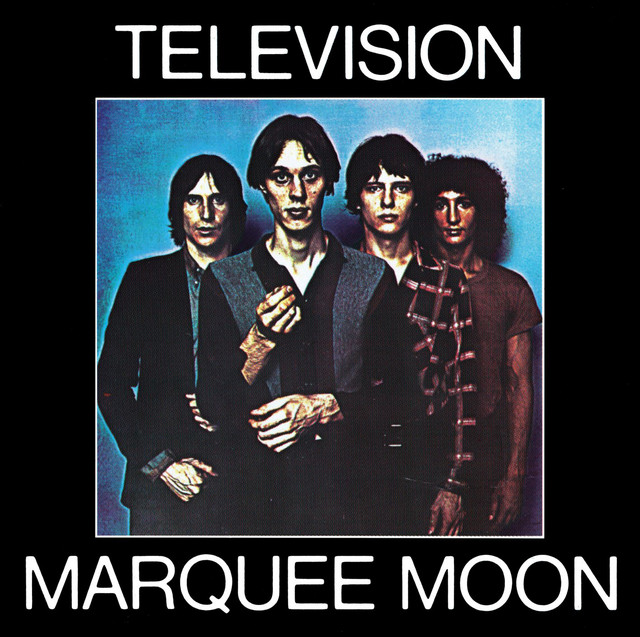
Formed in 1973, Television gave CBGB its first stage—Tom Verlaine and Richard Lloyd nailed it together from scrap wood in early 1974—and then used it to argue that punk could be technically ambitious.
- Kokolo Afrobeat Orchestra
Ray Lugo formed Kokolo Afrobeat Orchestra in New York in 2001, recording for Daptone Records alongside labelmates who were busy resurrecting soul and funk from first principles.
- Saint Pepsi (Skylar Spence)
Saint Pepsi helped popularize future funk's ecstatic, disco-soaked approach to sampling 1980s and 1990s Japanese city pop, working the same French-house-leaning territory as Macross 82-99 and Yung Bae.
- Talking Heads
Three RISD art students arrived at CBGB in 1975 carrying a cerebral, nervous kind of funk nobody else on the bill was playing.
- Patti Smith
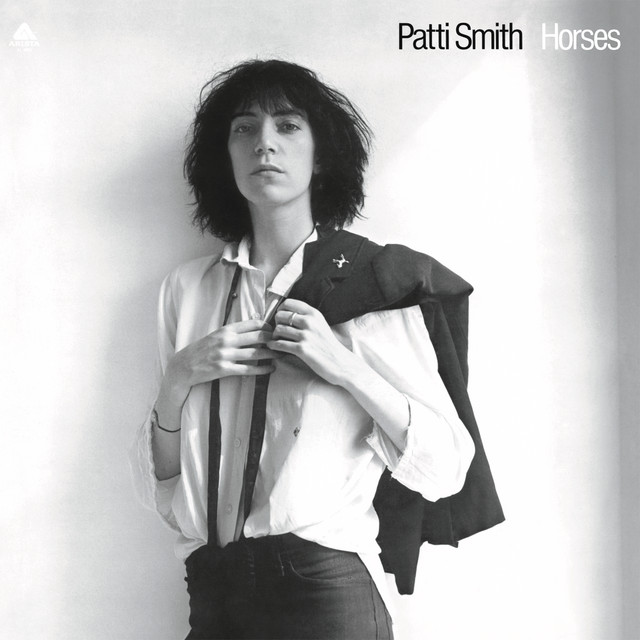
A poet who turned herself into a rock performer, Patti Smith made her CBGB debut on Valentine's Day, 1975, and proved in one night that punk could be literate, spiritual, and confrontational all at once.
- Blondie
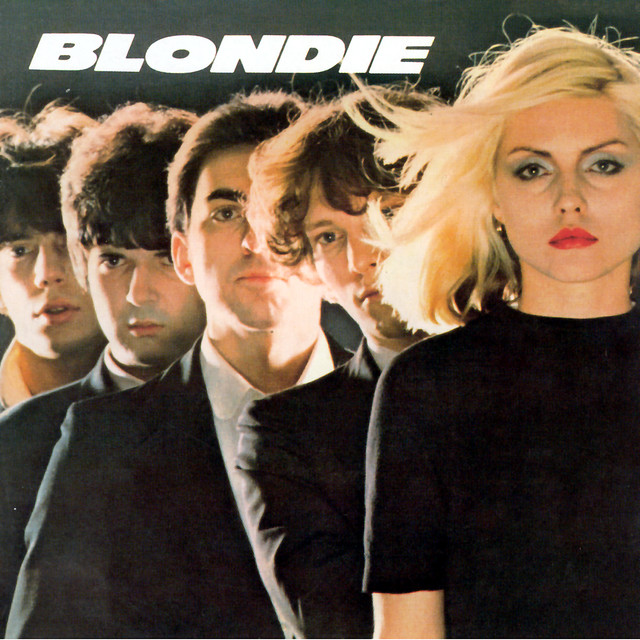
Debbie Harry and Chris Stein built Blondie out of the wreckage of the Stilettoes, a girl-group revival act that hadn't quite worked.
- Richard Hell and the Voidoids
After walking out of Television, Richard Hell built punk's visual language from scratch: spiked hair, torn clothing held together with safety pins, and a song, "Blank Generation," that became the era's nihilist anthem.
- Le Tigre
Le Tigre began in New York after Bikini Kill dissolved, Kathleen Hanna's turn toward electronic feminist punk.
- The Contortions
James Chance built the Contortions around a contradiction: musicians skilled enough to lock into a real funk groove, then deliberately destabilizing it with abrasive saxophone and jagged rhythmic left turns.
- The Velvet Underground
The Velvet Underground fused Lou Reed's noise-damaged songwriting with John Cale's minimalist drone and Andy Warhol's Factory sensibility, and by the mid-seventies their legacy hung over downtown Manhattan like a dare.
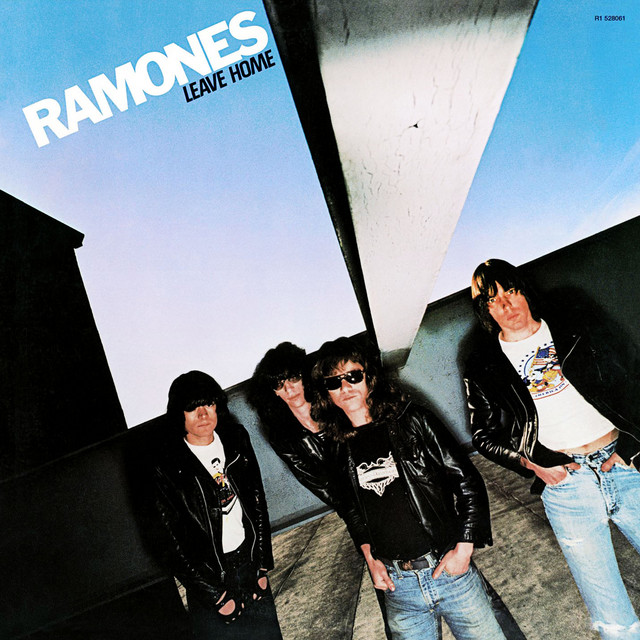
- Ramones
Forest Hills, Queens, 1974.
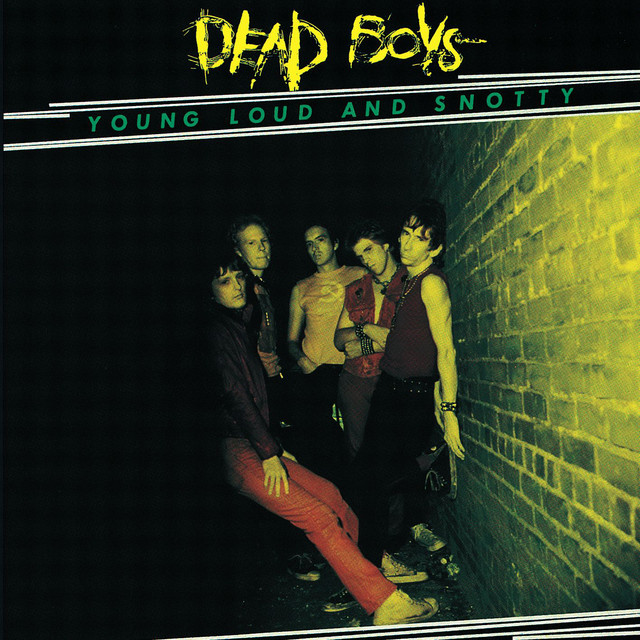
- Dead Boys
Cleveland transplants who followed the Ramones east after meeting them in Youngstown, the Dead Boys turned CBGB into their New York home base.
- The Strokes
New York post-punk revival band whose early-2000s look became the template for indie sleaze fashion: vintage tees, leather jackets, a dishevelment that looked studied rather than accidental, channeling the Velvet Underground and early Television.
- Frankie Knuckles
Frankie Knuckles started spinning at the Continental Baths in July 1972, sixteen years old and learning the trade in the same booth as Larry Levan.
- David Mancuso
David Mancuso didn't come out of the club business.
- Nile Rodgers
Nile Rodgers co-founded Chic with Bernard Edwards in 1977, bringing with him a rhythm-guitar approach, tight and muted, that players call "chucking," a percussive technique that became one of disco's most recognizable textures.
- Chic
Chic came together in New York in 1977 when Nile Rodgers and Bernard Edwards decided to build a sound out of restraint rather than excess, a deliberate contrast to the lusher, more orchestrated disco productions filling the charts around them.
- Bernard Edwards
Bernard Edwards co-founded Chic with Nile Rodgers in 1977, and it was his basslines, more than any other single element, that gave the band its backbone.
- Steve Rubell
Steve Rubell co-owned Studio 54 with Ian Schrager, opening the former CBS television studio at 254 West 54th Street on April 26, 1977.
- Michael Brody
Michael Brody ran Paradise Garage as sole proprietor from 1977, housing it inside a converted parking garage on King Street with a car ramp for an entrance.
- Francis Grasso
Francis Grasso DJed at the Sanctuary in the early 1970s, a venue taken over by entrepreneurs Seymour and Shelley, who made it the first New York nightclub to openly welcome gay dancers.
- Nicky Siano
Nicky Siano owned and DJed at the Gallery, where he developed a three-turntable technique that let him layer and blend sound in ways most booths couldn't match.
Places
- 1CBGB1973-2006 · CBGB's 70s Punk
315 Bowery. The former nineteenth-century saloon where Hilly Kristal inadvertently created the epicenter of American punk by letting unknown bands play whatever they wanted for $1 admission.
- 2Max's Kansas City1965-1981 · CBGB's 70s Punk
Park Avenue South nightclub and former Warhol hangout that became CBGB's uptown rival, hosting punk matinees and attracting bands once they'd outgrown the Bowery.
- Mercer Arts Center1971-1973 · CBGB's 70s Punk
Broadway complex housing the Oscar Wilde Room and other performance spaces where the New York Dolls built their following; its August 1973 collapse displaced bands who would soon find CBGB.
- 3Electric Lady Studios1970-present · CBGB's 70s Punk
Jimi Hendrix's West 8th Street studio where Patti Smith recorded *Horses* and Television recorded *Marquee Moon*, lending professional sheen to CBGB's raw energy.
- 4Performing Garage1968-1980 · CBGB's 70s Punk
Wooster Street SoHo space run by Richard Foreman where Patti Smith performed poetry with Lenny Kaye before forming the Patti Smith Group.
- 5St. Mark's Church in-the-Bowery1966-present · CBGB's 70s Punk
East Village church hosting the Poetry Project where Patti Smith, Jim Carroll, and other poet-musicians bridged the literary and punk scenes.
- Radio Records1975-1988 · CBGB's 70s Punk
Independent record shop at 35 Carmine Street specializing in punk and new wave imports, serving as distribution hub for CBGB bands' self-released singles.
- 6Artists Space1972-present · NYC No Wave
The downtown art gallery hosted the legendary five-night no wave festival in June 1978, where Brian Eno discovered the scene and decided to document it with the No New York compilation.
- 7CBGB1973-2006 · NYC No Wave
Though primarily associated with punk rock, CBGB provided an early venue for no wave bands like Teenage Jesus and the Contortions, even as they rejected punk's commercial trajectory.
- 8Max's Kansas City1965-1981 · NYC No Wave
The legendary Warhol-era club on Park Avenue South became an important venue for no wave performances in its final years, hosting Suicide and other scene pioneers.
- The Kitchen1971-present · NYC No Wave
This experimental performance space in SoHo bridged downtown's avant-garde tradition and no wave's emergence, hosting Rhys Chatham and Glenn Branca's guitar orchestra pieces.
- 9Tier 31978-1980 · NYC No Wave
This Tribeca club became a crucial venue for no wave bands in 1978-1980, providing a grimy, intimate space that matched the scene's confrontational aesthetic.
- 10ABC No Rio1980-present · NYC No Wave
Opened in 1980 on the Lower East Side, this collectively-run gallery and performance space became an ongoing home for no wave art, music, and aesthetic long after the initial scene dispersed.
- 11Hurrah1978-1980 · NYC No Wave
This short-lived Midtown disco-turned-rock club hosted important no wave performances during its 1978-1980 run, capturing the scene's transition toward dance music.
- 99 Records1980-1984 · NYC No Wave
Ed Bahlman's tiny West Village record shop and label documented the downtown scene, releasing early records by Glenn Branca, ESG, and Liquid Liquid that captured no wave's evolution.
What happened here
- 1970Suicide Forms
Alan Vega and Martin Rev form Suicide, creating the proto-no wave template of primitive electronics and confrontational performance that would influence the entire scene.
NYC No Wave - 1973CBGB Opens
Hilly Kristal opens CBGB at 315 Bowery on December 10, originally envisioning a venue for country, bluegrass, and blues music.
CBGB's 70s Punk - 1976Teenage Jesus Forms
Lydia Lunch, age sixteen, moves to New York and forms Teenage Jesus and the Jerks, bringing confrontational noise and brutally short songs to downtown.
NYC No Wave - 1977Marquee Moon Released
Television's *Marquee Moon* demonstrates that punk can be technically sophisticated and artistically ambitious, influencing post-punk and art-rock.
CBGB's 70s Punk - 1977Bootleg tapes circulate beyond New York
Cassettes recorded from DJ soundboards begin spreading hip-hop beyond the Bronx as the scene gains momentum through word of mouth and underground distribution.
Early New York Hip-Hop - 1978Talking Heads and Brian Eno Collaborate
*More Songs About Buildings and Food*, the first Talking Heads-Eno collaboration, begins expanding new wave's sonic possibilities.
CBGB's 70s Punk - 1978Artists Space Festival
Five-night no wave festival at Artists Space organized by Michael Zwack and Robert Longo features DNA, the Contortions, Mars, and Teenage Jesus, with Brian Eno in attendance.
NYC No Wave - 1978No New York Released
Brian Eno's compilation documents four bands from Artists Space festival, becoming the definitive no wave artifact despite later complaints from participating musicians.
NYC No Wave - 1978ZE Records Founded
The no wave-affiliated label ZE Records launches, eventually releasing the crucial Mutant Disco compilation that documents the scene's evolution toward dance music.
NYC No Wave - 1979First commercial rap recordings
Fatback Band releases 'King Tim III (Personality Jock)' in March, followed by The Sugarhill Gang's 'Rapper's Delight' in September, bringing hip-hop to radio and mainstream consciousness.
Early New York Hip-Hop - 1980Hardcore Takes Root
A new generation of faster, more aggressive bands—Agnostic Front, Bad Brains—begin playing CBGB, launching New York hardcore.
CBGB's 70s Punk - 1980ABC No Rio Opens
ABC No Rio Gallery opens on the Lower East Side, providing an ongoing home for no wave aesthetics and visual art through the decade.
NYC No Wave - 1981'The Adventures of Grandmaster Flash on the Wheels of Steel' released
Flash's seven-minute solo showcase becomes the first documented appearance of scratching on a commercially released record.
Early New York Hip-Hop - 1981Sonic Youth Forms
Thurston Moore, Kim Gordon, and Lee Ranaldo form Sonic Youth after meeting through Glenn Branca's ensemble, beginning to systematize no wave's experimental approach.
NYC No Wave - 1986Hip-hop achieves mainstream dominance
Run-DMC's 'Raising Hell' becomes the first hip-hop album certified platinum, and Beastie Boys' 'Licensed to Ill' becomes the first rap album to hit number one.
Early New York Hip-Hop - 2006CBGB Closes
Patti Smith plays CBGB's final show on October 15, closing with "Elegie" and a eulogy for the scene's fallen heroes.
CBGB's 70s Punk
Records made by artists from New York City
- HorsesPatti Smith · 1975
- RamonesRamones · 1976
- BlondieBlondie · 1976
- Marquee MoonTelevision · 1977
- Talking Heads: 77Talking Heads · 1977
- Rocket to RussiaRamones · 1977
- Leave HomeRamones · 1977
- Blank GenerationRichard Hell and the Voidoids · 1977
- Young, Loud and SnottyDead Boys · 1977
- ChicChic · 1977
- SuicideSuicide · 1977
- C'est ChicChic · 1978
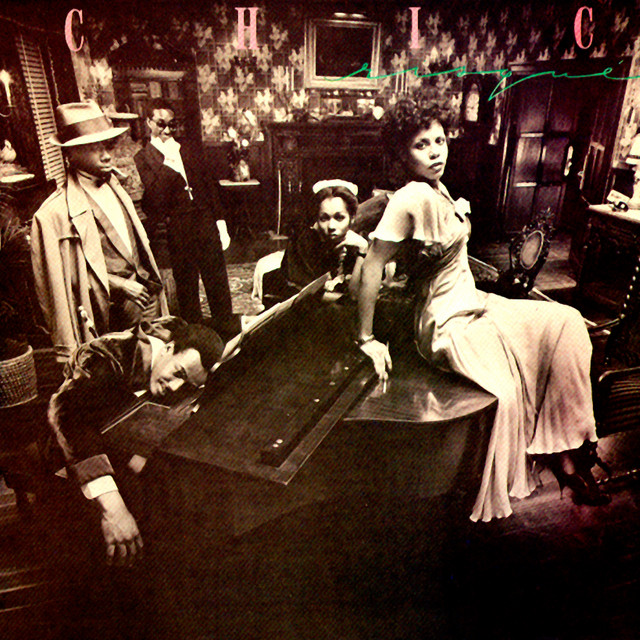
- RisquéChic · 1979
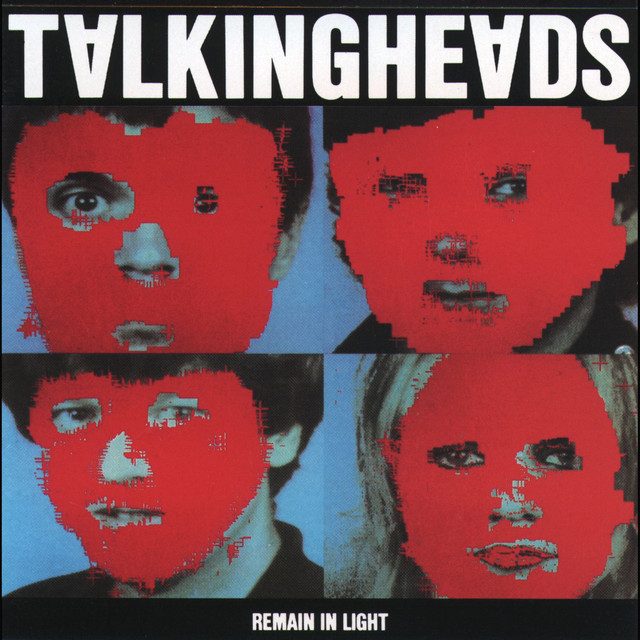
- Remain in LightTalking Heads · 1980
- Queen of SiamLydia Lunch · 1980
- The AscensionGlenn Branca · 1981
- Confusion Is SexSonic Youth · 1983
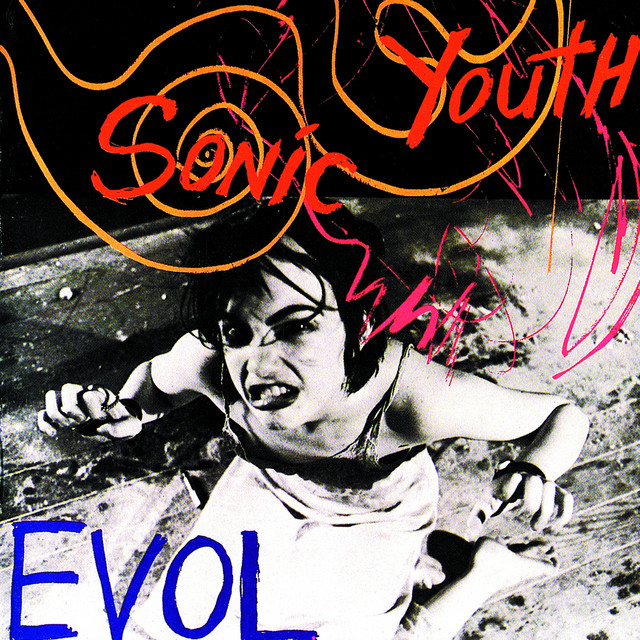
- EVOLSonic Youth · 1986
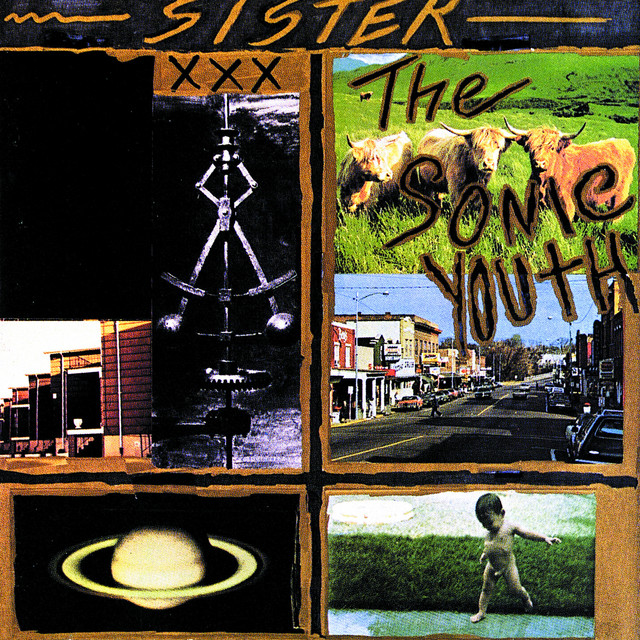
- SisterSonic Youth · 1987
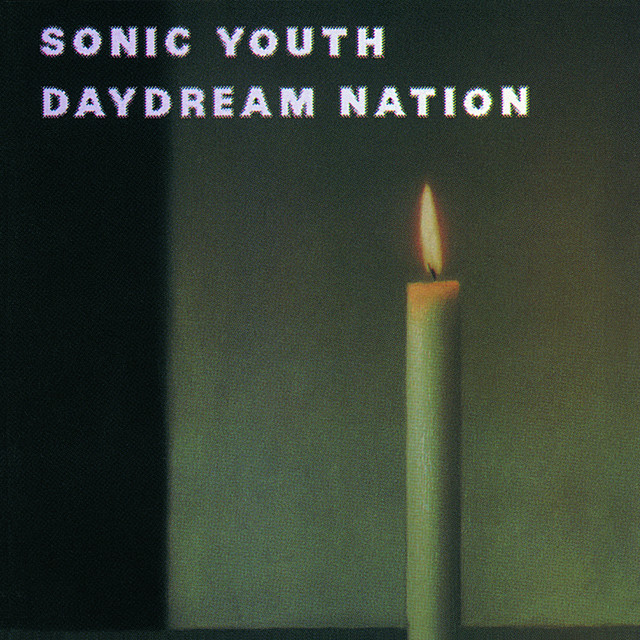
- Daydream NationSonic Youth · 1988
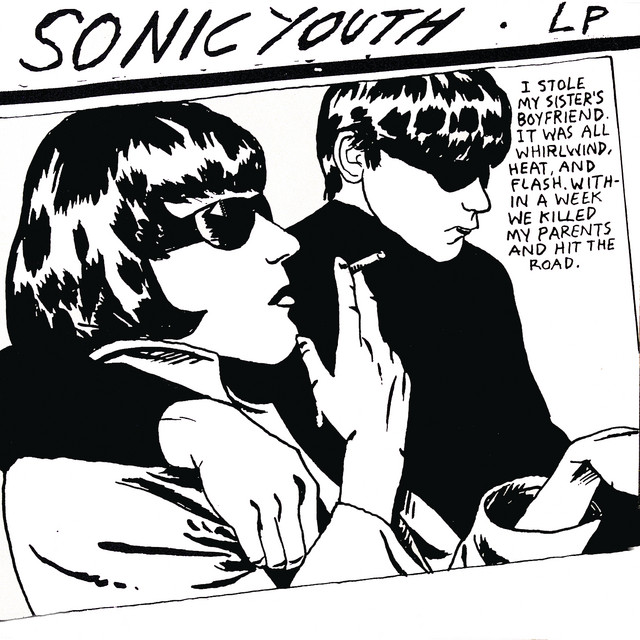
- GooSonic Youth · 1990
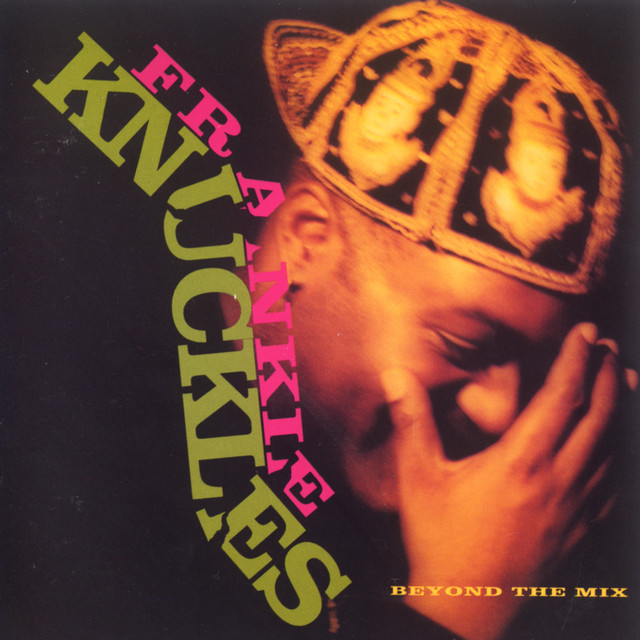
- Beyond the MixFrankie Knuckles · 1991
- Le TigreLe Tigre · 1999








Connections
No wave's confrontational approach influenced UK post-punk bands; Lydia Lunch and Glenn Branca toured the UK extensively.