Early New York Hip-Hop
How DJs in the Bronx transformed breakbeats into a global culture
- The Birth of the Slipmat
- The Clash and the Boos
- Nile Rodgers Gets Sued
In this issue
- 01Chapter 1The Scene4 min
- 02Chapter 2Key PlayersMembers
- 03Chapter 3Defining the SoundMembers
- 04Chapter 4StoriesMembers
- 05Chapter 5Legacy and InfluenceMembers
- 06The long readThe Rhyme BookMembers
- 07The castWho was thereMembers
- 08Family treeWho played with whomMembers
- 09In their own wordsHear them tell itMembers
- 10Essential recordsThe records that made itMembers
- 11The labelsWho put it on recordMembers
- 12The gearWhat made the soundMembers
- 13Chronology1967 to 1986Members
- 14StoriesThe stories behind itMembers
- 15PlacesWhere it happenedMembers
- 16ConnectionsWhere it ledMembers
- 17Go furtherRead and watch nextMembers
The Scene
Before hip-hop had a name, there were sound systems. Clive Campbell—DJ Kool Herc—left Kingston at twelve, arriving in the Bronx in 1967 carrying memories of Jamaican dancehall culture. He remembered watching guys hauling speaker boxes to outdoor parties, the bass so heavy it moved through your chest before you heard it. His mother was a nurse. His father fixed forklifts at Clark's Equipment Company in Queens and collected records obsessively: Caribbean rhythms, African American funk, soul. Young Clive would sneak into his father's closet to stare at the vinyl, touch the grooves, get caught, get punished, go right back.
The Cross Bronx Expressway had carved the borough in half by then, accelerating white flight and concentrating African American, Latin American, and Caribbean communities in the southern sections. Robert Moses's highway destroyed neighborhoods, displacing sixty thousand residents. What remained was a massive, multi-ethnic, working-class neighborhood where young people were creating something new from the wreckage. Herc's sister Cindy needed money for back-to-school clothes. On August 11, 1973, they threw a party in the rec room at 1520 Sedgwick Avenue. She hand-wrote invitations on index cards: twenty-five cents for girls, fifty cents for boys. Olde English 800 or Colt 45 for a buck.
Read the rest of this issue, and every other one.
The full essay, the cast (DJ Kool Herc, Grandmaster Flash, Afrika Bambaataa and more), the records, the chronology and the stories. About 17 minutes of reading, with the music a click away.
Start your 7-day free trialThen $5 a month. Cancel any time.9 albums, and the stories behind them
- 1
The first commercially successful rap single, it carried hip-hop out of the Bronx and onto Top 40 radio for the first time.
- 2
It was the first record to put scratching on wax, proving a DJ could perform with an instrumentalist's precision.
- 3
It became the first hip-hop single to draw widespread critical acclaim for its social commentary and grim narrative realism.
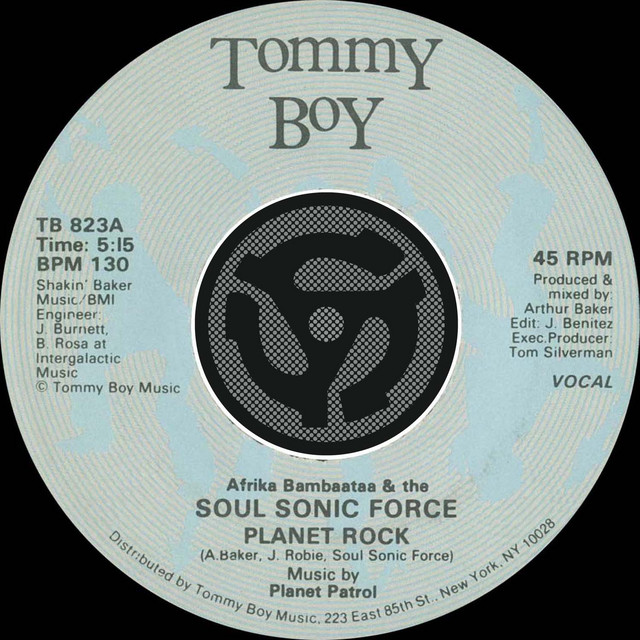
- Planet Rock
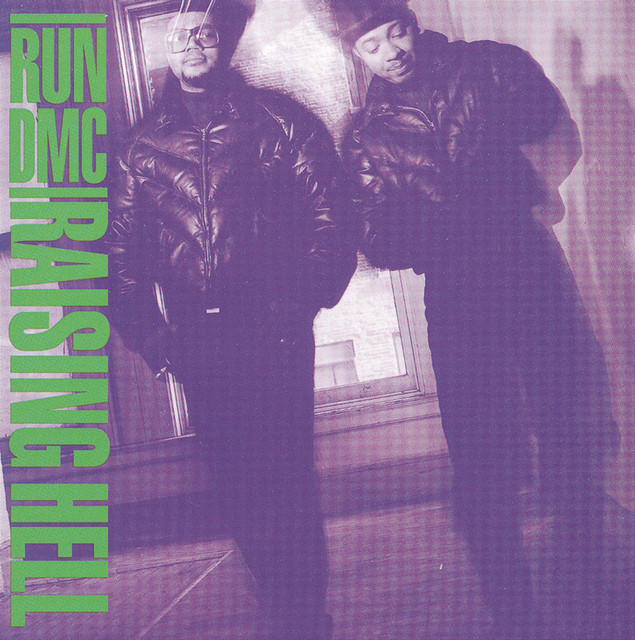
- Raising Hell
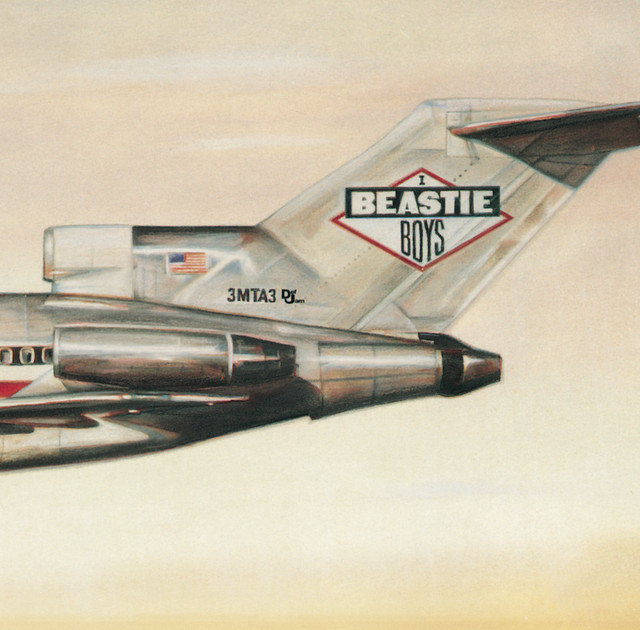
- Licensed to Ill
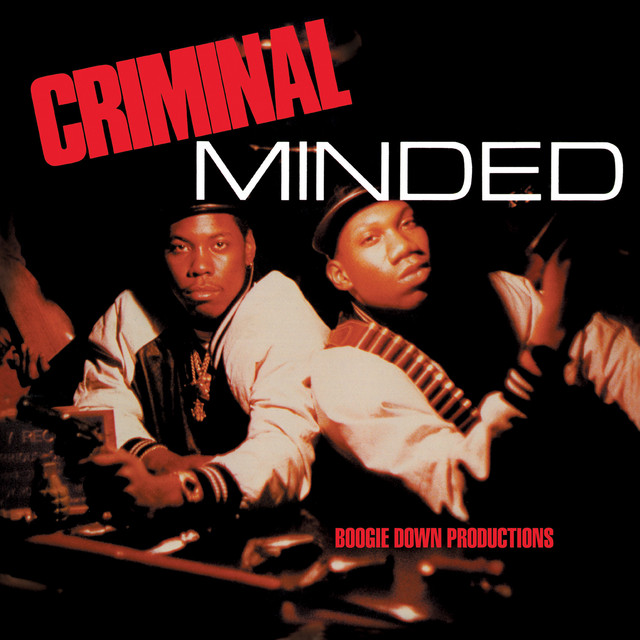
- Criminal Minded
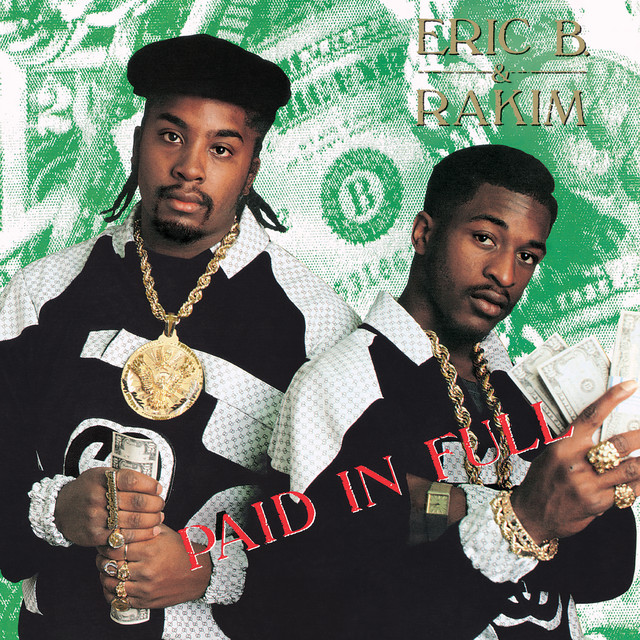
- Paid in Full
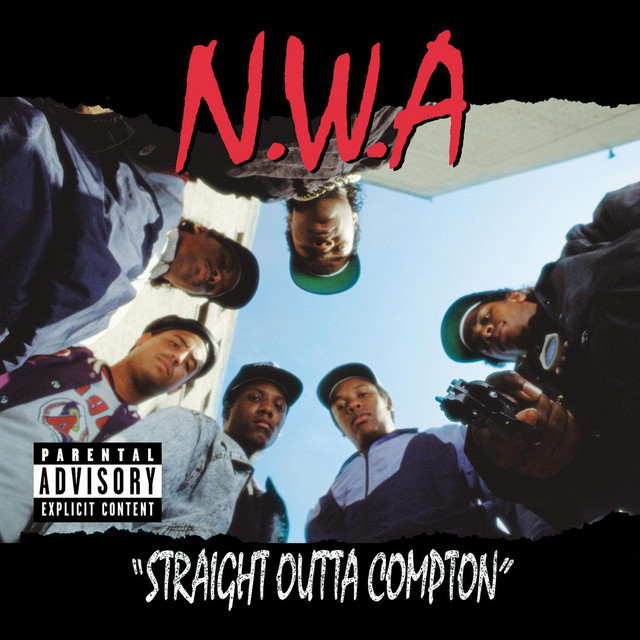
- Straight Outta Compton