New York Disco
How a handful of DJs playing to gay, Black, and Latino dancers in basement clubs built the machinery of modern nightlife.
- The Blizzard That Nearly Sank Paradise Garage
- How Getting Rejected at Studio 54 Wrote a Number One Single
- A Dictatorship on the Door, a Democracy on the Floor
In this issue
- 01Chapter 1The Scene1 min
- 02Chapter 2Key PlayersMembers
- 03Chapter 3Defining the SoundMembers
- 04Chapter 4StoriesMembers
- 05Chapter 5Legacy and InfluenceMembers
- 06The castWho was thereMembers
- 07Family treeWho played with whomMembers
- 08In their own wordsHear them tell itMembers
- 09Essential recordsThe records that made itMembers
- 10The labelsWho put it on recordMembers
- 11The gearWhat made the soundMembers
- 12Chronology1960 to 1980Members
- 13StoriesThe stories behind itMembers
- 14PlacesWhere it happenedMembers
- 15ConnectionsWhere it ledMembers
- 16Go furtherRead and watch nextMembers
The Scene
The real origin point isn't Studio 54 in 1977. It's a rent party at 647 Broadway on Valentine's Day, 1970, where David Mancuso invited friends into his loft, served punch and fruit instead of liquor, and played records on a sound system built for listening rather than mere volume. He called the party Love Saves the Day, whose initials spelled LSD, but it came to be known simply as the Loft. There was no dance floor lighting rig, no velvet rope, no press. Just Mancuso's turntables, his tweeter arrays hung above the crowd, and subwoofers on the ground to push the bass through dancers' bodies. Admission was by invitation only, and the crowd was deliberately mixed and polysexual, gay and straight, Black, Latino, and white, at a moment when most public gathering places for those groups rarely overlapped.
Around the same time, two operators known as Seymour and Shelley took over a failing discotheque called the Sanctuary, a former church on West 43rd Street, and turned it into the first public club to welcome a gay male dancing crowd. Its DJ, Francis Grasso, is credited with pioneering beatmatching and slip-cueing, blending records together on twin turntables so the rhythm never broke. Mancuso and Grasso, selecting records for the energy of crowds that crossed race and sexuality alike, established the social and sonic template everyone after them copied. This was the proto-scene: private lofts and repurposed churches, sound systems built like instruments, a DJ treated as a musician rather than a jukebox attendant. The word “disco” existed already, borrowed from the French discothèque, but the sound didn't yet.
Read the rest of this issue, and every other one.
The full essay, the cast (David Mancuso, Larry Levan, Nile Rodgers and more), the records, the chronology and the stories. About 19 minutes of reading, with the music a click away.
Start your 7-day free trialThen $5 a month. Cancel any time.7 albums, and the stories behind them
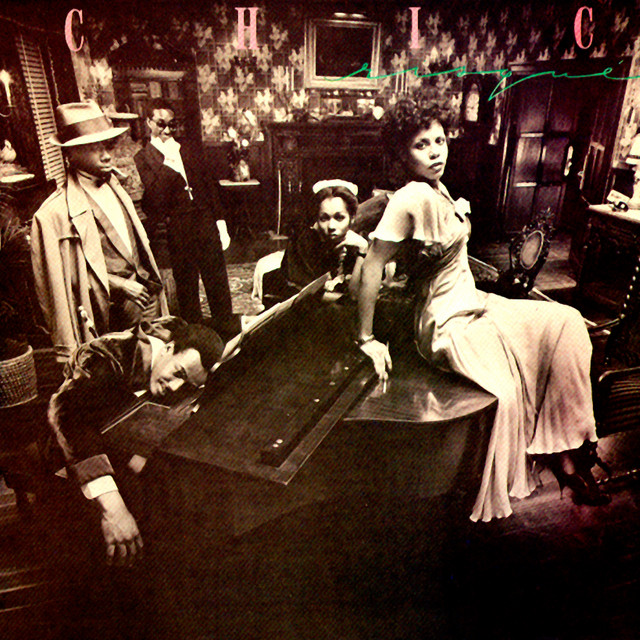
- 1C'est Chic
"Le Freak" is here: written after Rodgers and Edwards were turned away from Studio 54's door, and the biggest single Chic ever made.
- 2I Feel Love (single)
Giorgio Moroder's Moog pulse under Donna Summer's voice, the sound that pointed disco toward post-disco and house.
- 3Live at the Paradise Garage
A 1979 set from Larry Levan's booth, one of the few surviving records of what the Garage actually sounded like.

- Chic
- C'est Chic
- Risqué
- We Are Family
- Diana