Chicago House
How DJs armed with drum machines and disco edits invented a new music in the ruins of post-industrial Chicago
- Era
- 1977-1989
- Region
- Chicago, Illinois, USA
- Key Artists
- 6
- Albums
- 9
The Scene
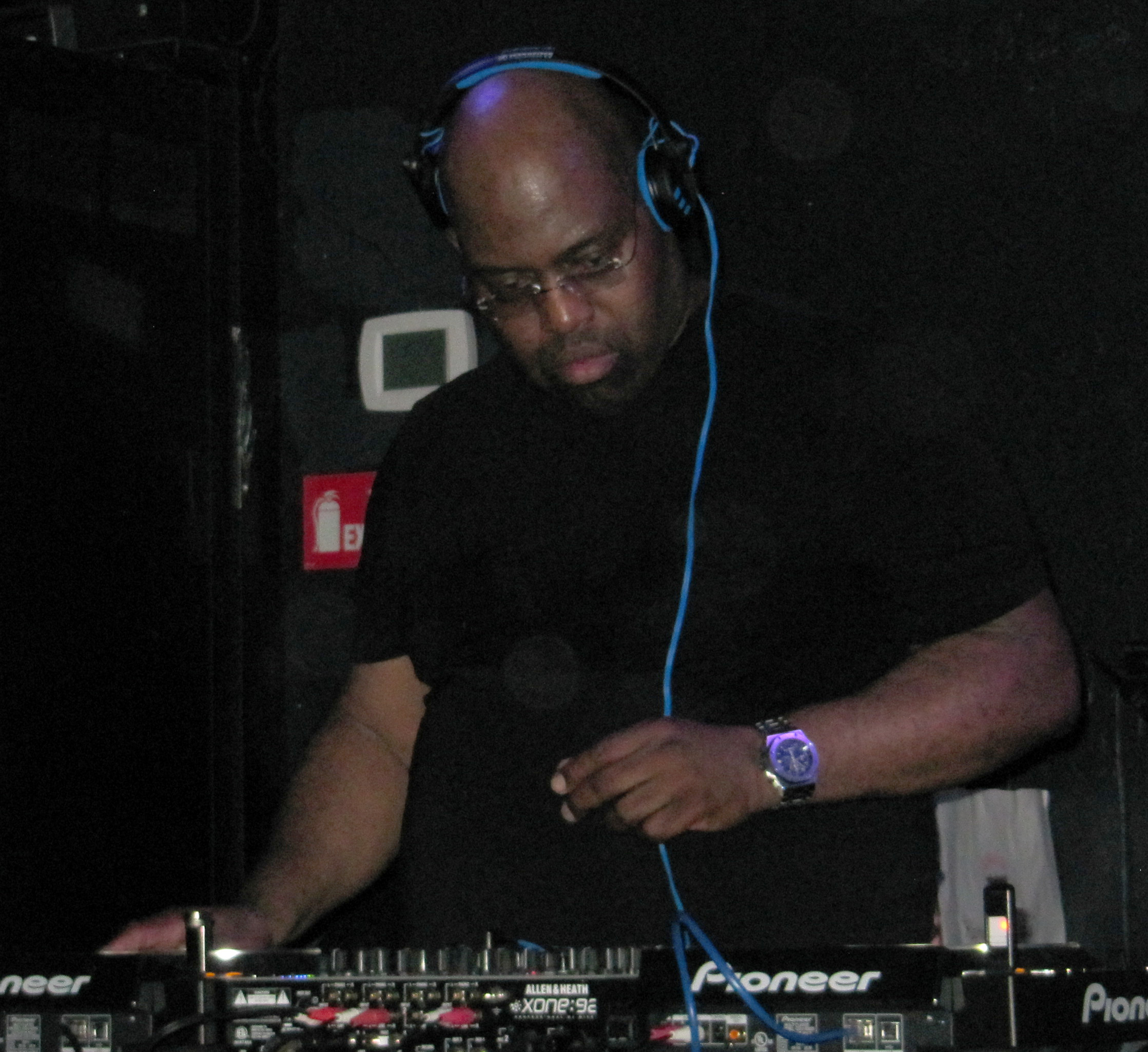
The Warehouse opened in 1977 on Jefferson Street, west side Chicago, in an industrial zone where the manufacturing jobs had already started bleeding out. Robert Williams brought Frankie Knuckles from New York to DJ there—Knuckles had turned down the same offer a year earlier, but came back when his friend Larry Levan passed on it. The club was a juice bar, not licensed for alcohol. It ran Saturday nights into Sunday mornings, drawing crowds that peaked around 2,000 people: Black, Latino, mostly gay, mostly young. Chicago was a growing city but its nightlife attitude was small-town. The North Side bars catered to a predominantly white gay audience and operated restricted door policies—1% Black, if you were lucky, as Knuckles recalled in 2011. There was only one Black gay bar at a commercial level: Our Den/Den One, where Ron Hardy was the resident DJ. The Warehouse created a space that didn't exist elsewhere in Chicago.
Key Artists
Essential Albums
7-day free trial, then $5/month. Cancel anytime.