Afrobeat
How Fela Kuti and Tony Allen forged a revolutionary sound in 1970s Lagos that weaponized rhythm against military dictatorship
- The Calcutta Cell
- The switched feces
- Carrying the coffin to the barracks
In this issue
- 01Chapter 1The Scene2 min
- 02Chapter 2Key PlayersMembers
- 03Chapter 3Defining the SoundMembers
- 04Chapter 4StoriesMembers
- 05Chapter 5Legacy and InfluenceMembers
- 06The castWho was thereMembers
- 07In their own wordsHear them tell itMembers
- 08Essential recordsThe records that made itMembers
- 09The labelsWho put it on recordMembers
- 10Chronology1958 to 2020Members
- 11StoriesThe stories behind itMembers
- 12PlacesWhere it happenedMembers
- 13ConnectionsWhere it ledMembers
- 14Go furtherRead and watch nextMembers
The Scene
London, 1958. Fela Kuti stepped off the plane with a trumpet case and colonial baggage he didn't yet know how to name. Trinity College of Music enrolled him to study composition, but the real education happened in Soho basements where cigarette smoke hung thick and hard bop hit like a fist. He formed Koola Lobitos—a highlife-jazz hybrid that tried to split the difference between the colonizer's music and something his own. It satisfied no one. The band was competent. Directionless. Caught between Lagos and New York, unable to claim either.
Ten years later, Fela toured America with Koola Lobitos for ten months. Los Angeles, 1969. He met Sandra Izsadore at a gig—a singer, former Black Panther, someone who talked about Malcolm X and Angela Davis like they were prophets. She lived in the center of the Black Power movement and invited Fela to stay. Sandra was astonished at how little he knew of his own African culture; at the time Fela didn't believe there was any, as he later admitted in interviews. For weeks he sat in her house absorbing books he'd never read, ideas he'd never considered: that being African wasn't something to apologize for or paper over with European manners. “I realized I was not playing African music,” Fela said later. When he returned to Lagos in 1970, he renamed his band Africa '70, opened a club called the Afro-Spot (soon renamed the Afrika Shrine) in the Empire Hotel on Agege Motor Road, and began calling his music Afrobeat to distinguish it from everything that had come before.
Read the rest of this issue, and every other one.
The full essay, the cast (Fela Kuti, Tony Allen, Sandra Izsadore and more), the records, the chronology and the stories. About 15 minutes of reading, with the music a click away.
Start your 7-day free trialThen $5 a month. Cancel any time.9 albums, and the stories behind them
- 1Gentleman
This introduces Fela's core stance against colonial conditioning, the ideological foundation the whole scene is built on.
- 2Zombie
Afrobeat's biggest hit and its most direct political confrontation, showing the real-world stakes of Fela's music.
- 3Black President
Shows where Fela's story led after Zombie's fallout, with a new band and a bolder claim to leadership.
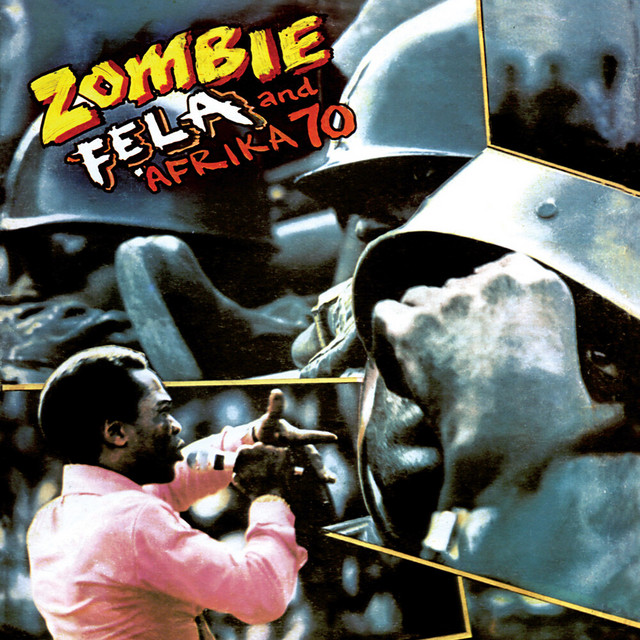
- Zombie
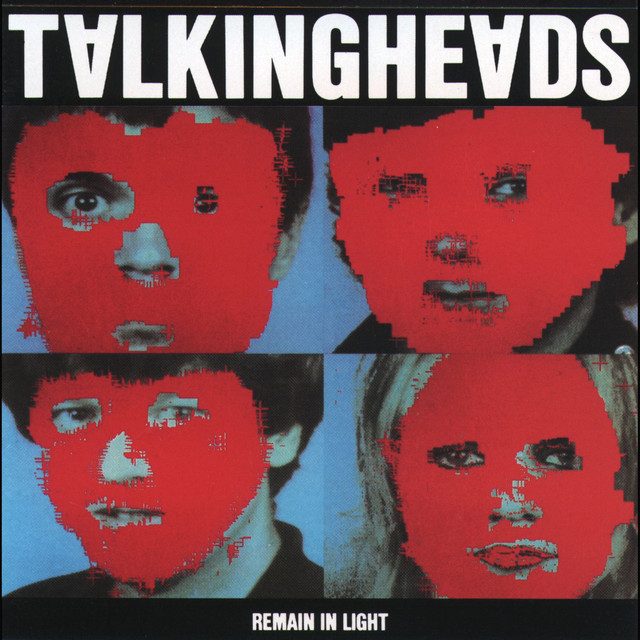
- Remain in Light
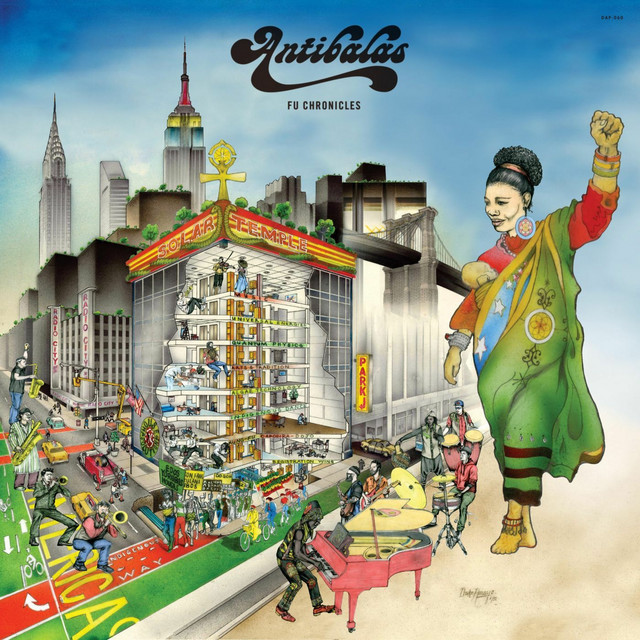
- Fu Chronicles
- Lagos No Shaking