CBGB's 70s Punk
How a Bowery dive bar became ground zero for American punk rock and new wave
- The Bathroom Graffiti Archive
- The Day the Ramones Scared the Hippies
- Television Builds the First Stage
In this issue
- 01Chapter 1The Scene1 min
- 02Chapter 2Key PlayersMembers
- 03Chapter 3Defining the SoundMembers
- 04Chapter 4StoriesMembers
- 05Chapter 5Legacy and InfluenceMembers
- 06The long readTom Got HorribleMembers
- 07The castWho was thereMembers
- 08Family treeWho played with whomMembers
- 09In their own wordsHear them tell itMembers
- 10Essential recordsThe records that made itMembers
- 11The labelsWho put it on recordMembers
- 12The gearWhat made the soundMembers
- 13Chronology1970 to 2006Members
- 14StoriesThe stories behind itMembers
- 15PlacesWhere it happenedMembers
- 16ConnectionsWhere it ledMembers
- 17Go furtherRead and watch nextMembers
The Scene
August 1973: the Mercer Arts Center collapsed. A nineteenth-century hotel on Broadway and West Third Street, its ballrooms and theaters hosting glam, proto-punk, and downtown weirdness, suddenly rubble. Suicide, the Fast, the Magic Tramps needed somewhere to play. The New York Dolls had already proven that glam with a streetwise edge could work in Manhattan's downtown, but the Velvet Underground's ghost was the real inheritance. Make rock that matters again. By late 1973, a former biker bar at 315 Bowery, in a derelict stretch of the East Village between First and Second Streets, was ready.
Hilly Kristal opened CBGB on December 10, 1973, on the ground floor of the Palace Lodging House, a nineteenth-century saloon space. Nobody there thought they were watching history get made. The full name, CBGB & OMFUG, stood for Country, Bluegrass, Blues, and Other Music For Uplifting Gourmandizers, and it reflected Kristal's actual plan. He defined a gourmandizer not as a gourmet but as a person with refined taste, someone who appreciated quality. He wanted roots music. Instead, he got the Ramones.
Read the rest of this issue, and every other one.
The full essay, the cast (Ramones, Television, Talking Heads and more), the records, the chronology and the stories. About 12 minutes of reading, with the music a click away.
Start your 7-day free trialThen $5 a month. Cancel any time.10 albums, and the stories behind them
- 1
Punk rock's founding document, stripping songs to fourteen tracks under three minutes to establish the genre's basic attack.
- 2
Shows punk could be literate and spiritual as well as physical, fusing Beat poetry with garage rock.
- 3
Proves the genre could stretch into sophistication and ambition while still holding its nerve.

- Ramones
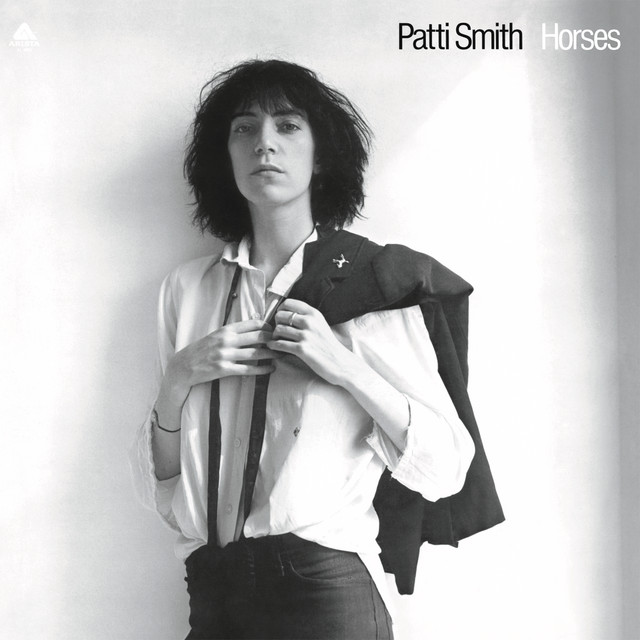
- Horses
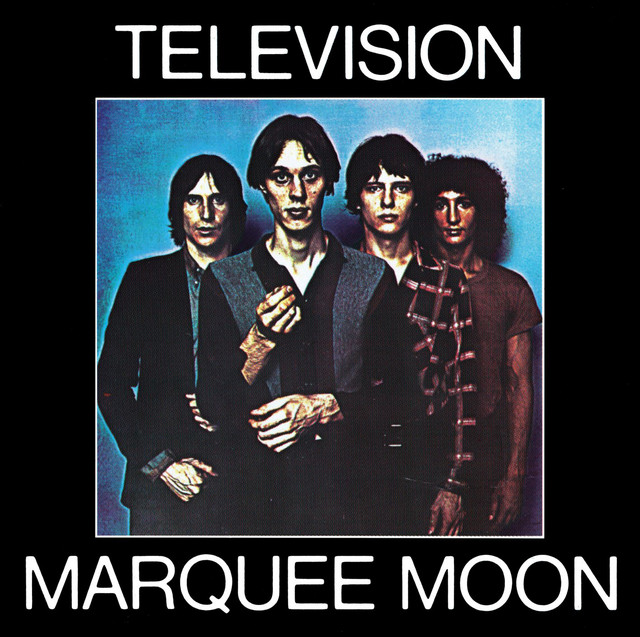
- Marquee Moon
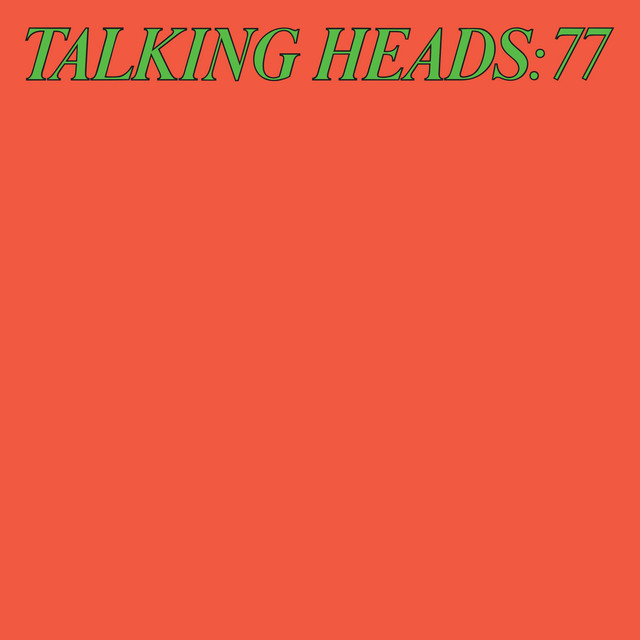
- Talking Heads: 77
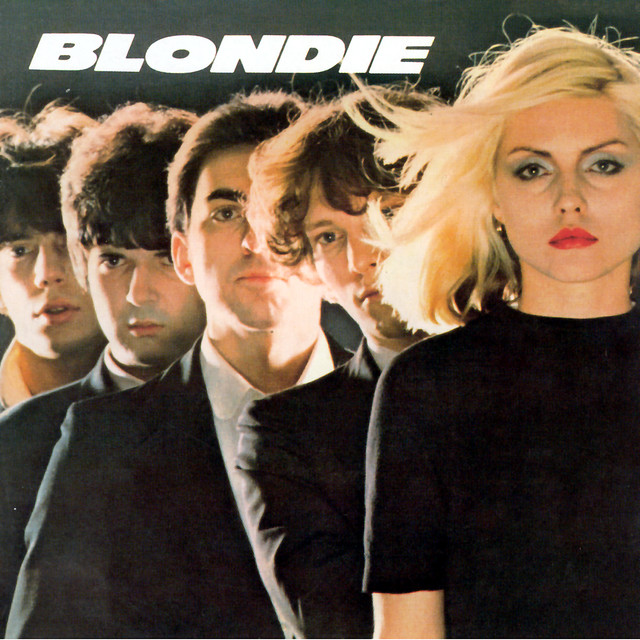
- Blondie
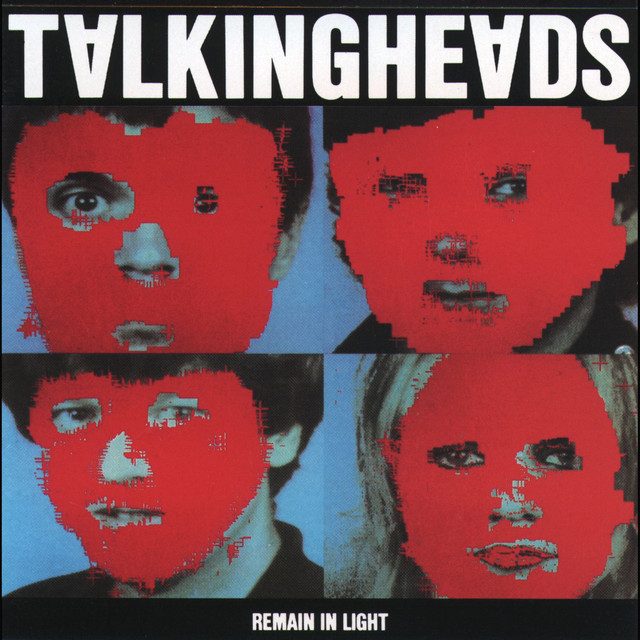
- Remain in Light