London Indie, 2002-07
How a flat on Camden Road, a Monday club night and a magazine looking for a story turned into the last great British indie boom
- The Axe at the Albion Rooms
- Walking Out on the Babyshambles Sessions
- A Gig the Same Day as Prison
In this issue
- 01Chapter 1The Scene2 min
- 02Chapter 2Key PlayersMembers
- 03Chapter 3Defining the SoundMembers
- 04Chapter 4StoriesMembers
- 05Chapter 5Legacy and InfluenceMembers
- 06The castWho was thereMembers
- 07Family treeWho played with whomMembers
- 08In their own wordsHear them tell itMembers
- 09Essential recordsThe records that made itMembers
- 10The labelsWho put it on recordMembers
- 11Chronology1997 to 2007Members
- 12StoriesThe stories behind itMembers
- 13PlacesWhere it happenedMembers
- 14ConnectionsWhere it ledMembers
- 15Go furtherRead and watch nextMembers
The Scene
The story starts earlier than the headlines suggest, in a shared flat in Richmond where Carl Barât, a drama student at Brunel University, lived with Amy-Jo Doherty, elder sister of Peter, who was reading English literature at Queen Mary. Both courses were abandoned: Barât left two years in, Doherty after one. The two moved into a flat on Camden Road, formed a band with their neighbor Steve Bedlow, and by late 1999 had their first NME live review, from Roger Morton, who called them “fresh, wry and savage” and managed them for less than a year. They started playing gigs in the flat itself. The model of inviting strangers into their own home, rather than waiting to be let into a venue, was the germ of much that followed.
The wider trigger came from New York. When the Strokes released Is This It in 2001, their retro take on the Velvet Underground and the Ramones landed in a mainstream where rock meant post-grunge, nu metal and rap rock. NME, coming out of what its contributor Peter Robinson called “the arse-end of Britpop”, and with the UK's love of dance music cooling at the turn of the millennium, needed something new to get excited about. Robinson himself “couldn't personally have really given two fucks about the White Stripes or The Libertines”, but he remembered “a magazine feeling as if it was right at the very heart of a really exciting scene”. NME found the Strokes and the Libertines, and the bands kept coming, not only from London. Franz Ferdinand, from Glasgow, signed to Domino in May 2003; “Take Me Out” reached No 3 in January 2004, and their debut won that year's Mercury Prize. Kaiser Chiefs, from Leeds, broke through on the NME Awards Tour at the start of 2005.
Read the rest of this issue, and every other one.
The full essay, the cast (The Libertines, Bloc Party, Babyshambles and more), the records, the chronology and the stories. About 14 minutes of reading, with the music a click away.
Start your 7-day free trialThen $5 a month. Cancel any time.11 albums, and the stories behind them
- 1
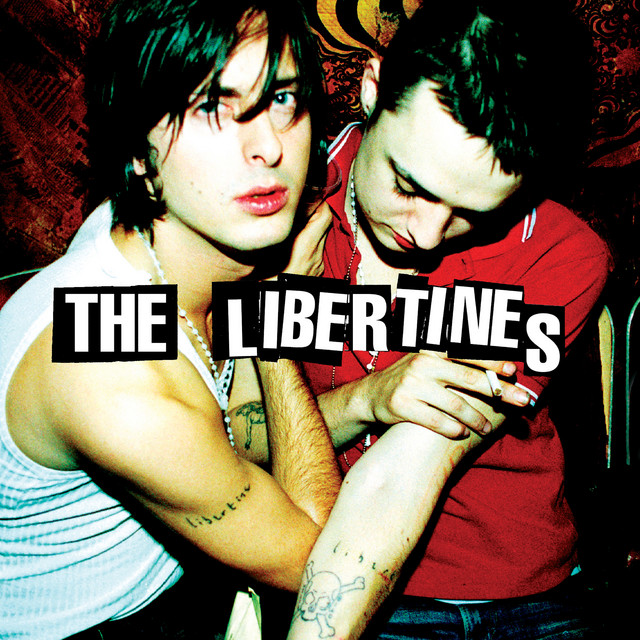
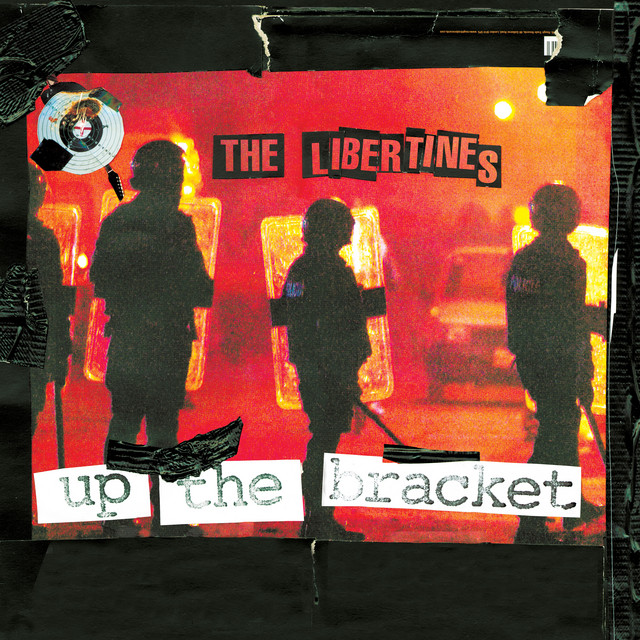
The Libertines' debut, produced by Mick Jones of the Clash, since credited as central to the British post-punk revival.
- 2
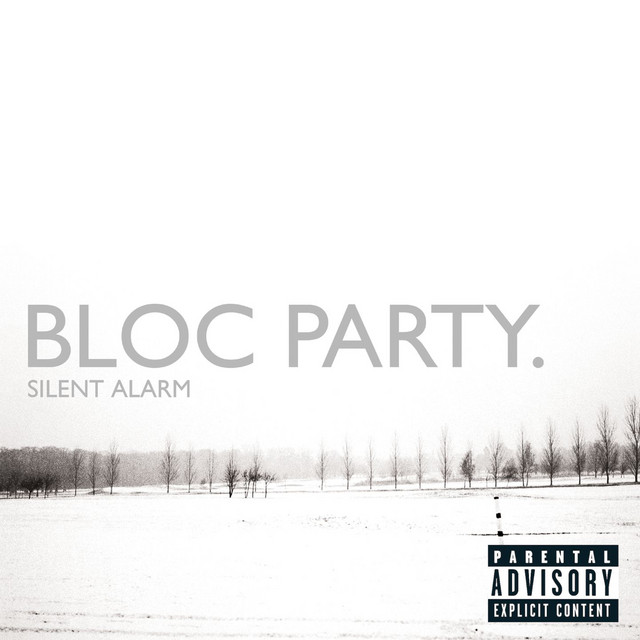
Bloc Party's debut went platinum in Britain and was NME's Album of the Year for 2005.
- 3
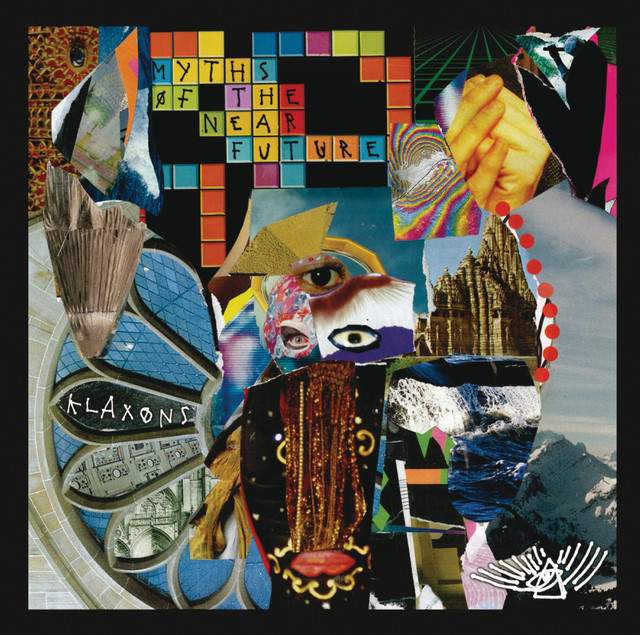
Klaxons' debut became new rave's flagship record and won the Mercury Prize in 2007.
- Up the Bracket
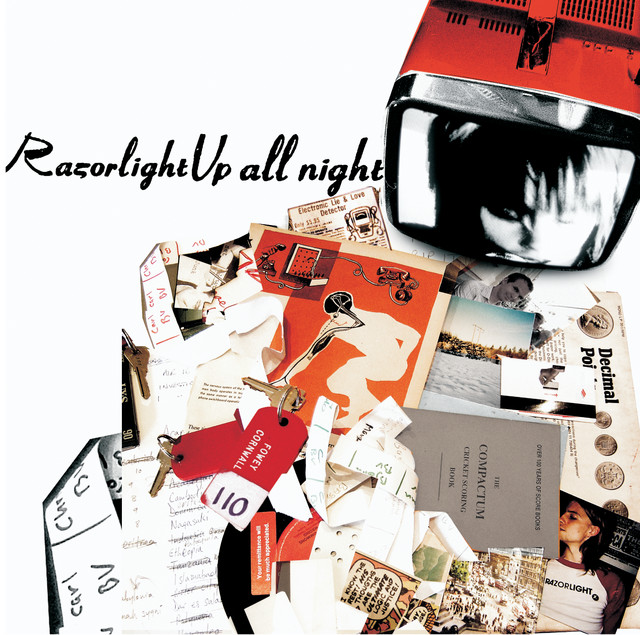
- Up All Night
- The Libertines
- Silent Alarm
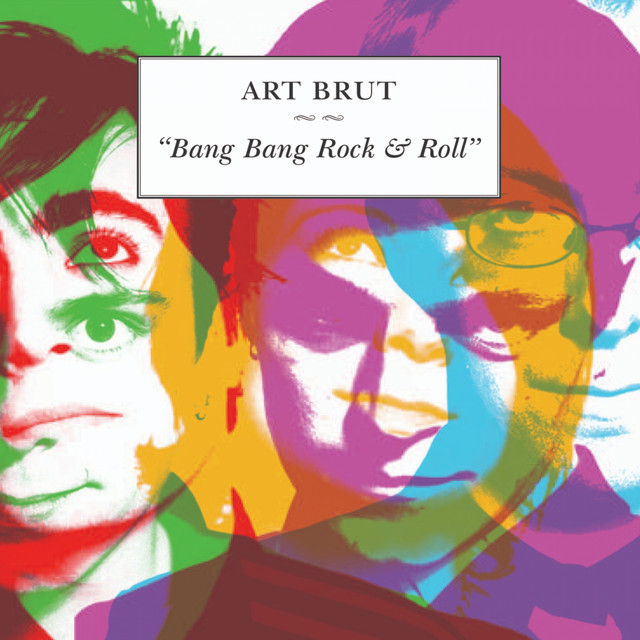
- Bang Bang Rock & Roll
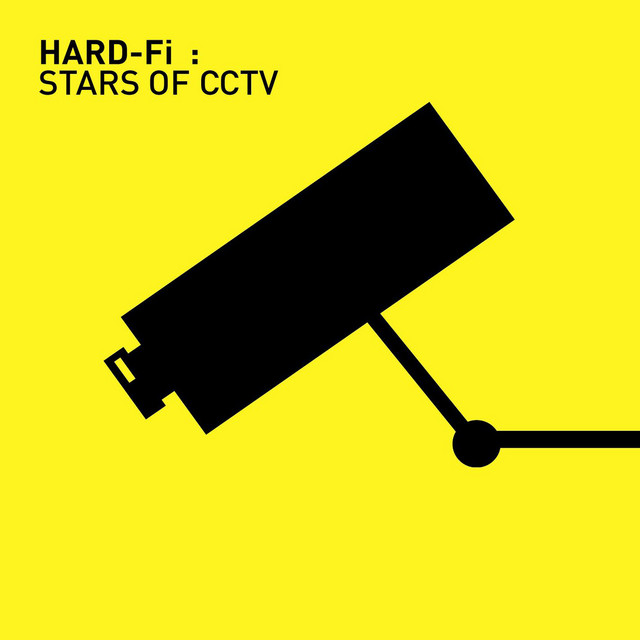
- Stars of CCTV