Manchester
Manchester appears in 8 Songsheets issues: UK Post-Punk, 90s UK Jungle and Drum & Bass, The Haçienda Sound, Industrial, UK Goth, Darkwave and Synth Goth, Northern Soul and Britpop. 12 artists in the archive came from here, including Joy Division, The Fall and Magazine. Key places include The Haçienda and Lesser Free Trade Hall. The issues date 4 events here, from 1976 to 1992.
Joy Division, The Fall, Magazine, New Order. Manchester's post-punk scene turned industrial decline into artistic revolution, from Factory Records to the Haçienda.
Scenes
Artists from Manchester
- Joy Division
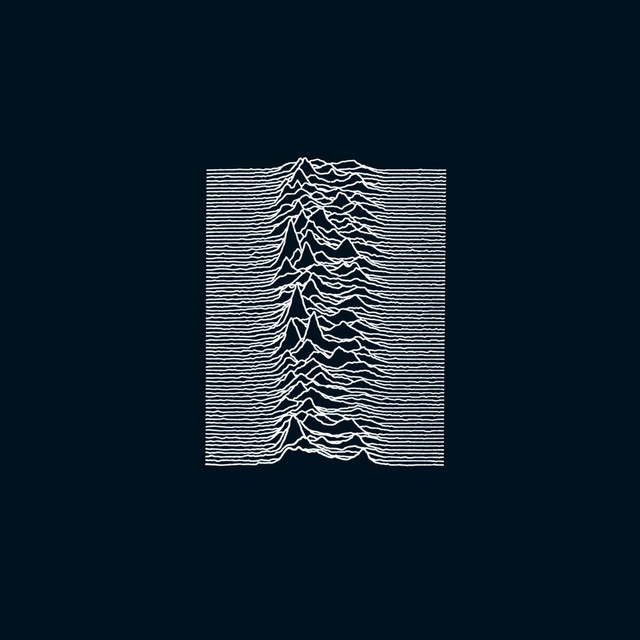
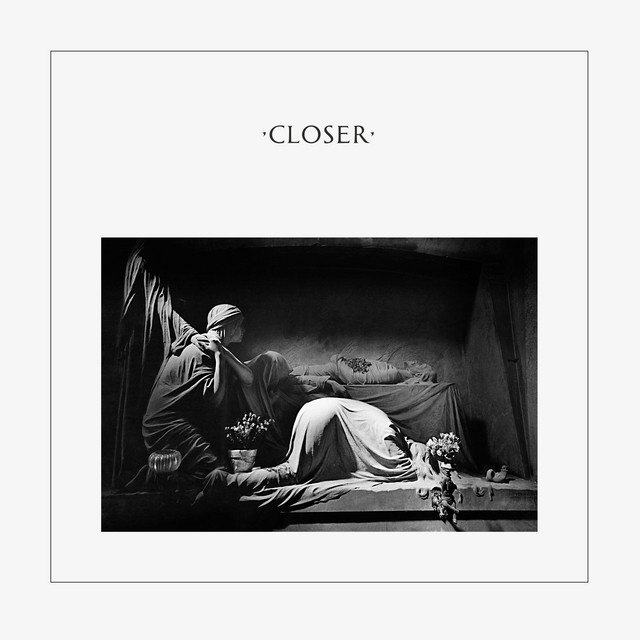
Four young men from Manchester and Salford made a sound that felt colder and larger than anything else coming out of punk's wreckage, anchored by Ian Curtis's baritone and a rhythm section that moved like machinery.
- The Fall
Mark E.
- Magazine
Howard Devoto quit the Buzzcocks just as they were taking off and started Magazine instead, pulling in John McGeoch on guitar and Dave Formula on keyboards to chase something more ambitious than punk's three chords.
- New Order
Factory Records' cash cow and the Haçienda's reluctant financiers, New Order emerged from Joy Division's ashes to pioneer synth-driven post-punk and dance-rock hybrids.
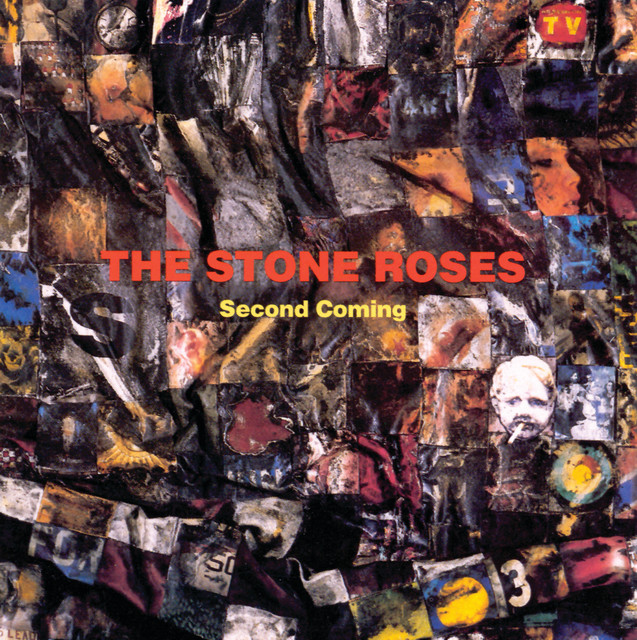
- the Stone Roses
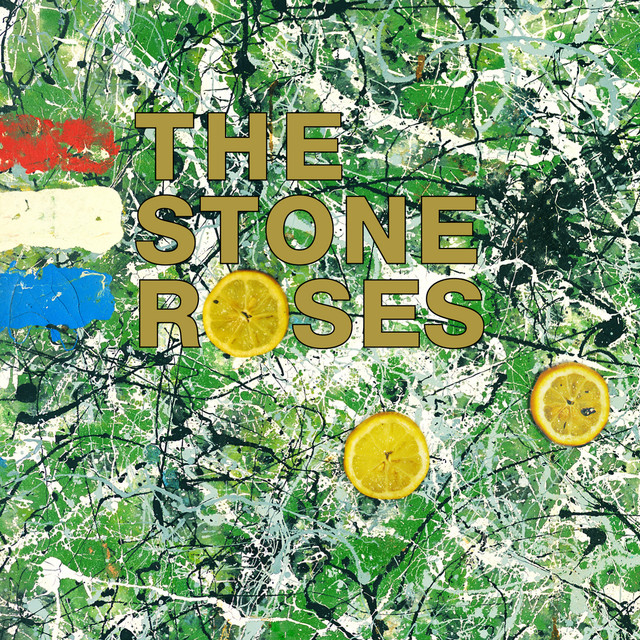
As figureheads of Madchester, the Stone Roses offered good times and catchy songs as an alternative to shoegazing and grunge, and their long silence in the early 1990s left a gap in British indie that grunge filled before Britpop arrived.
- 808 State
Born from Manchester's Eastern Bloc record shop, 808 State turned Roland drum machines and samplers into lush, cinematic acid house.
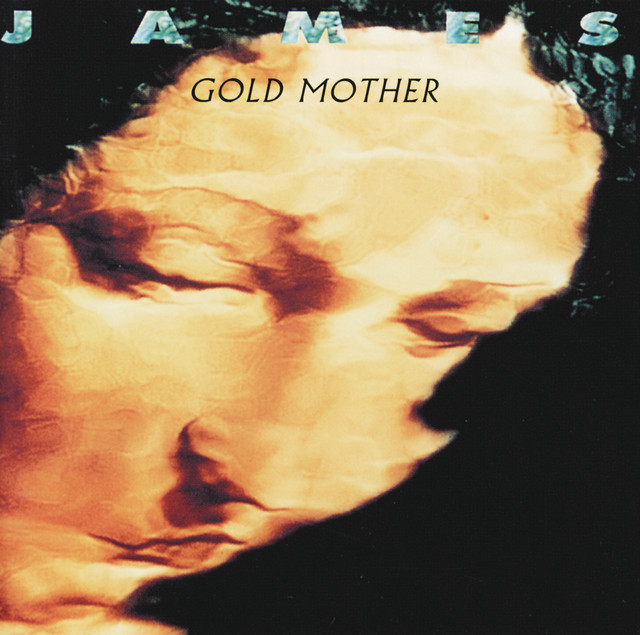
- James
Manchester's art-school outsiders rode the Madchester wave to chart success, combining indie introspection with dancefloor-ready grooves.
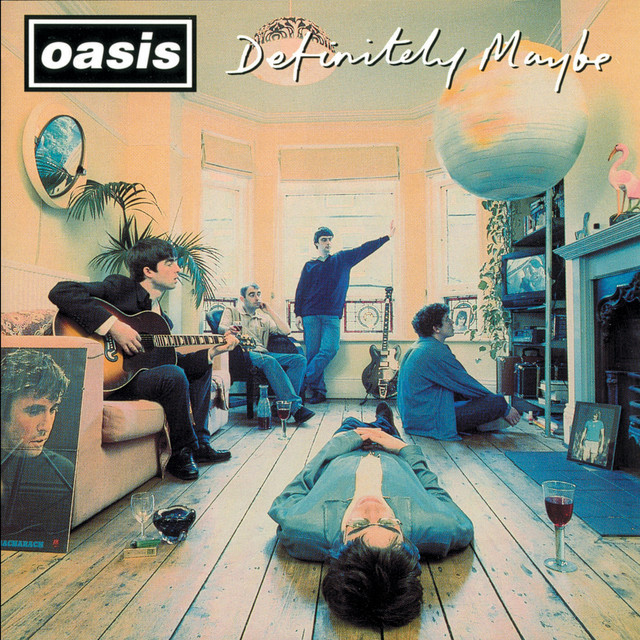
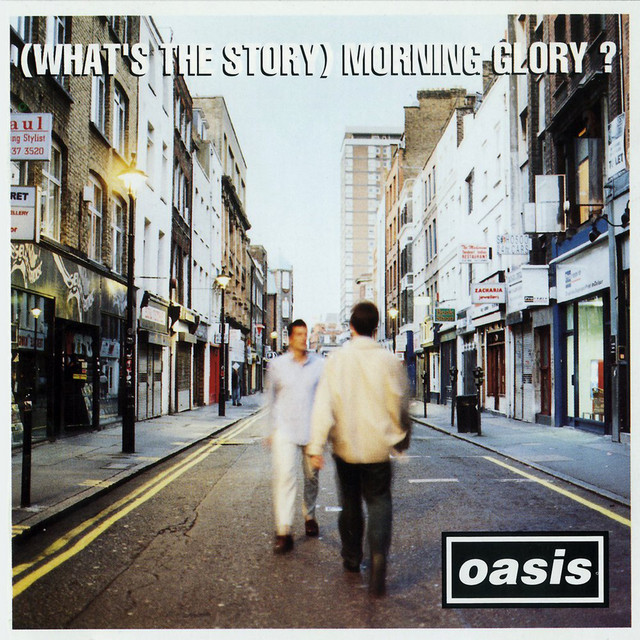
- Oasis
Oasis's debut, Definitely Maybe (1994), was the fastest-selling debut album in British history at the time.
- A Guy Called Gerald
Gerald Simpson's "Voodoo Ray," released in 1988, distilled Manchester's acid house moment into four minutes of 303 squelch, breakbeats, and sampled mysticism.
- Roger Eagle
Roger Eagle, a public-school rebel from Oxford who moved north, became the Twisted Wheel's DJ on 24 November 1963, building its reputation on imported American blues and rhythm and blues.
- Ivor Abadi
Ivor Abadi was one of five brothers, and with Jack and Phil he founded the Twisted Wheel in Manchester in 1963, after Jack came back from the States and the Philippines.
- the Smiths
The Smiths' literate, melodic guitar pop of the 1980s is the influence most Britpop bands have in common.
Places
- The Haçienda1982-1997 · UK Post-Punk
Factory Records' legendary nightclub opened in May 1982, designed by Ben Kelly with funding from New Order's royalties. Despite losing money every month and contributing to Factory's bankruptcy, it became the cultural epicenter of post-punk Manchester and later the Madchester rave scene.
- Lesser Free Trade Hall1856-1996 · UK Post-Punk
This venue hosted the Sex Pistols' legendary June 4, 1976 gig that inspired the founding members of Joy Division, The Fall, Buzzcocks, and the Smiths, becoming post-punk's creation myth and launching Manchester's entire musical revolution.
What happened here
- 1976Sex Pistols at Lesser Free Trade Hall
June gig in Manchester draws future members of Joy Division, the Fall, the Smiths, Buzzcocks, and Magazine; Tony Wilson and Martin Hannett attend, planting Factory Records' seeds.
UK Post-Punk - 1978Factory Records founded
Tony Wilson and Alan Erasmus launch Factory from Erasmus's Didsbury flat; the Russell Club becomes The Factory venue on Friday nights in May.
UK Post-Punk - 1982The Haçienda opens
Factory's nightclub (FAC 51) launches in May in a converted yacht showroom with Ben Kelly's industrial design; loses money from day one despite cultural influence.
UK Post-Punk - 1992Factory Records declares bankruptcy
Factory Communications Ltd goes bankrupt in November after The Haçienda's mounting losses and expensive album productions; London Records deal falls through when no contracts exist.
UK Post-Punk
Records made by artists from Manchester

Connections
Manchester's post-punk scene developed in tension with London, with Factory Records positioning itself as an alternative to the capital's music industry.
Jamaican dub influenced Manchester's post-punk producers; Martin Hannett's production for Joy Division drew from dub's spatial techniques.