The seeds of Britpop were planted in Manchester well before anyone used the word. The Smiths, through the 1980s, gave a generation of British guitar bands a template: literate, melodic, unmistakably English. Then came the Stone Roses and Happy Mondays, the Madchester scene built around the Haçienda, whose good times and catchy songs offered an alternative to shoegazing at home and grunge from America. In 1991 James's “Sit Down” reached number two, and whole festival crowds used to sit down during its chorus. The La's had released “There She Goes” back in 1988, a single Rolling Stone later called a “founding piece of Britpop's foundation”; Noel Gallagher once declared that “Oasis want to finish what The La's started”.
The author John Harris dates the start to spring 1992, when Blur's “Popscene” and Suede's “The Drowners”The DrownersSuede came out around the same time. Suede, formed in London in 1989 by Brett Anderson, Justine Frischmann and Anderson's childhood friend Mat Osman, were on the cover of Melody Maker's 25 April 1992 issue as “The Best New Band in Britain” before their first single was out. Their self-titled debut entered the chart at number one in 1993, became the fastest-selling debut album in nearly a decade and won the Mercury Prize. In April 1993, Select magazine put Brett Anderson on its cover against a Union Flag with the headline “Yanks go home!”, over features on Suede, Pulp, the Auteurs, Denim and Saint Etienne. Luke Haines of the Auteurs later said none of the bands knew the flag was coming: “It was moronic.”
By 1995 the music press had settled on Camden Town, where Blur, Elastica and Menswear could be found, as the scene's home. Melody Maker declared: “Camden is to 1995 what Seattle was to 1992, what Manchester was to 1989, and what Mr Blobby was to 1993.”
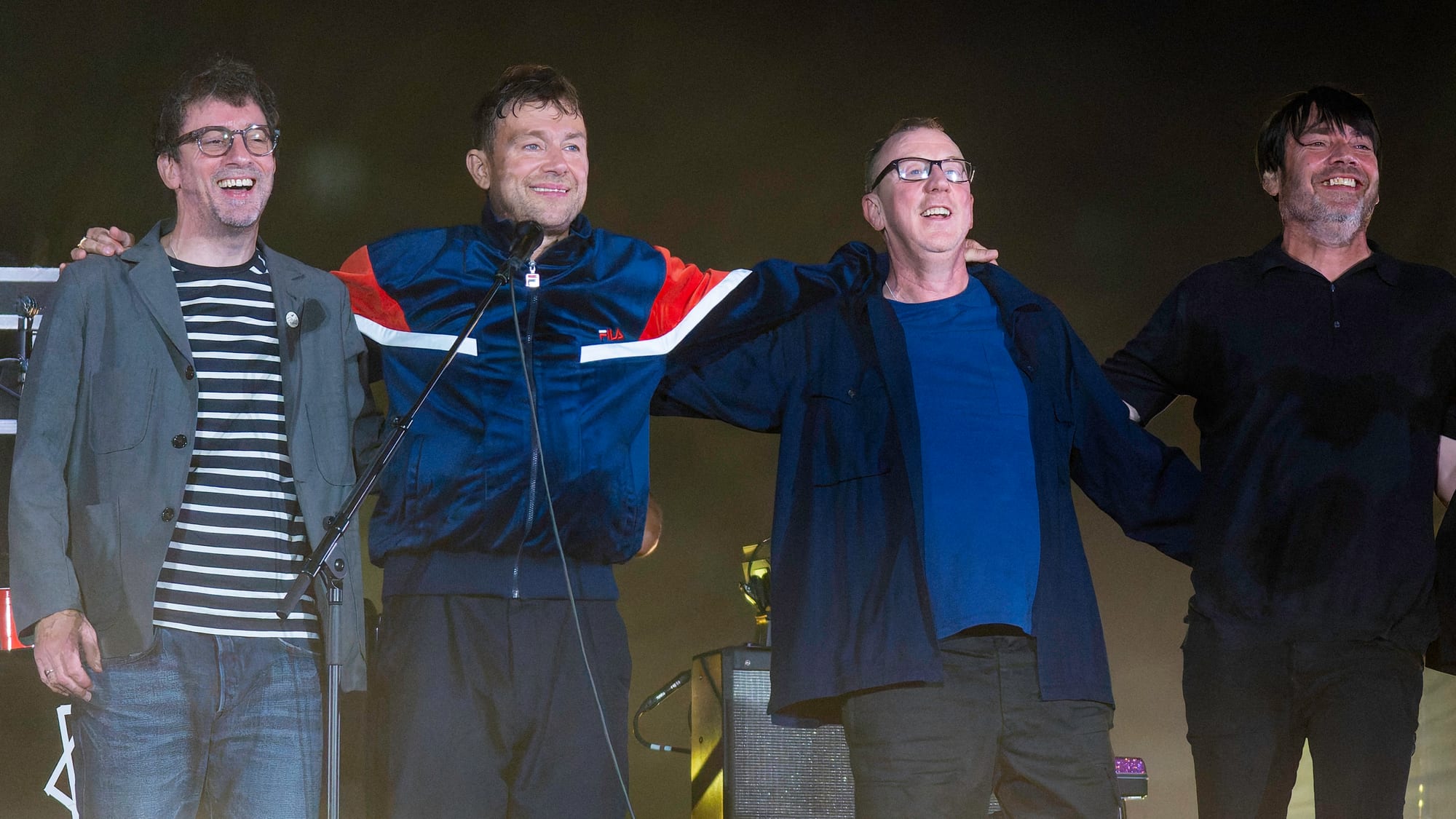
Blur at the Eventim Apollo, London, July 20232023 · Raph_PH · CC BY 2.0
By 1996 the whole thing had swollen into something bigger than music, a mood that got tagged “Cool Britannia”: the Euros at home, Britpop filling stadiums, a British film boom that ran from Four Weddings and a Funeral to Trainspotting, Damien Hirst and Tracey Emin's Young British Artists making headlines, Alexander McQueen on the runway. After Labour's landslide in 1997, Tony Blair invited musicians to Downing Street. Noel Gallagher went and was photographed with a glass of champagne beside the new prime minister; Damon Albarn declined: “Enjoy the schmooze, comrade.” Musicians who lived through it remain wary of the label. Miki Berenyi of Lush said: “It's a bit meaningless. It's PR – something that really suited politicians.” Jarvis Cocker told the author Daniel Rachel he would not take part in Rachel's book if it was called Cool Britannia. Andy Bell of Ride, Hurricane #1 and later Oasis described the whole mood as “a weird imperialist neediness”.
Chapter 2
Key Players
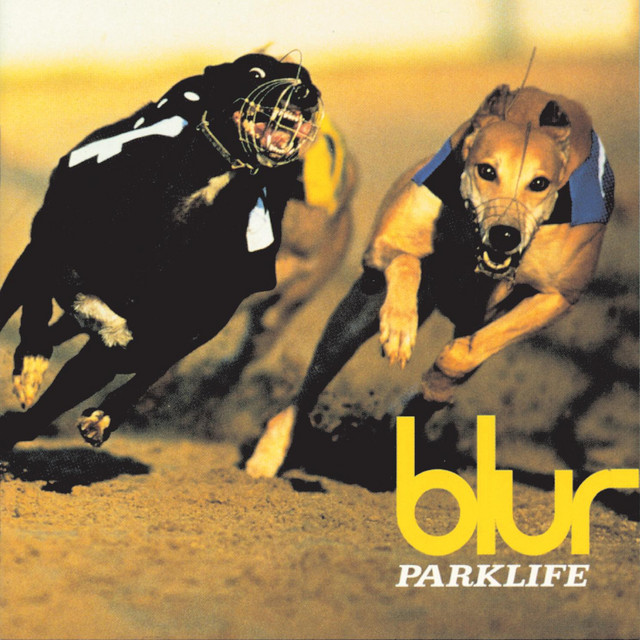
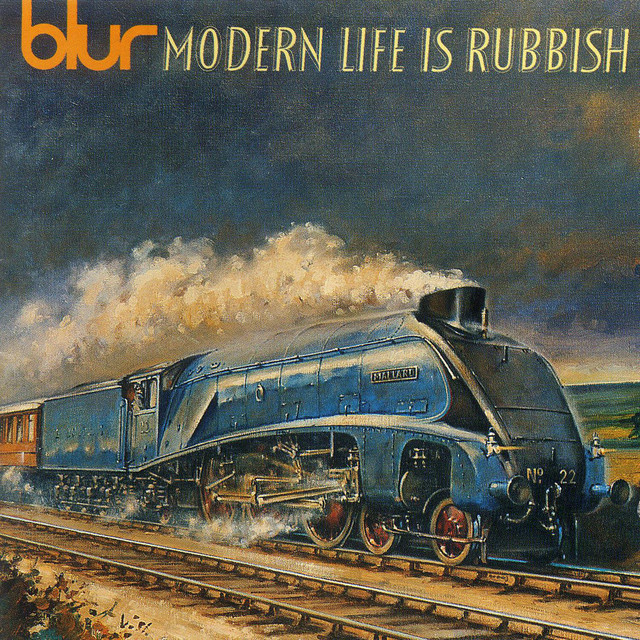
Blur formed in London in December 1988 as Seymour: singer Damon Albarn, guitarist Graham Coxon, bassist Alex James and drummer Dave Rowntree. Food Records disliked the name, the band picked Blur from the label's list of alternatives, and Food signed them in March 1990. Their early singles traded in Madchester and shoegaze textures. A miserable two-month US tour in 1992 left Albarn resenting American culture (“I missed everything about England so I started writing songs which created an English atmosphere”), and the band turned to the Kinks- and XTC-influenced Englishness of Modern Life Is Rubbish and then Parklife, the album that made them the scene's most visible standard-bearers. Producer Stephen Street remembered “a lot of confidence flying through Blur” after Parklife, with Damon “revelling in being one of the hottest things on the planet” while still going out with Elastica's Justine Frischmann.
Oasis began in Manchester in 1991, when Liam Gallagher joined a band called the Rain (bassist Paul “Guigsy” McGuigan, guitarist Paul “Bonehead” Arthurs and drummer Tony McCarroll) and renamed it. His older brother Noel Gallagher, then a roadie for Inspiral Carpets, saw their first gig and then joined on condition that he would be the band's sole songwriter and leader. Creation Records signed them in 1993.
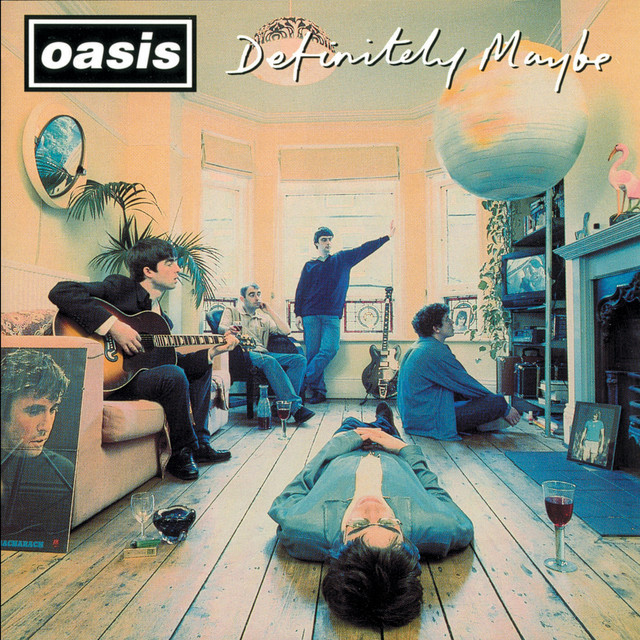
Definitely Maybe (1994) became the fastest-selling debut album in British history at the time, and Noel's Beatles-steeped songwriting, paired with Liam's sneer, made Oasis the band most identified with the movement's mass popularity, even as Noel disowned the label: “We're not Britpop, we're universal rock.” Oasis press officer Johnny Hopkins said the intention was always to keep the band “away from Britpop as much as possible”, calling the whole idea “pretty parochial and limiting, and in parts pretty sinister”. Oasis didn't drink at the Good Mixer in Camden like the other so-called Britpop bands; the only time they went in, Hopkins said, was “just to fire a warning shot across the bows”.
Suede, Brett Anderson's band with guitarist Bernard Butler and bassist Mat Osman (Justine Frischmann played guitar in the early line-up), were the first of the new guitar bands that the UK music press embraced as Britain's answer to grunge.
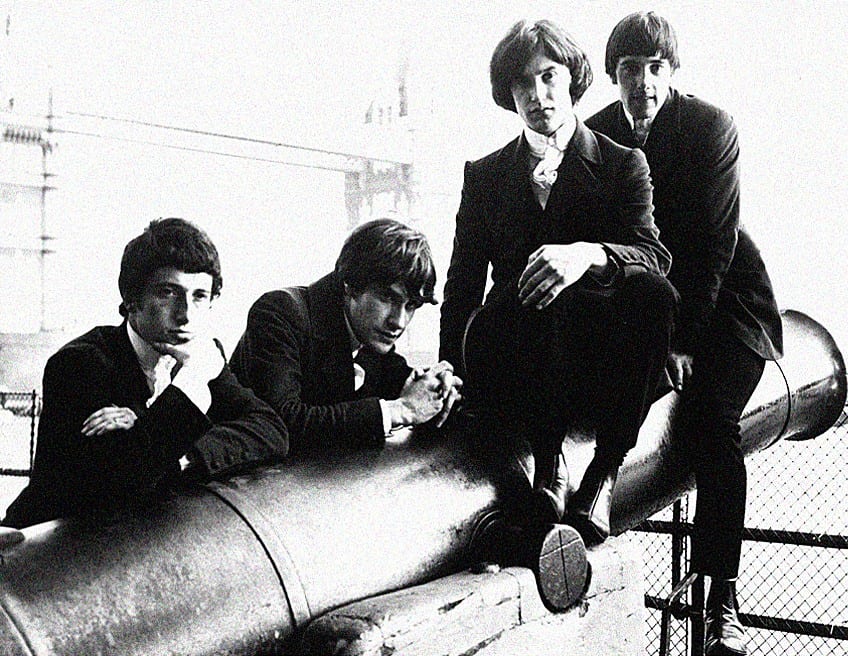
The Kinks near Tower Bridge, London, August 19641964 · Photographer: Anonymous. Publisher: The State Register-Journal newspaper · Public domain
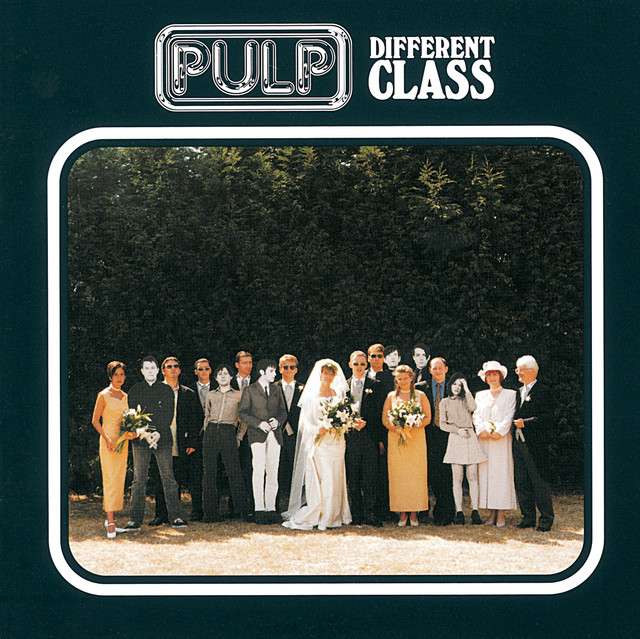
Pulp had been going since 1978, when a 15-year-old Jarvis Cocker formed the band at school in Sheffield. Years on small labels went nowhere until Island released His 'n' Hers in 1994, which reached number nine and was nominated for the Mercury Prize. “Common People”Common PeoplePulp reached number two at the end of May 1995, Pulp stood in for the Stone Roses at Glastonbury in June, and Different Class went to number one in November.
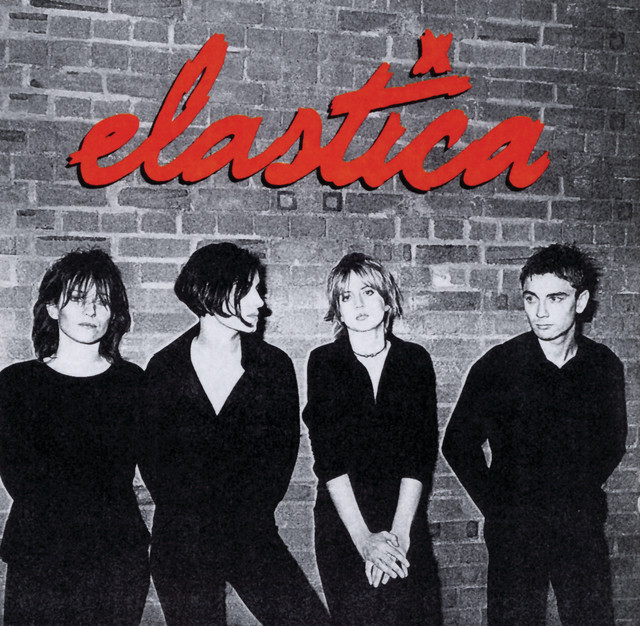
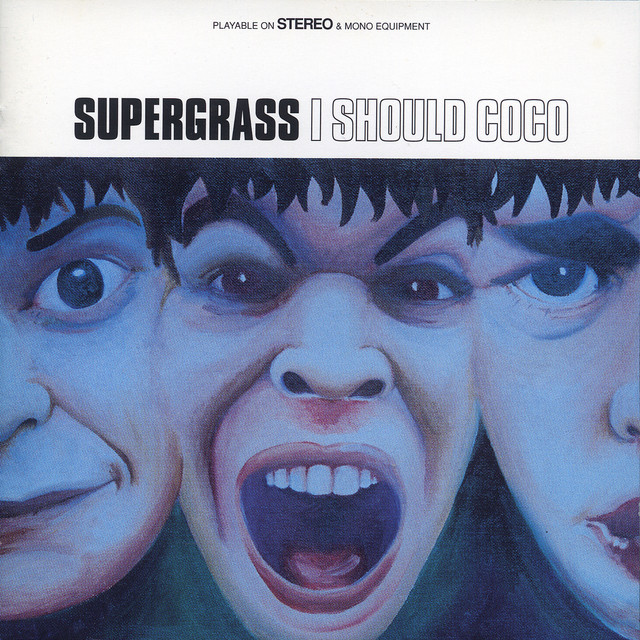
Elastica formed in 1992 around two former members of Suede, Justine Frischmann and drummer Justin Welch. Their debut album entered the chart at number one in March 1995 and became the fastest-selling debut since Definitely Maybe. At the start of that year Sleeper, Supergrass and Menswear had scored pop hits, and that summer Supergrass, from Oxford, took I Should Coco to number one. By 1996 the NME was calling the bands that followed Noel Gallagher's lead, among them the Boo Radleys, Ocean Colour Scene and Cast, “Noelrock”.
Chapter 3
Defining the Sound
Britpop's musical grammar was built from guitars, verse-chorus structures, and a studied reverence for British pop's past rather than any single sonic innovation. Bands drew on 1960s British pop, 1970s glam and punk, and 1980s indie pop in varying ratios. Blur drew on the Kinks and early Pink Floyd, and Modern Life Is Rubbish, produced by Stephen Street, dressed melodic songs with brass, woodwind and backing vocalists. Oasis took their inspiration from the Beatles. Under Noel, the early band kept things simple, with Bonehead and Guigsy restricted to barre chords and root bass notes, McCarroll playing basic rhythms and the amps turned up for distortion, a sound one account described as “so devoid of finesse and complexity that it came out sounding pretty much unstoppable”. Elastica looked to Wire and both incarnations of Adam and the Ants, and kept their songs short on purpose. Justine Frischmann said: “I want the best bits — verse-chorus, verse-chorus, that's it.”
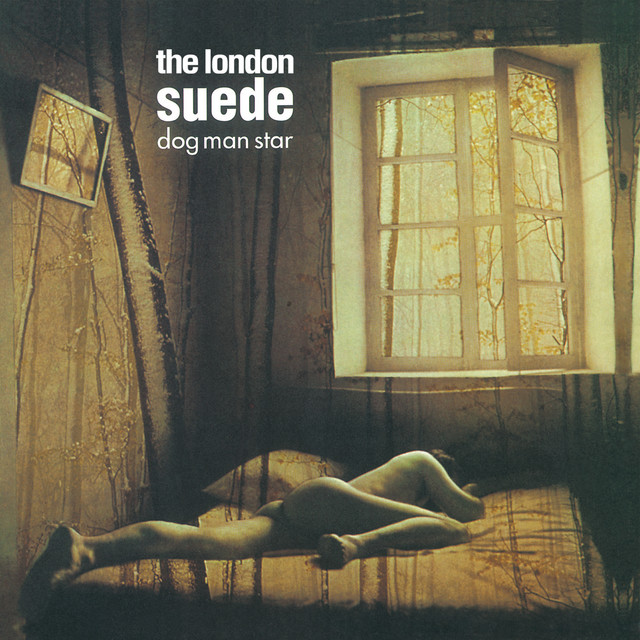
Suede's starting point was different: glam rock and post-punk, filtered through Bernard Butler's expansive, often multi-layered guitar arrangements and Brett Anderson's sexually fluid lyrics. Dog Man Star, recorded amid escalating tension between Anderson and Butler, pushed toward long songs, recorded largely at Butler's behest, a contrast to the more radio-friendly pop Suede pursued afterward on Coming Up. Pulp's sound sat furthest from straightforward guitar rock, built on Candida Doyle's keyboards and Russell Senior's violin as much as on guitar; Stuart Maconie called their 1991 single “Countdown” a “space age disco anthem”, and Cocker counted Jacques Brel, Scott Walker and Burt Bacharach among his influences. Alan McGee has said the Definitely Maybe track “Digsy's Dinner”Digsy's DinnerOasis was “a piss-take of that Britpop thing”, Noel proving, in McGee's words, “that he could do that in his sleep”.
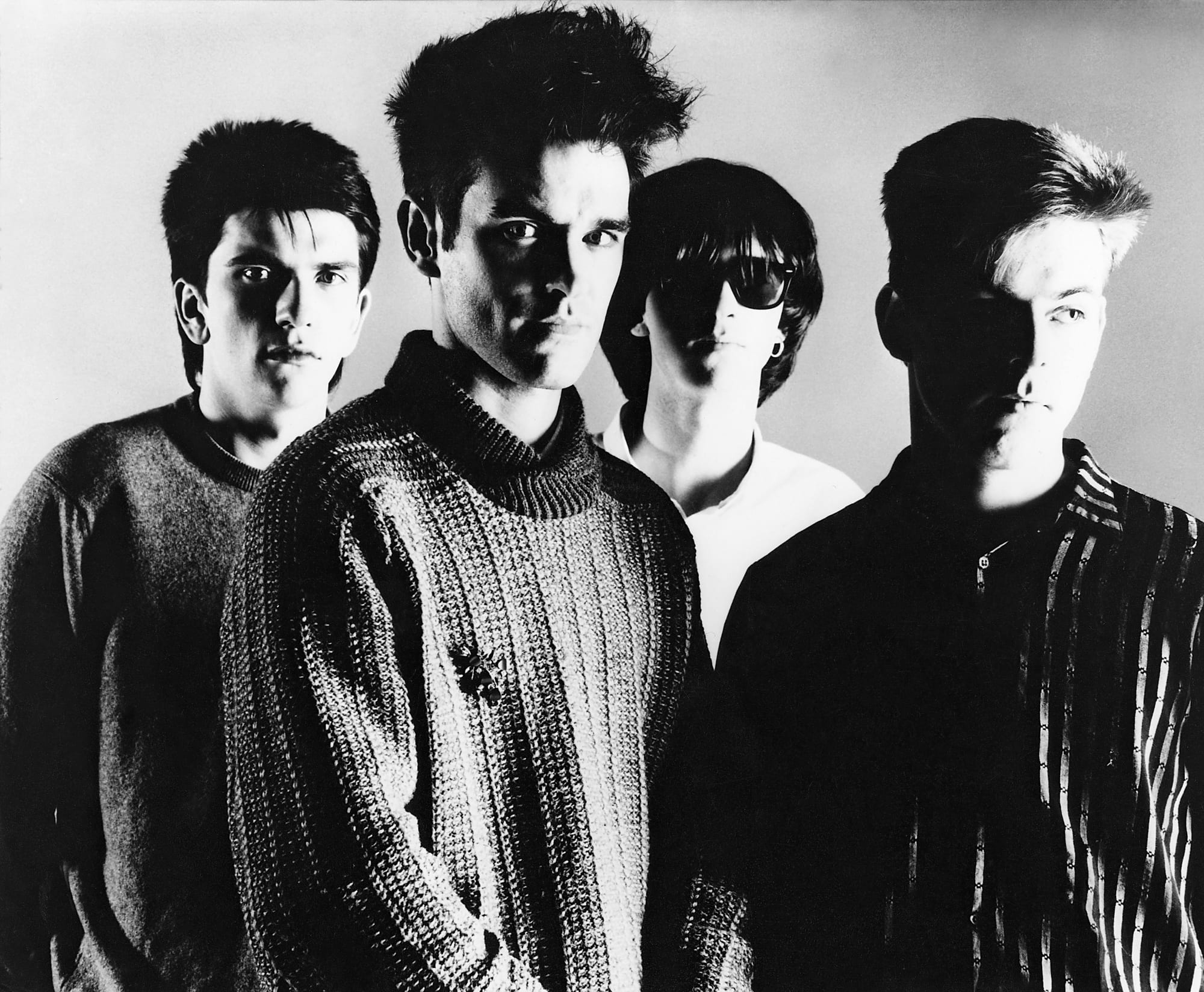
The Smiths, 19841984 · Paul Cox; Distributed by Sire Records · Public domain
Chapter 4
Stories
The rivalry that defined Britpop started with goodwill. At the 1995 Brit Awards, as John Harris remembered it, Albarn accepted Best Group by saying “This should be shared with Oasis”, and Coxon added “Much love and respect for them”, the high point, Harris said, of the idea that the two bands had a common cause. Then-NME editor Steve Sutherland recalled a backstage run-in at the NME Awards, where Liam had a go at, he thought, Alex James, and a very drunk Graham Coxon walked up and kissed Liam on the cheek. Alex was the one Oasis really didn't like, Sutherland said: “Little Lord Fauntleroy, foppish Alex”.
In April 1995 Oasis scored their first number one with “Some Might Say”Some Might SayOasis, and Albarn went to the celebration party to offer his congratulations. Liam's reaction, Albarn later told NME, was to come over and say “Number fuckin' One!”, right in his face. Albarn's response, in his own words: “OK we'll see…” Albarn would later admit, in the Blur documentary No Distance Left to Run, that “Noel Gallagher used to take the piss out of me constantly and it really, really hurt at the time. Oasis were like the bullies I had to put up with at school.”
That tension became public spectacle in August 1995, when “Country House”Country HouseBlur and Oasis's “Roll with It”Roll With ItOasis were set for release on the same day, Monday 14 August, and the NME splashed it on its 12 August cover as the “British Heavyweight Championship”. The conflict was framed as class and geography as much as music: Oasis the North, Blur the South. The “Country House” video, directed by Damien Hirst, starred comedians Keith Allen and Matt Lucas and the model Jo Guest; Oasis countered with a much simpler performance video for a song Noel described to NME as being “about fuck all. It's just a simple rock 'n' roll tune”, one Charlatans frontman Tim Burgess later called “a kind of flatpack Oasis song”.
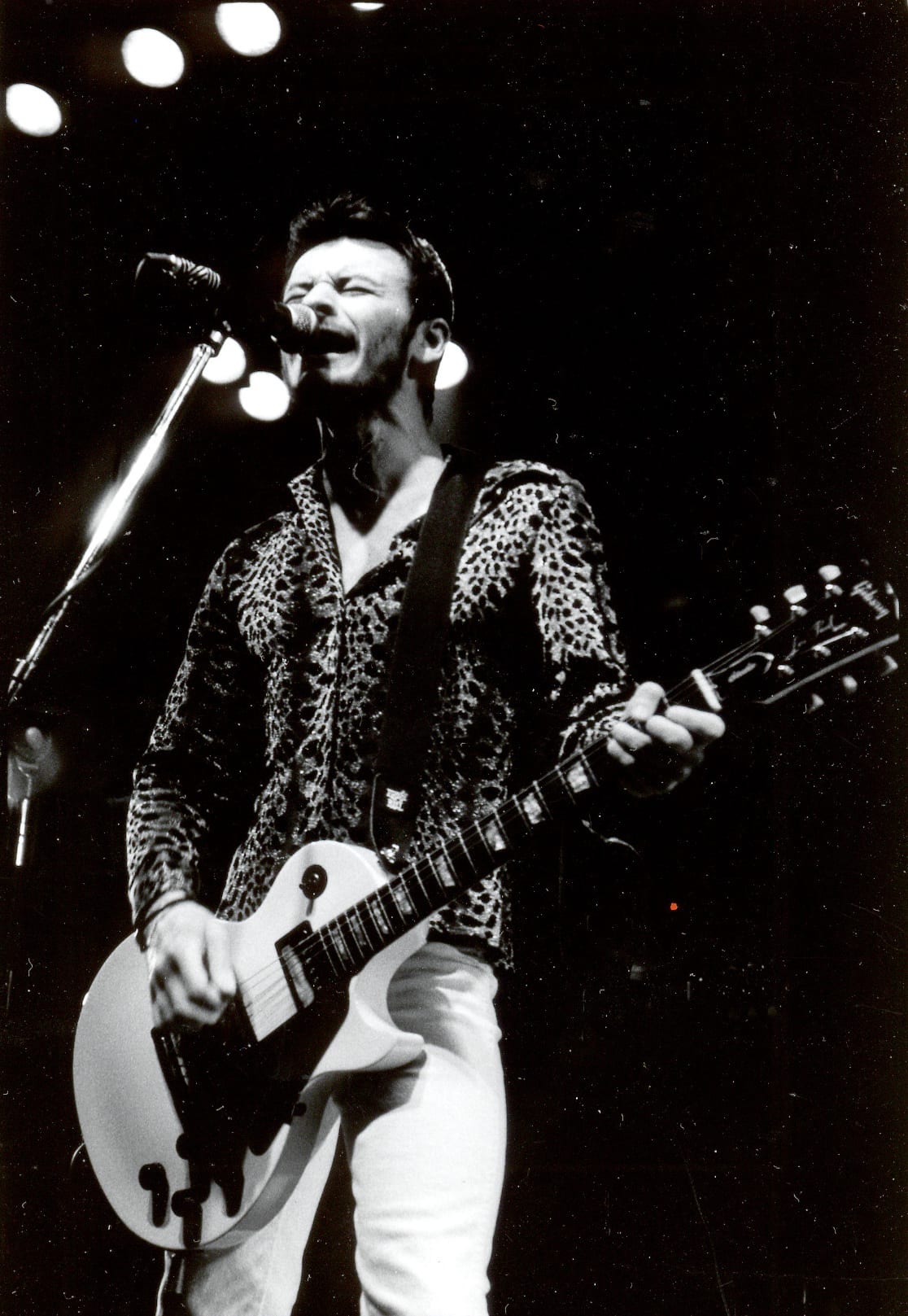
James Dean Bradfield of the Manic Street Preachers in Chicago, April 19921992 · Masao Nakagami · CC BY-SA 2.0
Jibes flew in both directions, Oasis dismissing Blur as “Chas & Dave chimney sweep music”, Blur mocking their rivals as the “Oasis Quo”. When the chart was announced on Sunday 20 August, in the best week for UK singles sales in a decade, “Country House” had sold 274,000 copies to 216,000 for “Roll with It”, and Alex James wore an Oasis T-shirt to perform the number one on Top of the Pops. In the long run, Oasis became more commercially successful than Blur, at home and abroad.
The rivalry turned uglier that September when Noel Gallagher told The Observer he hoped members of Blur would “catch AIDS and die”, a comment that caused a media furore; he apologized in a formal letter to several publications. The animosity resurfaced at the 1996 Brit Awards, where Oasis won Best British Album, Best British Group and Best Video over Blur and Pulp; accepting Best Video for “Wonderwall”WonderwallOasis, the band taunted Blur by singing the chorus of “Parklife”ParklifeBlur with the lyrics changed to “shite life”.
Chapter 5
Legacy and Influence
Britpop's commercial decline in the late 1990s turned attention to Radiohead and the Verve, bands the British media had overlooked, and then to Travis, Stereophonics and especially Coldplay, who avoided the Britpop label and wrote music that was more introspective, less parochially English, and more willing to court American audiences. Coldplay's Parachutes (2000) and A Rush of Blood to the Head (2002) made them global stars in a way few Britpop acts achieved, and Keane's Hopes and Fears (2004) and Snow Patrol's “Chasing Cars” extended that lineage into the 2000s, trading Britpop's laddish swagger for melodic earnestness.
A second strand of influence ran through the garage rock and post-punk revival of the early 2000s. Bands like the Libertines, Razorlight, Kaiser Chiefs, Arctic Monkeys and Bloc Party were seen by some critics as a “second wave” of Britpop, though their reference points leaned more toward 1970s and 1980s punk and post-punk than the 1960s pop that shaped Blur and Oasis. Kele Okereke of Bloc Party has said he started making music because of Suede's Dog Man Star.
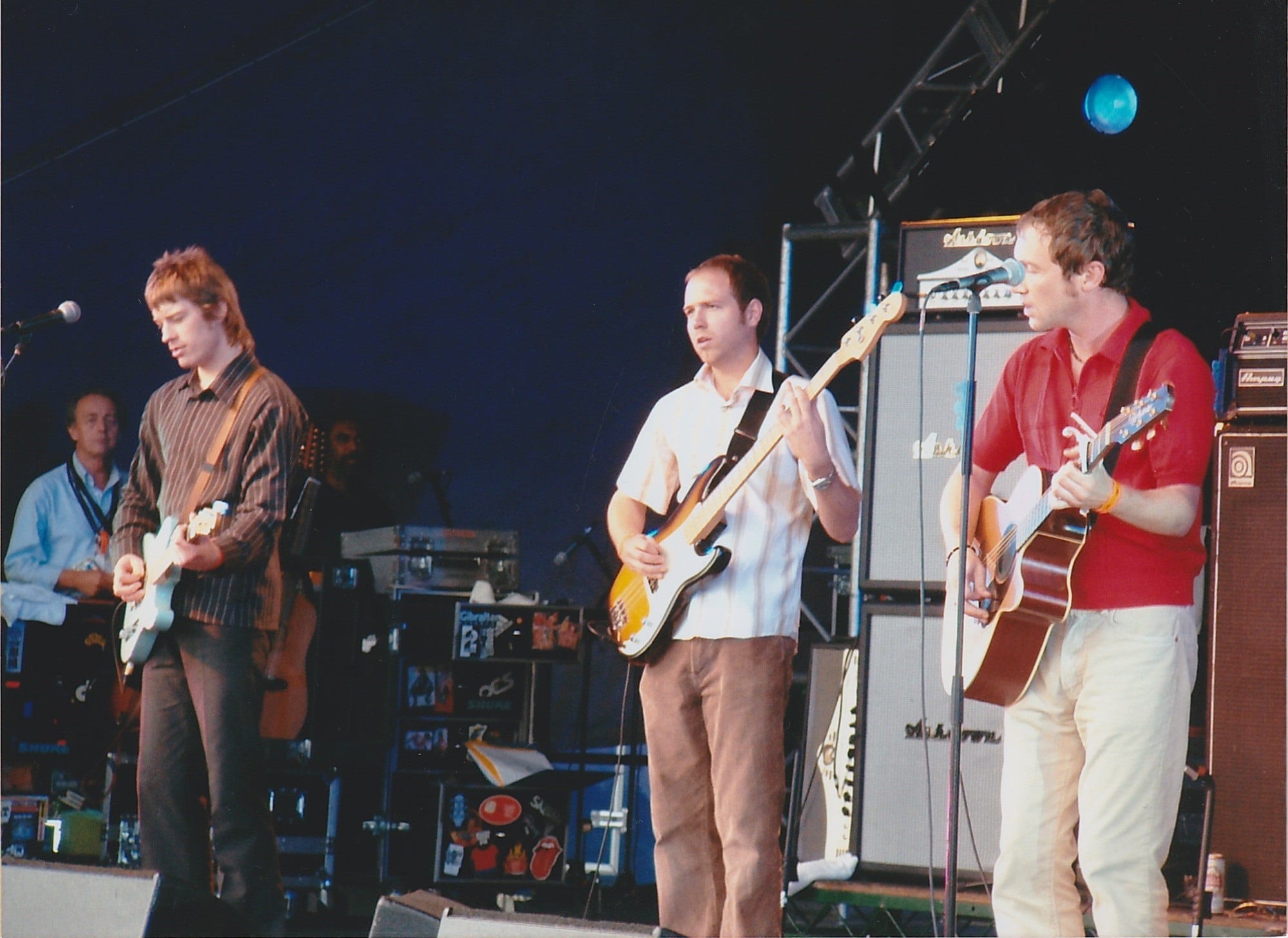
Ocean Colour Scene performing at Guilfest in 20042004 · Drew de F Fawkes · CC BY 2.0
The 2010s and 2020s brought both a minor revival, with bands like Viva Brother and DMA's drawing explicitly on 1990s Britpop, and a wave of reunions: Blur, Suede and Pulp all reformed between 2009 and 2011, and Pulp released a new album, More, in 2025 to widespread acclaim. The biggest moment came in 2024, when Oasis announced their reunion and a world tour for 2025, the Oasis Live '25 tour, which was credited with reviving interest in Britpop. Veterans of the scene remain split on what it all amounted to: Echobelly's Glenn Johansson remembered “a time when it literally felt cool to be British”; Kenickie's Emma Jackson said: “The Cool Britannia thing always felt very uncool.”
Blur started out indebted to Madchester and shoegaze, until a miserable 1992 US tour left Damon Albarn resenting American culture and missing England. The band turned to Kinks-style character songs and a self-consciously English songbook on Modern Life Is Rubbish (1993) and Parklife (1994), which entered the chart at number one and spent 90 weeks on it. Blur won four Brit Awards in 1995 and beat Oasis to number one that August with "Country House", then moved away from Britpop with the lo-fi, Pavement-influenced Blur (1997).
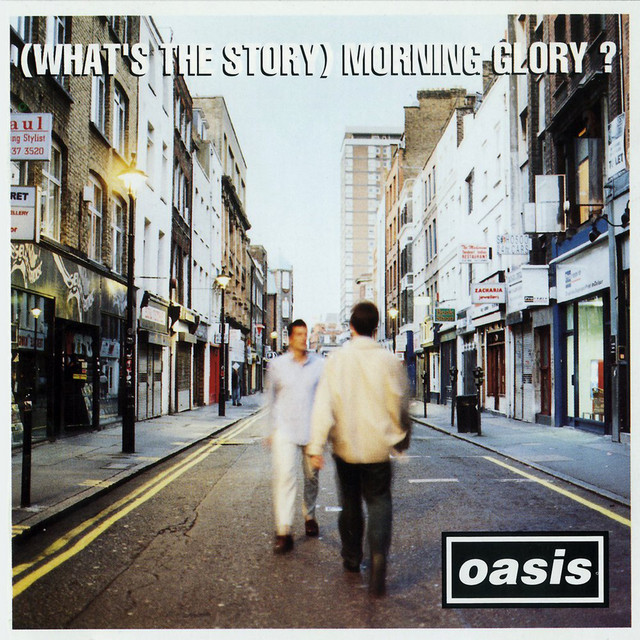
Oasis's debut, Definitely Maybe (1994), was the fastest-selling debut album in British history at the time. Noel Gallagher wrote the songs and Liam sang them, building a catalog steeped in the Beatles. (What's the Story) Morning Glory? (1995) spent ten weeks at number one and became the UK's best-selling album of the 1990s. In August 1996 they played two nights at Knebworth to 125,000 people a night, and in 1997 Be Here Now became the fastest-selling album in UK chart history.
Suede were on the cover of Melody Maker as "The Best New Band in Britain" before their first single was out, and their 1993 debut was the fastest-selling debut album in nearly a decade. The partnership between Brett Anderson and guitarist Bernard Butler broke down during the making of Dog Man Star, and Butler left before it was finished. With 17-year-old Richard Oakes on guitar, Coming Up (1996) became their biggest success, reaching number one and producing five top ten singles. A BBC Rock Family Trees film traced the scene's beginnings to a suburban house in Haywards Heath and called Suede "the band who – for better or worse – started it all".
1978-2002, 2011-2013, 2022-present · Sheffield, England
Jarvis Cocker had been running Pulp out of Sheffield since 1978, and the music papers noticed early: in 1986 Sounds called them a "new hard centre" in indie pop, and a Melody Maker live review heard "sudden drum rumbles and savage violin wails". None of it translated into hits until His 'n' Hers (1994) reached the top ten. "Common People" and Different Class then gave Cocker's sharp, literate eye for class and English embarrassment a mass audience, right as Britpop reached its commercial ceiling.
Justine Frischmann, an early member of Suede, formed Elastica in 1992 with drummer Justin Welch, who had also briefly played with Suede. Their reference points were British punk and 1970s new wave, Wire among them, more than the Kinks. Their 1995 debut album went to number one. Frischmann's relationship with Damon Albarn made tabloid headlines.
Gaz Coombes, Danny Goffey and Mick Quinn formed Supergrass in Oxford in 1993. Their first single, "Caught by the Fuzz", was about Coombes being arrested for cannabis possession at 15, and it was single of the week in both NME and Melody Maker in the same week. Their debut, I Should Coco (1995), reached number one, and "Alright" spent three weeks in the top three that summer, two of them at number two.
Louise Wener and Jon Stewart met at Manchester University and formed Sleeper in London. Opening for Blur on the Parklife tour tied them closely to Britpop, and their debut, Smart (1995), reached the top five.
Formed in Moseley, Birmingham, in 1989, Ocean Colour Scene spent the early 1990s in dispute with their label and on unemployment benefit. Paul Weller took them on tour in 1993 and hired guitarist Steve Cradock for his band; Noel Gallagher heard a demo and invited them to support Oasis in 1995.
John Power left the La's in December 1991 and formed Cast in Liverpool the following year. Their debut, All Change (1995), became the best-selling debut album in Polydor's history, and "Walkaway" played over the closing footage of the BBC's coverage of England's Euro 96 semi-final.
The Manic Street Preachers, from Blackwood, were the first major band to break through from the Welsh scene the press called "Cool Cymru", proof that Britpop's reach extended past London and Manchester. Their lyrics about "culture, alienation, boredom and despair" set them apart, and "Motorcycle Emptiness" (number 17 in 1992) and "A Design for Life" (number two in 1996) were their biggest singles of the period.
The Smiths' literate, melodic guitar pop of the 1980s is the influence most Britpop bands have in common. Before Bernard Butler joined, Suede's founders spent hours a day playing songs by Roxy Music, the Smiths, David Bowie and the Cure.
As figureheads of Madchester, the Stone Roses offered good times and catchy songs as an alternative to shoegazing and grunge, and their long silence in the early 1990s left a gap in British indie that grunge filled before Britpop arrived.
Ray Davies wrote English character songs in the 1960s that a generation of Britpop musicians, Blur most explicitly, drew on. Davies and XTC's Andy Partridge are sometimes called the "godfathers" of Britpop, a title Davies disputes.
Family tree
Who played with whom
The bands in this issue and the other bands their members were in.
What the people who made the scene said about it, in their words, with the interview each line came from.
Damon and I felt like we were in the thick of it at that point ... it occurred to us that Nirvana were out there, and people were very interested in American music, and there should be some sort of manifesto for the return of Britishness.
It went in at number one with the biggest first-week sales for a debut in a decade, won the Mercury Prize and is often cited as one of the first Britpop records.
Made under threat of being dropped by Food Records, this was Blur's turn toward British guitar pop in the line of the Kinks and the Small Faces, with brass, woodwind and backing vocalists. It only reached number 15, but the music press applauded its Anglocentric stance, and it opened the run that continued with Parklife and The Great Escape.
Oasis's debut went straight to number one in September 1994 and was, at the time, the fastest-selling debut album in British history. It was recorded twice, at Monnow Valley and then at Sawmills in Cornwall, before Owen Morris rescued it in the mix. The BPI has since certified it ten times platinum.
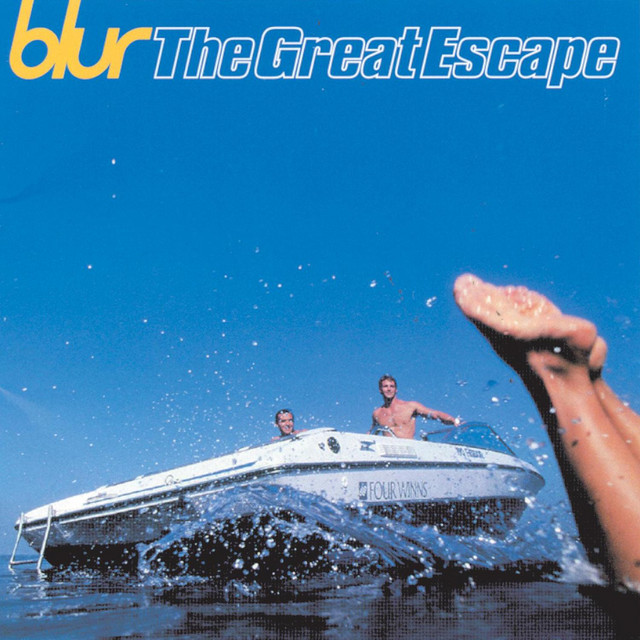
Released in September 1995, a month after "Country House" beat "Roll with It" to number one, The Great Escape entered the chart at number one and sold over a million copies in the UK. Opinion soon turned against Blur as Oasis's Morning Glory took over. Bassist Alex James later told the Guardian: "Blur won the battle, Oasis won the war, then Blur went on to win the whole campaign."
Different Class entered the UK chart at number one in November 1995 and won the 1996 Mercury Prize. It included four top ten singles, among them "Common People" and "Disco 2000", and had sold 1.33 million copies in the UK by 2020.
Bernard Butler left Suede before Dog Man Star was finished, and some tracks were completed with session musicians. It reached number three and slid quickly down the chart, and Rolling Stone called it "one of the most pretentious albums ever released by a major label". It has since been celebrated as one of rock music's great albums.
Released on Deceptive Records in March 1995, Elastica entered the chart at number one and became the fastest-selling debut since Definitely Maybe, a record it held until Arctic Monkeys in 2006. Its short, sharp songs owed more to Wire and the Stranglers than to the 1960s, closely enough that both bands' publishers sued and settled out of court. It was nominated for the Mercury Prize.
Supergrass's debut was recorded in Cornwall with producer Sam Williams and released by Parlophone in May 1995. It was the label's best-selling debut album since the Beatles' Please Please Me, spent three weeks at number one that summer and was nominated for the Mercury Prize. Its single "Alright" reached number two.
Suede entered the UK chart at number one in April 1993 with the biggest first-week sales for a debut since Frankie Goes to Hollywood's Welcome to the Pleasuredome a decade earlier, and won that year's Mercury Prize. It followed three singles, "The Drowners", "Metal Mickey" and "Animal Nitrate", that had made Suede the most written-about new band in Britain. It is often cited as one of the first Britpop records.
Parklife entered the UK chart at number one and spent 90 weeks on it, helped by four hit singles, starting with the disco-influenced "Girls & Boys". It won Best British Album at the 1995 Brit Awards, ahead of Definitely Maybe, and is regarded as one of Britpop's defining records.
Released on 2 October 1995, six weeks after Blur had beaten Oasis in the singles chart, Morning Glory sold 345,000 copies in its first week, spent ten weeks at number one and became the UK's best-selling album of the 1990s. It gave Oasis "Wonderwall" and "Don't Look Back in Anger", and their breakthrough in the US.
The labels
Who put it on record
Food Records
London · founded 1984 · David Balfe, Andy Ross
Signed Blur in March 1990, having disliked the band's original name Seymour and supplied the list of alternatives from which Blur picked their new name. Food, working with EMI's Parlophone, released Modern Life Is Rubbish, Parklife and The Great Escape, the run of albums that made Blur the scene's most visible standard-bearers.
Creation Records
London · founded 1983 · Alan McGee, Dick Green, Joe Foster
Alan McGee saw Oasis open at King Tut's Wah Wah Hut in Glasgow in May 1993 and offered them a contract, and Creation signed them that year. Creation released Definitely Maybe, which became the fastest-selling debut album in British history at the time, though the band's worldwide deal was with Sony, which licensed Oasis to Creation in the UK.
CRE CD 169 Definitely Maybe
Nude Records
London · founded 1991 · Saul Galpern
Released Suede's self-titled debut, which entered the chart at number one in 1993, became the fastest-selling debut album in nearly a decade and won the Mercury Prize, and later released Dog Man Star.
NUDE 1CD Suede · NUDE 3CD Dog Man Star
Parlophone
London · Tony Wadsworth
Released Blur's Modern Life Is Rubbish and Supergrass's I Should Coco, the latter the label's best-selling debut album since the Beatles' Please Please Me. Parlophone's Tony Wadsworth was involved in the decision, alongside Food and Blur's camp, to release 'Country House' on the same day as Oasis's 'Roll with It'.
0777 7 89442 2 5 Modern Life Is Rubbish · 7243 8 33350 2 2 I Should Coco
The gear
What made the sound
drum machine
drum machine
Early Suede played live to an unreliable drum machine before they found a drummer, Simon Gilbert, in June 1990.
Chronology
1978 to 2024
16 dates that shaped it.
1978
1978: Pulp formed in Sheffield
A 15-year-old Jarvis Cocker forms the band, first called Arabicus and then Arabicus Pulp, at the City School in Sheffield. Pulp's first top ten album is still sixteen years away.
1988
1988: Blur form as Seymour
Damon Albarn, Graham Coxon, Alex James and Dave Rowntree form Seymour in London, renamed Blur when Food Records signs them in 1990.
1989
1989: Suede form in London
Brett Anderson and Justine Frischmann, who met at University College London, start a band with Anderson's childhood friend Mat Osman and find guitarist Bernard Butler through an NME classified ad. With Butler, they become Suede.
1991
1991: Oasis form in Manchester
Liam Gallagher joins a band called the Rain and renames it Oasis. Their first gig is at the Boardwalk in Manchester on 14 August 1991; Liam's older brother Noel, who watched that gig, then joins on condition that he is the sole songwriter and leader.
1991: James's 'Sit Down' hits number two
The Madchester band's singalong, which Flavorwire later said "presaged the quintessentially British sound that would explode in the '90s".
1992
1992: Melody Maker crowns Suede 'The Best New Band in Britain'
Suede appear on the cover of Melody Maker's 25 April issue before their first single is released.
1992: 'Popscene' and 'The Drowners' released
Blur's fourth single and Suede's debut single arrive in the spring, the moment the author John Harris identifies as Britpop's starting point.
1993
1993: Select's 'Yanks go home!' cover
Select magazine puts Brett Anderson on its April cover against a Union Flag, with features on Suede, Pulp, the Auteurs, Denim and Saint Etienne, helping start the idea of an emerging movement.
1993: Alan McGee sees Oasis at King Tut's Wah Wah Hut
Creation Records' co-owner sees Oasis open in Glasgow in May and offers them a recording contract; they sign several months later.
1994
1994: Parklife and Definitely Maybe released
Blur's Parklife, released in April, enters the chart at number one. In August, Oasis's debut becomes the fastest-selling debut album in British history at the time.
1995
1995: The Battle of Britpop
Blur's 'Country House' and Oasis's 'Roll with It' are released on the same day, 14 August, in a chart race framed as North against South. 'Country House' wins the week, 274,000 copies to 216,000.
1995: Pulp release Different Class
Pulp's album, with 'Common People' on it, enters the UK chart at number one in November and wins the Mercury Prize the following year.
1996
1996: Oasis play Knebworth
On 10 and 11 August, Oasis play to 125,000 people each night, the largest outdoor concerts in UK history at the time.
1997
1997: Noel Gallagher at Downing Street
Noel Gallagher attends a media party at 10 Downing Street hosted by the new prime minister, Tony Blair. Liam Gallagher and Damon Albarn decline their invitations.
1997: Be Here Now becomes fastest-selling UK album
Oasis's third album sells 696,000 copies in its first week, a record that stood until Adele's 25 in 2015. The critic Jon Savage later pinpointed it as the moment Britpop ended.
2024
2024: Oasis announce reunion
Almost 15 years after their 2009 split, the Gallagher brothers announce a 2025 world tour, credited with reviving interest in Britpop.
Stories
The stories behind it
5 moments, told in full.
1
The Ad That Found Bernard Butler
In its 28 October 1989 issue, NME carried a classified ad from the band Brett Anderson, Justine Frischmann and Mat Osman had started: “Young guitar player needed by London-based band. Smiths, Commotions, Bowie, Pet Shop Boys. No Musos. Some things are more important than ability. Call Brett.” Neither Anderson nor Frischmann thought they could play lead guitar. A 19-year-old named Bernard Butler answered and auditioned, and with him in the band they changed their name to Suede. They still had no drummer and played to an unreliable drum machine.
A second ad brought a surprise reply from the former Smiths drummer Mike Joyce, who turned the job down because he felt Suede needed to forge their own identity and that, given how much they already resembled the Smiths, his presence might hold them back. In June 1990 they found Simon Gilbert through Ricky Gervais, who worked with Gilbert at the University of London Union and managed the band for a while before he turned to comedy.
2
The Night Alan McGee Found Oasis
In May 1993, Oasis and a group of friends hired a van and drove to Glasgow to play King Tut's Wah Wah Hut. Sister Lovers, who shared their rehearsal rooms, had invited them, but Oasis were not on that night's bill and were refused entry. The band and McGee have given contradicting accounts of how they got in, but they ended up with the opening slot. Alan McGee, co-owner of Creation Records, was there to see 18 Wheeler and Sister Lovers, whose Debbie Turner was a friend from his Haçienda days. He was impressed enough to offer Oasis a recording contract, though they did not sign for several more months. In the end they signed a worldwide deal with Sony, which licensed the band to Creation in the UK.
Oasis performing in Montreal, Quebec, Canada in 20022002 · Nesnad · CC BY-SA 4.0
3
Moving the Date
Food Records' Andy Ross said Blur's camp had spent six months trying to keep the two bands' singles apart: “The plan, if there was a plan, was that Oasis would have a Number One then we would, or vice-versa, and they wouldn't clash.” Then Oasis brought “Roll with It” forward by “something like six weeks”. Ross, Albarn and Parlophone's Tony Wadsworth reasoned that releasing a week later would mean facing a new number one with all its exposure, so “Country House” went out on the same day.
After the result, Oasis's management argued that “Country House” had sold more because it was cheaper (£1.99 against £3.99) and came in two versions with different B-sides, and Creation said a barcode problem on the “Roll with It” case had stopped some sales being counted. Graham Coxon found Blur's win a “hollow, pointless victory”. At the record company's champagne party at Soho House, he told the Daily Mail in 2009, he tried to jump out of a sixth-story window, and it was Albarn who talked him out of it. The producer Stephen Street remembered it differently: Coxon “threatened to jump out the window. It was a kind of joke, like 'Get me out of this place'.”
4
Jarvis Cocker's Wheelchair
In November 1985, years before Pulp found any mainstream success, Jarvis Cocker fell out of a window while trying to impress a girl with a Spider-Man impression. The fall landed him in hospital and temporarily in a wheelchair, which he used onstage at Pulp gigs. Pulp spent more than a decade going through lineup changes, an album (Freaks, 1987) recorded in one week on a £600 budget, and repeated commercial disappointment before “Common People” made them stars.
Blur at Wembley Stadium, July 20232023 · Raph_PH · CC BY 2.0
5
Banned for a Wrap
When Pulp released the double A-side single “Sorted for E's & Wizz”/“Mis-Shapes” ahead of Different Class in 1995, its inlay showed how to conceal amphetamines in a DIY “wrap”. The Daily Mirror ran a front-page story headlined “BAN THIS SICK STUNT”, calling the song “pro-drugs”. Jarvis Cocker issued a statement two days later: “'Sorted' is not a pro-drugs song. Nowhere on the sleeve does it say you are supposed to put drugs in here but I understand the confusion.” The single still reached number two on the UK chart.
I was there
From readers who were there
Were you part of Britpop? Tell us what it was like.
Places
Where it happened
The rooms, clubs and studios, and the cities around them.
MadchesterThe Stone Roses, Happy Mondays, James and Inspiral Carpets' emphasis on good times and catchy songs was an immediate root of Britpop; Noel Gallagher worked as a roadie for Inspiral Carpets before joining Oasis.
ShoegazeBritpop emerged partly as a reaction against shoegaze's introspection, though both grew out of the same London social scene around the Syndrome club on Oxford Street, which Melody Maker dubbed "The Scene That Celebrates Itself".
GrungeAmerican grunge's dominance in the early 1990s was a direct provocation for Britpop's Anglocentric turn, especially for Blur after their 1992 US tour.
Post-BritpopTravis, Stereophonics and particularly Coldplay built on Britpop's guitar-pop foundation while adopting more introspective lyrics and international ambitions.
Post-punk/garage rock revivalEarly-2000s bands like the Libertines, Kaiser Chiefs and Arctic Monkeys were viewed by some critics as a 'second wave' of Britpop, drawing more on punk and post-punk than 1960s pop.
A documentary tracing Oasis's formation and rapid rise, a central story within the Britpop years.
Spot an error? Tell us, with a source if you have one.
How this issue was made
Drafted with AI assistance from the 30 sources listed below (7 publications and archives), then checked claim by claim against them by a separate review. Dates and names the sources couldn't support were cut. The 6 quotations in "In their own words" were each matched word for word against the interview they link to. Release details for 8 records come from MusicBrainz. All 12 photographs are Creative Commons or public domain, credited where they appear. Last revised October 20, 2018.
Buying the records, from the labels or from Bandcamp where the artists sell there, is what pays the people who made them.
Notes and sources
Madchester as an immediate root of Britpop; Noel Gallagher as Inspiral Carpets roadie; 'Sit Down' at number two and Flavorwire's comment; 'There She Goes' (1988) as a 'founding piece of Britpop's foundation' (Rolling Stone); 'Oasis want to finish what The La's started'. en.wikipedia.org
John Harris dates Britpop to the spring 1992 releases of 'Popscene' and 'The Drowners'; Select's April 1993 'Yanks go home!' cover and its features; Camden as the scene's center and Melody Maker's 'Camden is to 1995' line; 'Noelrock'. en.wikipedia.org
Suede's formation, the 28 October 1989 NME ad, Butler, the drum machine, Mike Joyce, Simon Gilbert via Ricky Gervais; Melody Maker cover of 25 April 1992; debut's sales and Mercury Prize; Dog Man Star and Coming Up. en.wikipedia.org
Suede debut: biggest first-week sales for a debut since Welcome to the Pleasuredome; often cited as one of the first Britpop records. en.wikipedia.org
Dog Man Star: Butler left before completion, session musicians, number three, Rolling Stone's 'pretentious' line; Kele Okereke on the album. en.wikipedia.org
Cool Britannia mood of 1996; Miki Berenyi, Andy Bell, Luke Haines, Glenn Johansson, Emma Jackson; Jarvis Cocker and Daniel Rachel's book. vice.com
Noel Gallagher at the 1997 Downing Street party; Liam Gallagher and Damon Albarn declined ('Enjoy the schmooze, comrade'); Noel's condition for joining Oasis. en.wikipedia.org
Blur's formation as Seymour, Food Records signing, the 1992 US tour and Albarn's 'English atmosphere' quote, Parklife's 90 weeks on the chart, four 1995 Brits, Blur (1997). en.wikipedia.org
Stephen Street on Blur's confidence after Parklife; Johnny Hopkins on keeping Oasis away from Britpop and the Good Mixer; John Harris on the 1995 Brit Awards; Steve Sutherland on the NME Awards; Andy Ross on the release dates; Tim Burgess's 'flatpack' line. nme.com
Liam's 'Number fuckin' One!' and Albarn's reply; Albarn's 'bullies' quote; McGee on 'Digsy's Dinner'; the 'Country House' video; Noel on 'Roll with It'; chart result announced 20 August; Alex James's 'battle/war/campaign' quote; Graham Coxon's 'hollow, pointless victory'. radiox.co.uk
Oasis formation from the Rain, first gig at the Boardwalk, Noel's barre-chord approach, King Tut's Wah Wah Hut, Sony/Creation deal, Oasis management's price and formats complaint, the Observer comment and apology, Knebworth, Be Here Now first-week sales. en.wikipedia.org
'Country House' at number one and 'Roll with It' at number two, chart week 20-26 August 1995. officialcharts.com
Pulp's formation at the City School, Freaks on a £600 budget, His 'n' Hers, Glastonbury 1995, 'Sorted for E's & Wizz' and the Daily Mirror. en.wikipedia.org
Early press on Pulp in Sounds and Melody Maker (1986); Stuart Maconie on 'Countdown'; Cocker on Brel, Scott Walker and Bacharach. rocksbackpages.com
BBC Rock Family Trees: The Birth of Cool Britannia, its Haywards Heath framing and its description of Suede. theafterword.co.uk
Elastica's formation by ex-Suede members, Wire and Stranglers plagiarism settlements, debut's sales record. en.wikipedia.org
Supergrass's formation, 'Caught by the Fuzz', I Should Coco as Parlophone's best-selling debut since Please Please Me. en.wikipedia.org
I Should Coco: recorded in Cornwall with Sam Williams, released 15 May 1995, Mercury nomination, 'Alright' at number two. en.wikipedia.org
I Should Coco at number one, chart weeks from 23 July 1995. officialcharts.com
Sleeper's formation, Blur support slot, The It Girl, 'Atomic' in Trainspotting. en.wikipedia.org
Ocean Colour Scene's early years, Paul Weller, Oasis support, Knebworth, Moseley Shoals. en.wikipedia.org
Cast's formation by John Power after the La's, All Change as Polydor's best-selling debut, Noel's 'religious experience'. en.wikipedia.org
Manic Street Preachers as the first major Cool Cymru band; chart positions of 'Motorcycle Emptiness' and 'A Design for Life'. en.wikipedia.org
Modern Life Is Rubbish: Food Records threat, Kinks and Small Faces influences, brass and woodwind, David Cavanagh's 'Ray Davies characterisation'. en.wikipedia.org
Definitely Maybe: release date and recording at Monnow Valley, Sawmills and with Owen Morris. en.wikipedia.org
Morning Glory: release date, 345,000 first-week sales, ten weeks at number one, best-selling UK album of the 1990s. en.wikipedia.org
Different Class: release, number one, 1996 Mercury Prize, four top ten singles, 1.33 million UK sales. en.wikipedia.org
Cocker's November 1985 fall from a window and the wheelchair he used onstage. en.wikipedia.org
Opinion turning against Blur after Morning Glory; Blur's 2023-2024 reunion. en.wikipedia.org
Definitely Maybe certified ten times platinum by the BPI. en.wikipedia.org
Parklife at number one on the chart of 1 May 1994; 'Common People' at number two from 28 May 1995; 'Alright' in the top three for three weeks from 9 July 1995. officialcharts.com
Manic Street Preachers' lyrics about 'culture, alienation, boredom and despair'. en.wikipedia.org
Post-Britpop, the garage rock revival and the 2010s-2020s revival and reunions. en.wikipedia.org
Stephen Street on Graham Coxon at the Soho House party: 'It was a kind of joke'. nme.com
Photographs
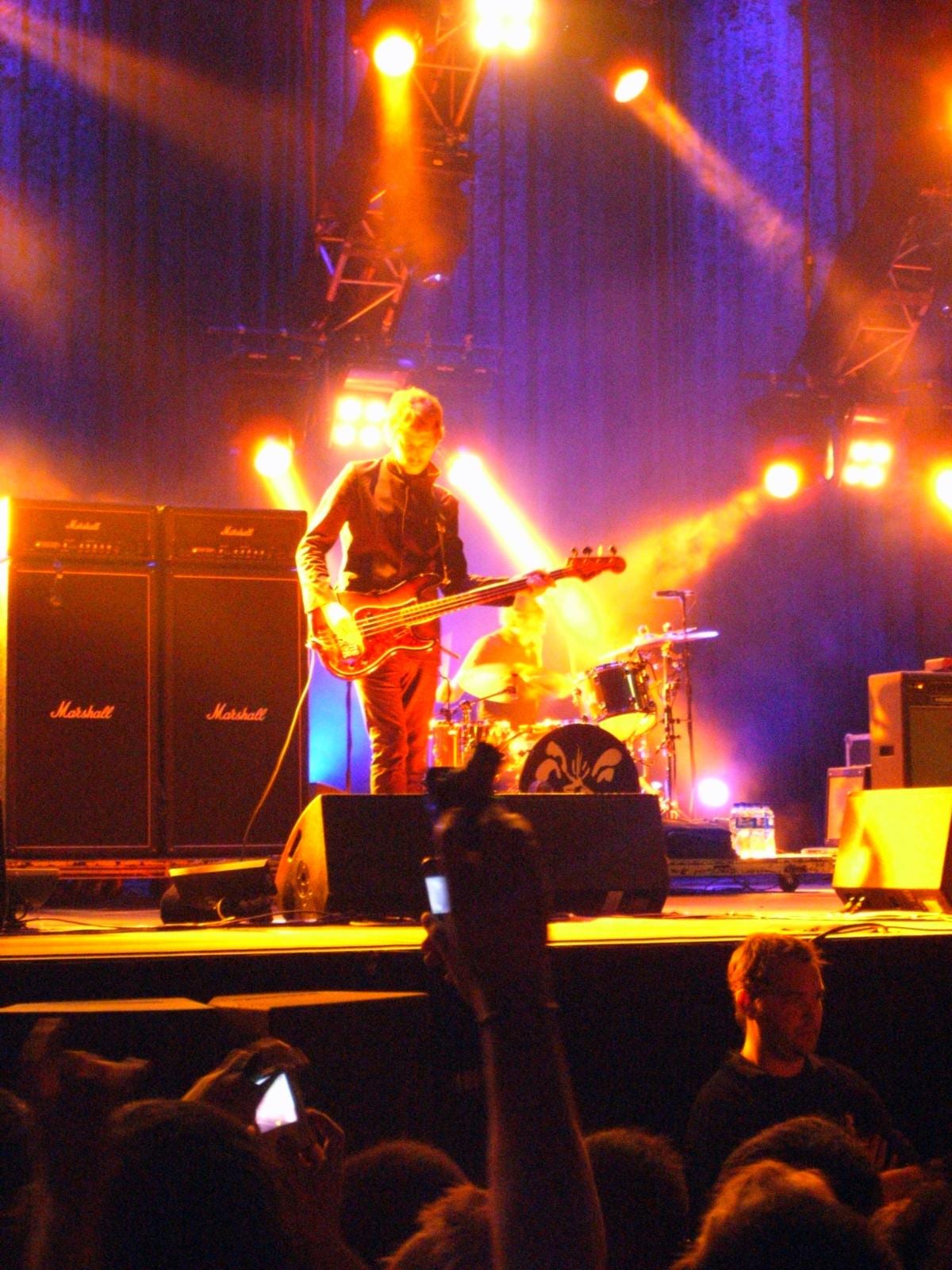
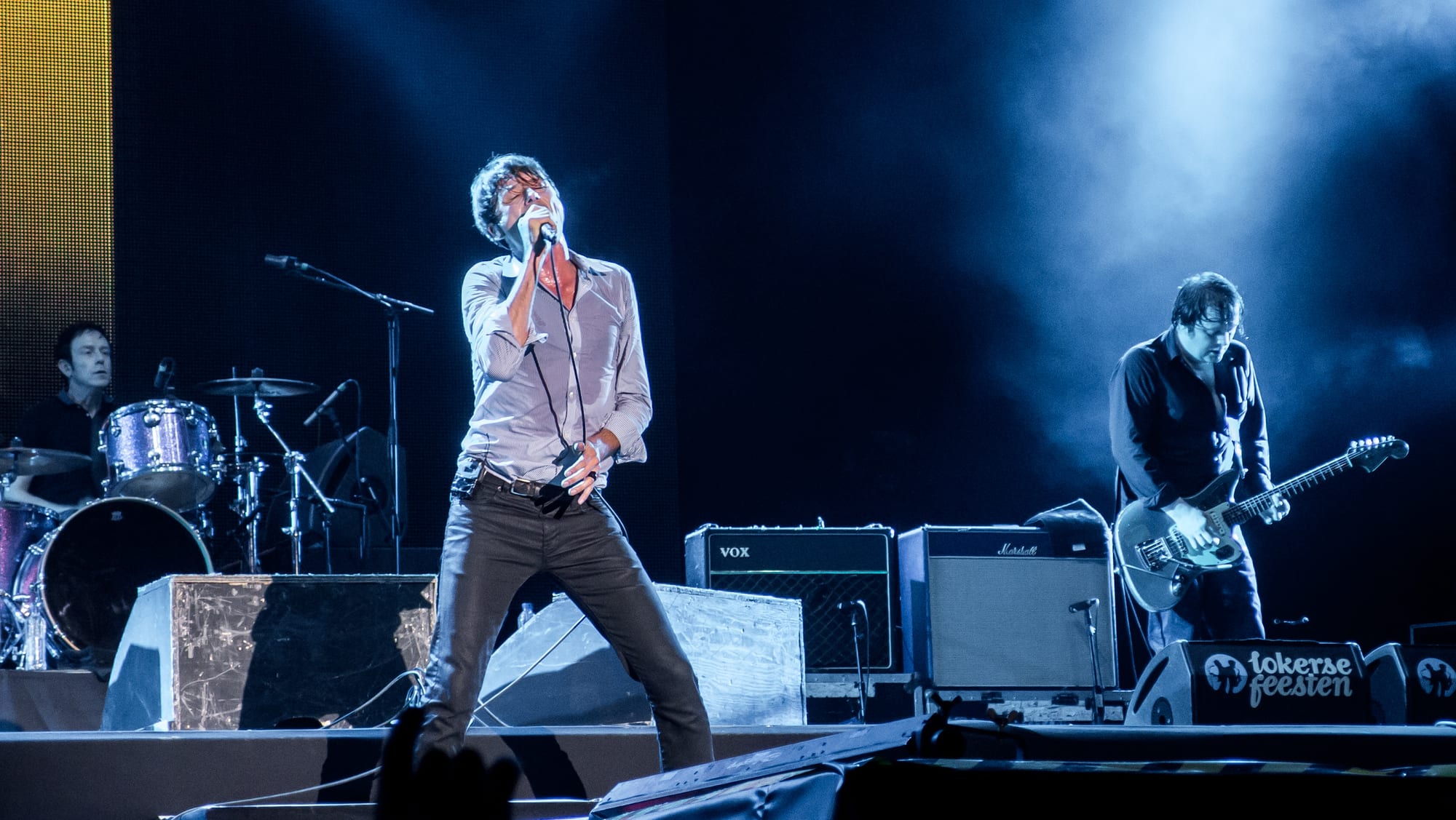
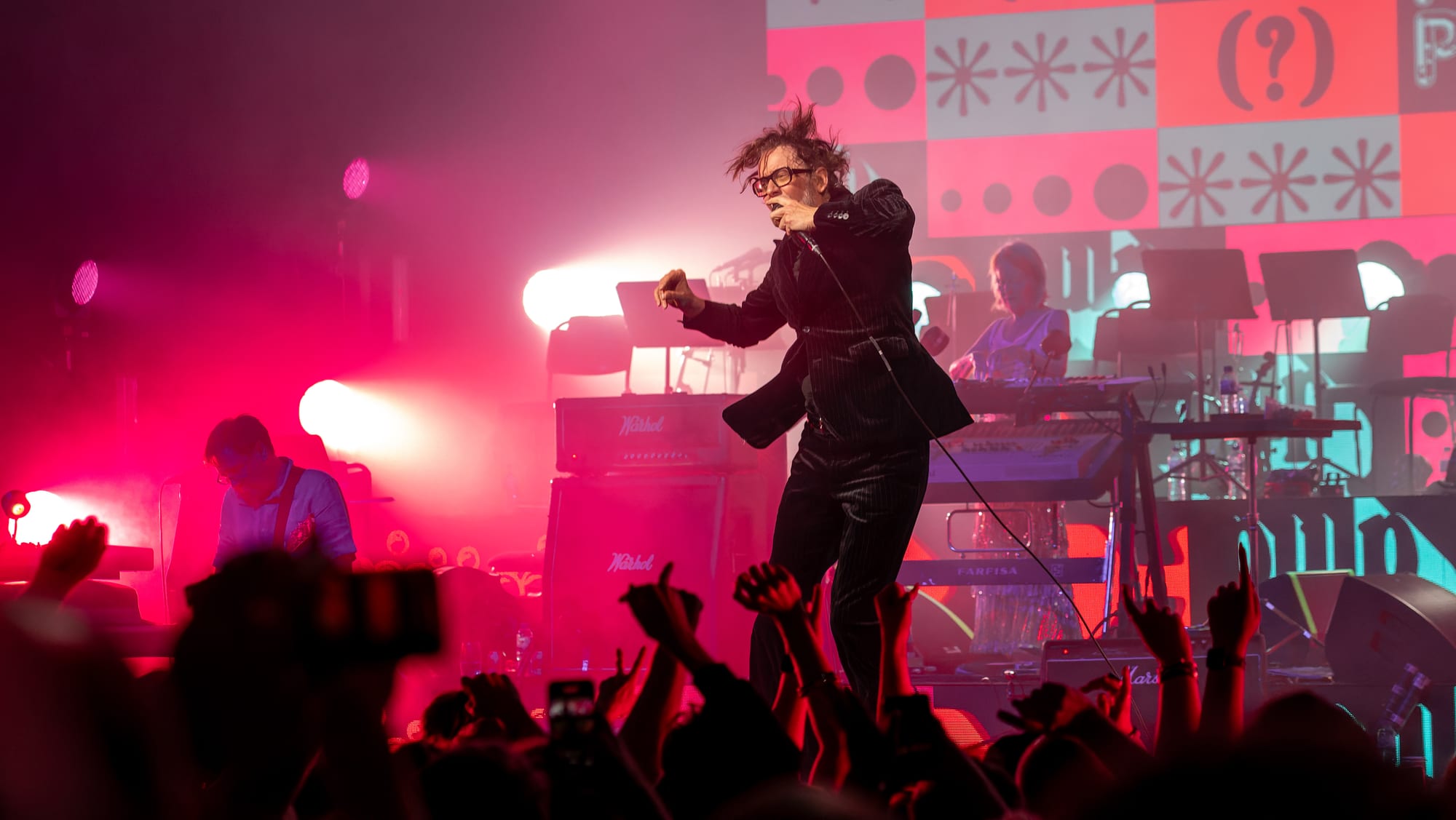
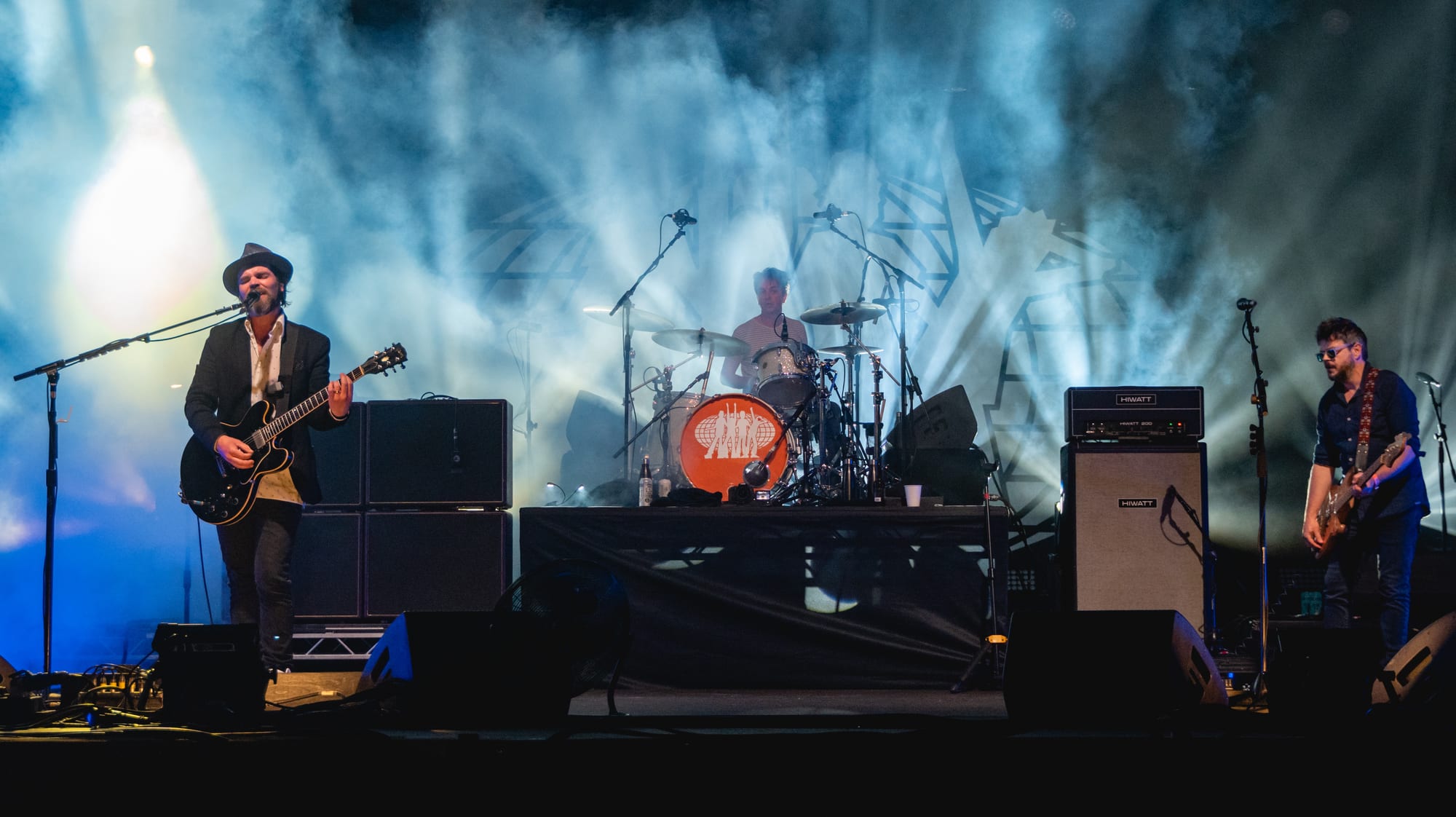
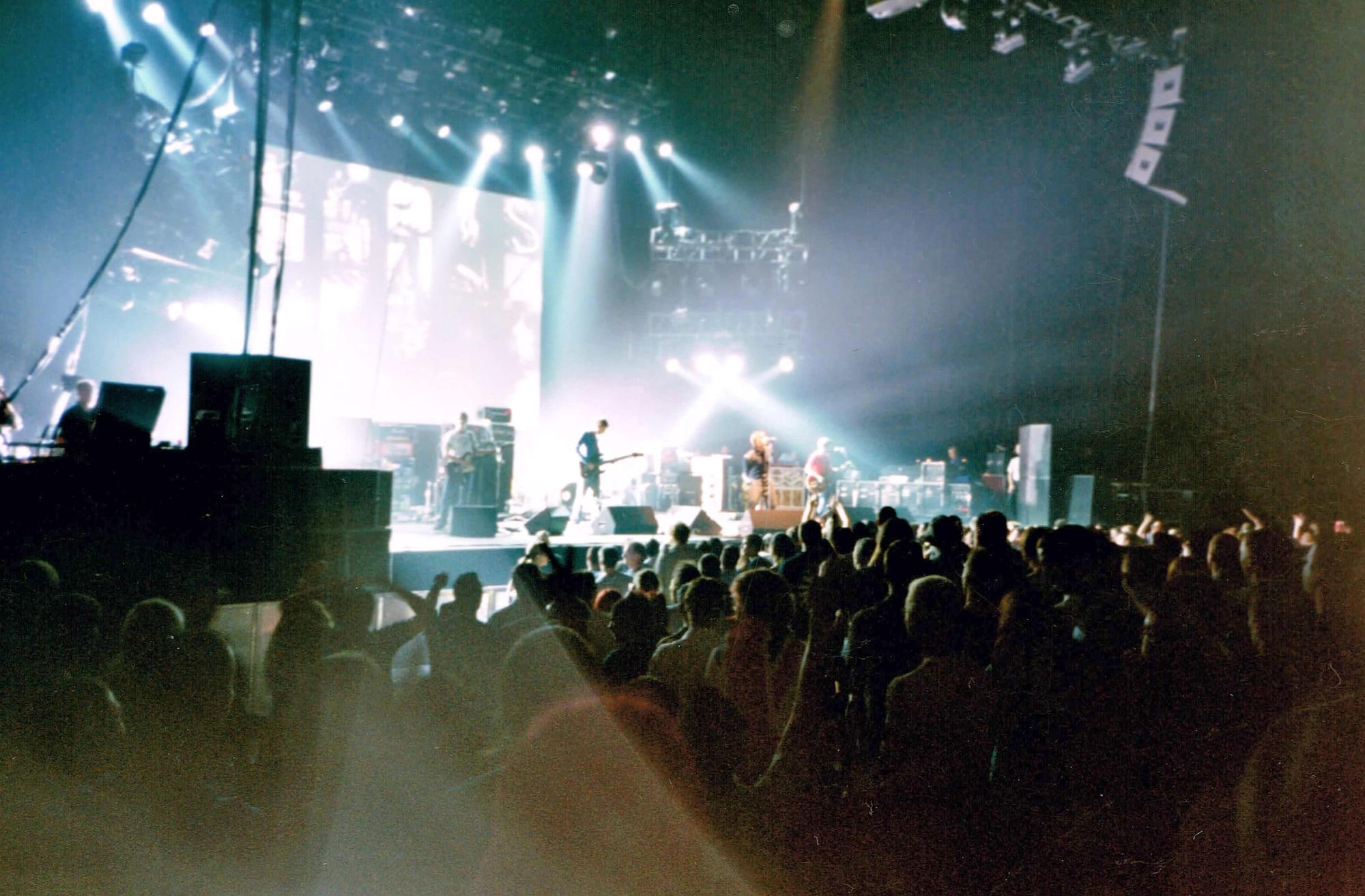
Supergrass. Raph_PH · CC BY 2.0
Blur. Raph_PH · CC BY 2.0
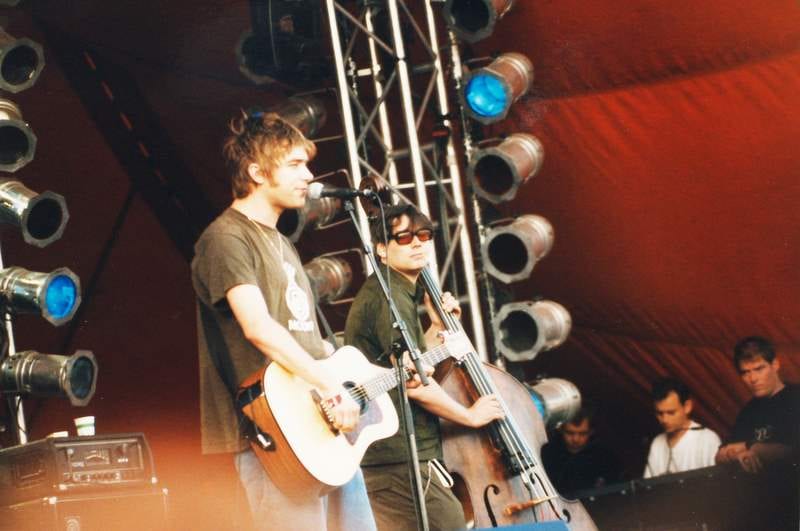
Blur. Hunter Desportes · CC BY 2.0
Oasis. Jase Lam · CC BY-SA 2.0
Suede. Ed Webster · CC BY 2.0
Pulp. Raph_PH · CC BY 2.0
the Kinks. Photographer: Anonymous. Publisher: The State Register-Journal newspaper · Public domain
the Smiths. Paul Cox; Distributed by Sire Records · Public domain
Manic Street Preachers. Masao Nakagami · CC BY-SA 2.0

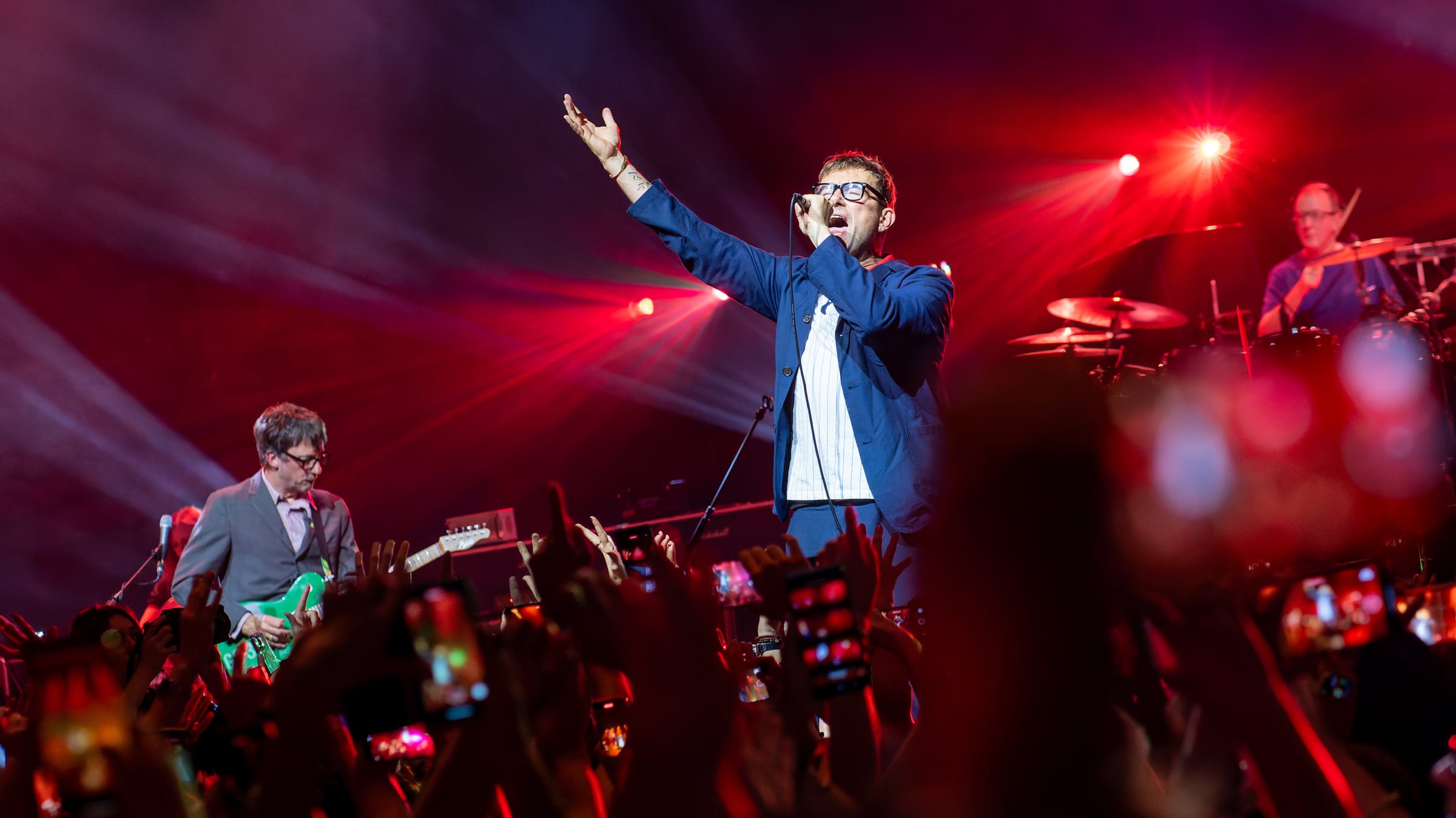
 Hunter Desportes · CC BY 2.0