Kingston
Kingston appears in 5 Songsheets issues: 70s Dub Reggae, Early New York Hip-Hop, Jamaican Dancehall, Reggaeton and 2 Tone. 19 artists in the archive came from here, including King Tubby, Lee 'Scratch' Perry and Augustus Pablo. Key places include King Tubby's Studio, The Black Ark Studio and Treasure Isle Studio. The issues date 5 events here, from 1958 to 1989.
The birthplace of reggae, ska, rocksteady, and dub. Home to Studio One, King Tubby's studio, and Channel One, Kingston's sound system culture shaped modern music production.
Scenes
Artists from Kingston
- King Tubby
He was born Osbourne Ruddock on January 28, 1941, and raised in central Kingston, in a lane so overcrowded and short on amenities that his mother eventually moved the family to a modest bungalow on Dromilly Avenue in Waterhouse, part of a low-income housing scheme built after Hurricane Charlie.
- Lee 'Scratch' Perry
Born Rainford Hugh Perry in 1936 in Kendal, Hanover, he grew up on Louis Jordan boogie-woogie and yank before ska, rocksteady, and reggae came into view.
- Augustus Pablo
Born Horace Swaby, he attended Kingston College in the late 1960s alongside Clive Chin and Tyrone Downie.
- Scientist
Born Hopeton Brown, he came up as King Tubby's protégé and carried dub into the 1980s with albums built around science fiction, horror movies, and space travel.
- DJ Kool Herc
Clive Campbell was born in Kingston, Jamaica, and spent his early childhood in Trenchtown, on Second Street, a few doors from where Bob Marley grew up on First.
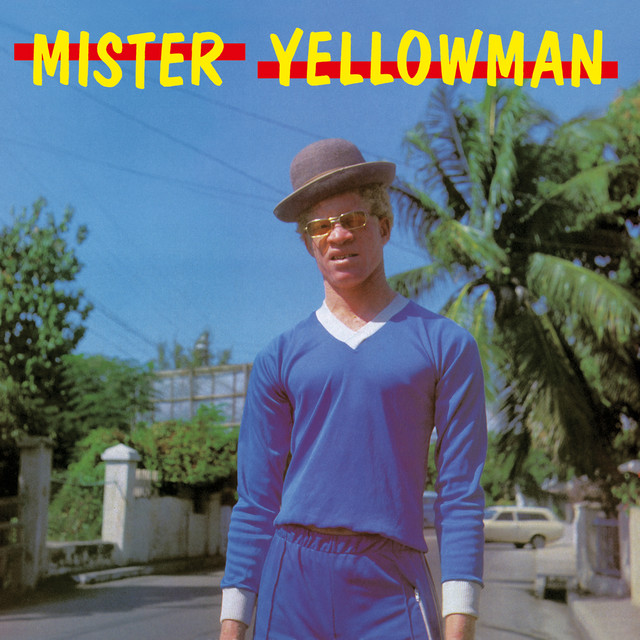
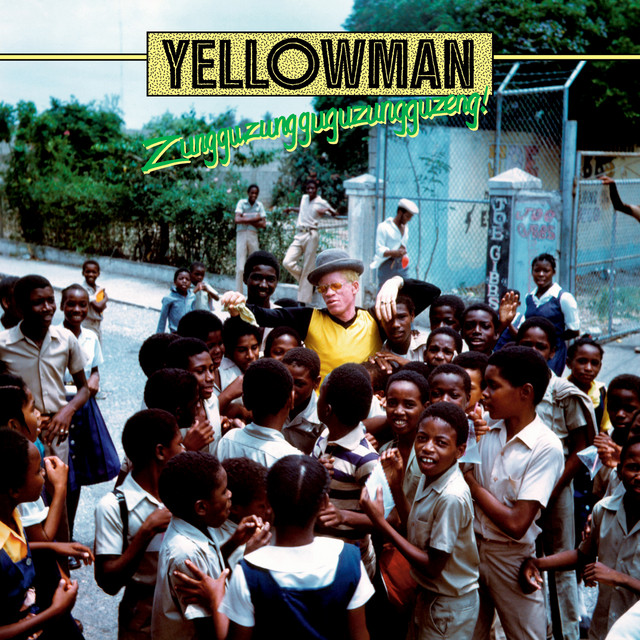
- Yellowman
Winston Foster was born in Kingston in 1956 (some sources say 1959) with albinism, abandoned by his parents and raised through a string of institutions, first Maxfield Children's Home, then the famous Alpha Boys School.
- King Jammy
Lloyd James grew up on the same Waterhouse street as King Tubby around 1959, watching the older engineer work and picking up the trade by proximity.
- Wayne Smith
A young singer out of Waterhouse, Smith was sixteen when he voiced the original "Under Mi Sleng Teng," a session that ended up triggering dancehall's digital revolution almost by accident.
- Beenie Man
Beenie Man dominated dancehall through the late nineties and 2000s, scoring crossover hits like "Girls Dem Sugar" and carrying the genre into mainstream pop through collaborations with artists including Mya.
- Vybz Kartel
Vybz Kartel became dancehall's most influential figure of the 2010s, bringing a rap-inflected lyricism and a production sensibility that pushed the genre in new directions.
- Sean Paul
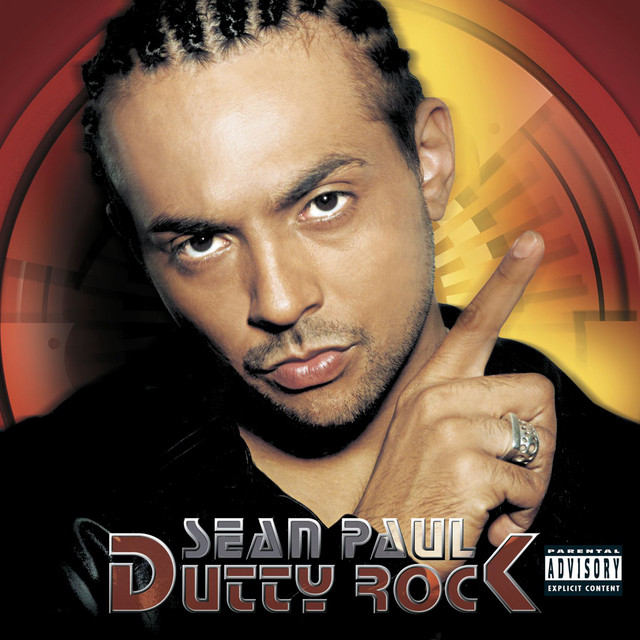
Sean Paul carried dancehall to global pop dominance in the 2000s with hits like "Get Busy" and "Temperature," building a more melodic, radio-tuned version of the genre that topped charts worldwide.
- Buju Banton
Buju Banton broke through in the early nineties with an aggressive deejay style and a cadence darker and rougher than most of his peers, before turning toward conscious roots reggae later in his career.
- Bunny Lee
Born Edward O'Sullivan Lee, he was present for the accident that started it all: at Treasure Isle in 1968, engineer Byron Smith left the vocals off a dub plate of the Paragons' "On The Beach," and the dancehall crowd went wild for it anyway.
- Errol Thompson
As house engineer at Randy's Studio 17 and later Aquarius Studio, Thompson helped pioneer dub alongside King Tubby and Lee Perry, though his instincts ran cleaner and less chaotic than either.
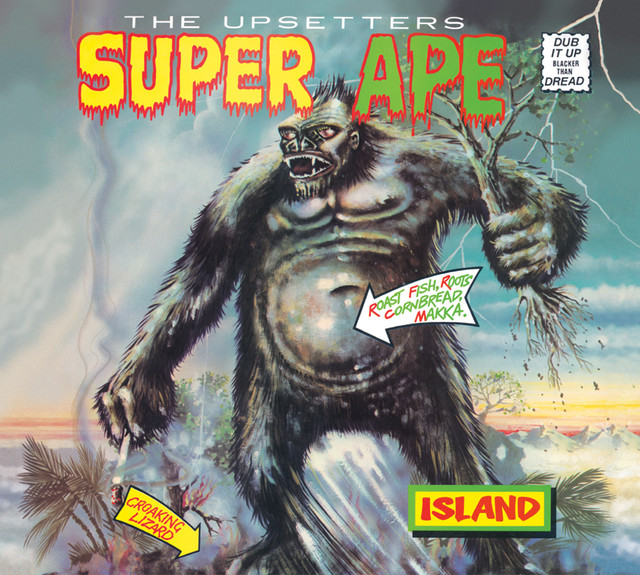
- The Upsetters
Lee Perry's house band from 1968 to 1972 included the Barrett brothers, Aston "Family Man" on bass and Carlton on drums, along with a rotating cast of session players who built the rhythmic bedrock Perry would later tear apart and reassemble.
- Steely & Clevie
Wycliffe Johnson and Cleveland Browne, the Jamaican production team known as Steely & Clevie, built the Poco Man Jam riddim in Kingston that became the rhythmic ancestor of the dembow pattern.
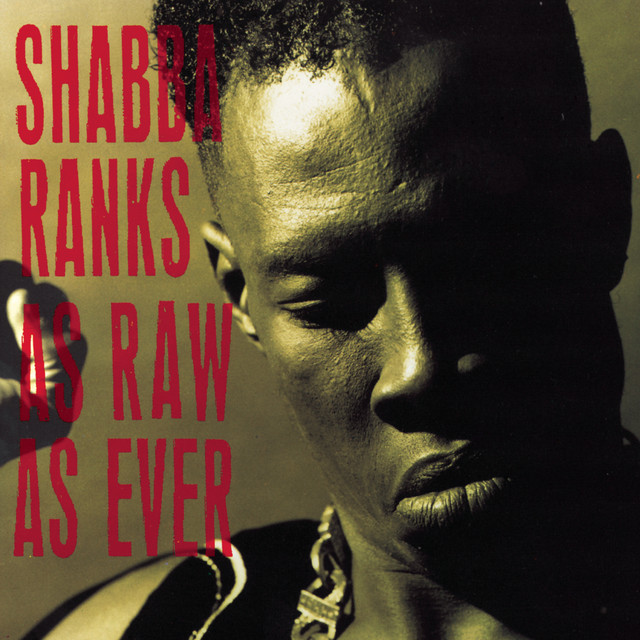
- Shabba Ranks
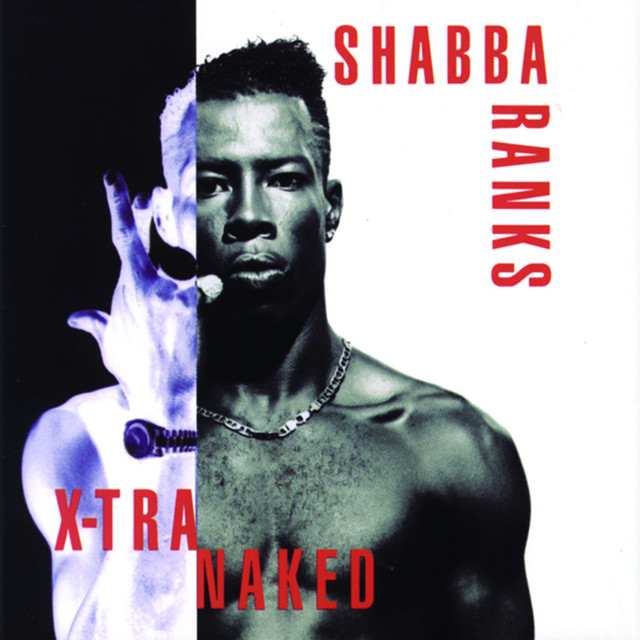
Rexton Gordon rose from Seaview Gardens to become dancehall's biggest crossover success of the early nineties, winning back-to-back Grammys for Best Reggae Album with As Raw as Ever (1991) and X-tra Naked (1992).
- Rico Rodriguez
Born in Havana in 1934 and raised in Kingston, Rico Rodriguez learned the trombone from Don Drummond at the Alpha Boys School and recorded for producers including Prince Buster.
- Prince Buster
Born Cecil Campbell on Orange Street in Kingston in 1938, Prince Buster recorded "Madness" (1963), "One Step Beyond" and "Al Capone" (1964) among many 1960s ska records.
Places
- King Tubby's Studio1971-1989 · 70s Dub Reggae
Located on Drumalie Avenue in the Waterhouse district, Tubby's home studio was the birthplace of dub music where he developed revolutionary mixing techniques using a 4-track mixer and custom-built equipment.
- The Black Ark Studio1973-1978 · 70s Dub Reggae
Lee 'Scratch' Perry's legendary backyard studio in Washington Gardens produced some of reggae and dub's most innovative recordings despite its basic 4-track setup, until it burned down in 1978.
- Treasure Isle Studio1965-1974 · 70s Dub Reggae
Duke Reid's studio where the accidental birth of dub occurred in 1968 and where King Tubby worked as a disc cutter, developing the foundational techniques of the genre.
- Randy's Studio 171968-1982 · 70s Dub Reggae
Located at 17 North Parade, this studio produced countless reggae and dub classics and was where many producers including Bunny Lee created their most influential recordings.
- Channel One Studio1972-present · 70s Dub Reggae
The Hoo Kim brothers' studio became a dub powerhouse in the mid-1970s, with resident engineers Scientist and Prince Jammy creating revolutionary dub mixes using the studio's state-of-the-art mixing board.
- Joe Gibbs Recording Studio1967-1980 · 70s Dub Reggae
Producer Joe Gibbs' studio where engineer Errol Thompson created groundbreaking dub mixes and where Lee Perry worked before starting his own label.
- Harry J Studio1973-present · 70s Dub Reggae
Harry Johnson's studio on Roosevelt Avenue was one of Kingston's premier recording facilities, producing numerous reggae hits that would later be transformed into dub versions.
- Dynamic Sounds Studio1969-present · 70s Dub Reggae
Byron Lee's studio on Bell Road was Jamaica's first professional 8-track facility and sold equipment to King Tubby that he used to establish his own studio.
What happened here
- 1958King Tubby launches Hometown Hi-Fi
Radio repairman Osbourne Ruddock builds his own sound system with custom amplifiers, establishing his reputation for superior sound quality in Kingston's competitive sound system scene.
70s Dub Reggae - 1968King Tubby joins Treasure Isle
Duke Reid hires Tubby as a disc cutter, where he begins experimenting with removing and manipulating vocal tracks on mixing desk, developing the dub technique.
70s Dub Reggae - 1974Keith Hudson's Pick a Dub
Hudson releases the first deliberately thematic dub album with tracks specifically mixed for cohesive LP presentation rather than as singles or B-sides.
70s Dub Reggae - 1976King Tubbys Meets Rockers Uptown
Augustus Pablo's collaboration with King Tubby becomes one of dub's defining albums, showcasing the melodica as dub's unexpected signature instrument.
70s Dub Reggae - 1989King Tubby murdered
Osbourne Ruddock is shot and killed outside his Duhaney Park home in a robbery, ending the life of dub's most influential engineer at age 48.
70s Dub Reggae
Records made by artists from Kingston

Connections
Jamaican immigrants brought sound system culture and dub production techniques to London, seeding the UK dub and jungle scenes.
Jamaican dub influenced Manchester's post-punk producers; Martin Hannett's production for Joy Division drew from dub's spatial techniques.