Reggaeton
From Panamanian dancehall to Puerto Rican projects: how dembow became the sound of Latin America
- The Bullet That Stayed
- The Noise
- Cassettes From Car Trunks
In this issue
- 01Chapter 1The Underground Years1 min
- 02Chapter 2Architects of the Boom-Ch-Boom-ChickMembers
- 03Chapter 3The Riddim That Ate the WorldMembers
- 04Chapter 4From Carports to Global DominationMembers
- 05Chapter 5The Dembow DiasporaMembers
- 06The castWho was thereMembers
- 07In their own wordsHear them tell itMembers
- 08Essential recordsThe records that made itMembers
- 09The labelsWho put it on recordMembers
- 10The gearWhat made the soundMembers
- 11Chronology1985 to 2018Members
- 12StoriesThe stories behind itMembers
- 13PlacesWhere it happenedMembers
- 14ConnectionsWhere it ledMembers
The Underground Years
Panama City, mid-1980s. Three Afro-Panamanian friends, all descendants of West Indian canal workers, start translating Jamaican dancehall songs into Spanish and performing them at neighborhood soundsystem parties, the bass rattling through concrete-block walls. A young artist named Renato makes the first reggae en español hits, selling cassettes to commuters on tricked-out buses called diablos rojos, painted in wild colors, speakers mounted everywhere, bumping music through the streets. This is proto-reggaeton: Spanish-language dancehall before anyone thought to call it that, circulating hand to hand in a city where Jamaican and Latin cultures collided daily.
By the mid-1980s, the sound migrates north. El General arrives in Brooklyn and finds a dancehall scene already booming, linking up with Jamaican producers who start recording and promoting Panamanian artists. Around the same time, a Spanish-language hip-hop revolution takes shape as mixtapes fly back and forth between New York and Puerto Rico, led by the pioneering rapper Vico C.
Read the rest of this issue, and every other one.
The full essay, the cast (Daddy Yankee, Tego Calderón, DJ Playero and more), the records, the chronology and the stories. About 11 minutes of reading, with the music a click away.
Start your 7-day free trialThen $5 a month. Cancel any time.10 albums, and the stories behind them
- 1
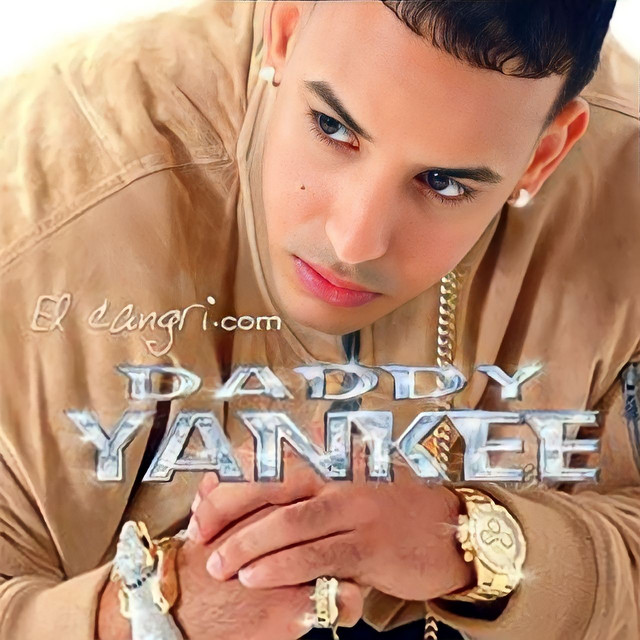
It's the underground origin point, where Daddy Yankee first appeared and reggaeton reportedly got its name.
- 2
This is where reggaeton kicked the door down, hitting No. 1 and going global.
- 3
It shows reggaeton's conscious alternative, proving the genre could carry weight without losing its groove.

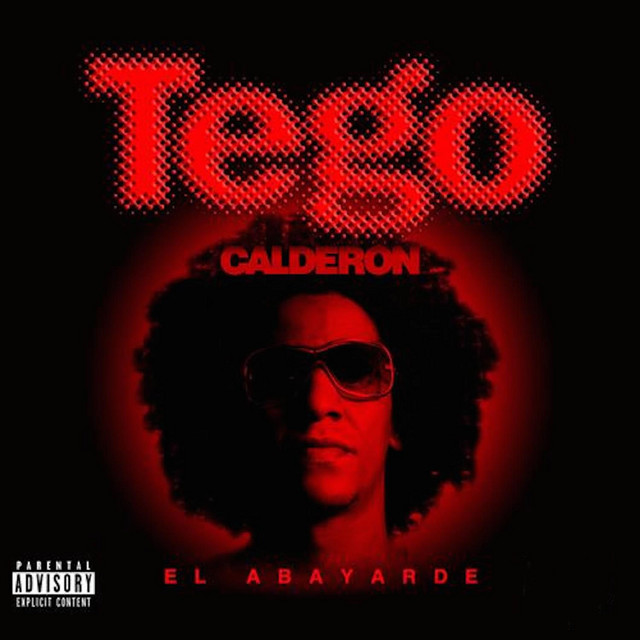
- El Abayarde
- El Cangri.com
- Barrio Fino
- Diva
- El Cartel: The Big Boss