2 Tone
How a Coventry record label with a black-and-white checked logo set Jamaican ska to punk's energy and put black and white musicians in the same bands
- Bernie Rhodes knows, don't argue
- A radiographer on Top of the Pops
- Violence at the gigs, and who stopped it
In this issue
- 01Chapter 1The Scene2 min
- 02Chapter 2Key PlayersMembers
- 03Chapter 3Defining the SoundMembers
- 04Chapter 4StoriesMembers
- 05Chapter 5Legacy and InfluenceMembers
- 06The castWho was thereMembers
- 07Family treeWho played with whomMembers
- 08In their own wordsHear them tell itMembers
- 09Essential recordsThe records that made itMembers
- 10The labelsWho put it on recordMembers
- 11The gearWhat made the soundMembers
- 12Chronology1970 to 2022Members
- 13StoriesThe stories behind itMembers
- 14PlacesWhere it happenedMembers
- 15ConnectionsWhere it ledMembers
- 16Go furtherRead and watch nextMembers
The Scene
The story of 2 Tone starts years before the label existed, with young Coventry musicians who grew up listening to 1960s Jamaican music. Jerry Dammers grew up on the Beatles, the Stones and the Kinks, with the Who and Small Faces his favorite rock bands, and on the soul of Otis Redding, Aretha Franklin, Stax and Motown. He has said he got into reggae around 1970, when hits like “Liquidator” and “Israelites” were in the UK charts. By about age 10 he'd started writing his own songs. Around 1977, with Dammers studying at art college in Coventry, he was also paying his dues in a Birmingham soul outfit called the Cissy Stone Band, trying and failing to get them to play his material. Then punk happened, and in his words, it turned everything upside down. Fed up with playing only covers, he started bashing his elbows on the keyboards; soon after, he was asked to leave the band. He took it as a sign the time had come to form his own.
The pieces were already scattered around him. His friend Neol Davies had a Revox tape recorder and let Dammers record early songs, including a reggae-ish track for an animated film Dammers made at college, with Horace Panter on bass, the first thing the two ever played together. Charlie Anderson, Charley “Aitch” Bembridge and others who later became the Selecter were playing in a reggae band called Hard Top 22, with Dammers sitting in on keyboards for a while. Terry Hall was singing with Coventry's most popular punk band, Squad. Lynval Golding and Desmond Brown were playing covers with Ray King's band Pharoah's Kingdom. Golding, born in Jamaica, had come to Coventry after his father, laid off from a factory job in Gloucester, followed the work to the city's motor industry. He remembered Dammers inviting him over to talk through ideas: Golding was steeped in soul and roots reggae, while punk's anyone-can-play attitude was everywhere.
Read the rest of this issue, and every other one.
The full essay, the cast (The Specials, The Selecter, Madness and more), the records, the chronology and the stories. About 11 minutes of reading, with the music a click away.
Start your 7-day free trialThen $5 a month. Cancel any time.8 albums, and the stories behind them
- 1
The genre-defining debut, produced by Costello, blends ska covers and sharp originals and reached No 4.
- 2
Shows how 2 Tone's sound crossed into the mainstream, reaching No 2 after Madness left the label.
- 3
Adds the scene's political edge, mixing ska, reggae and punk with conscious lyrics.

- The Specials
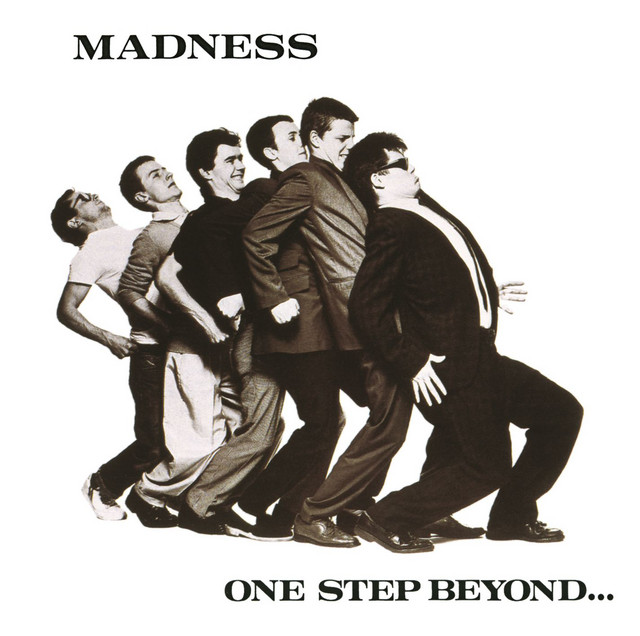
- One Step Beyond...
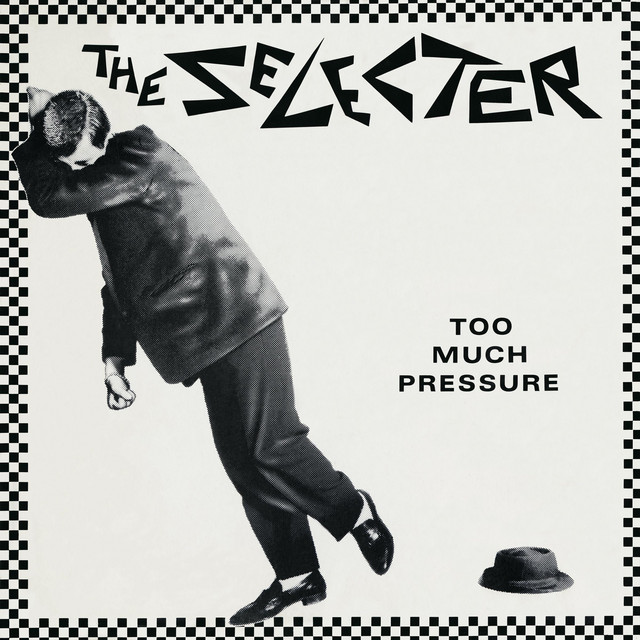
- Too Much Pressure
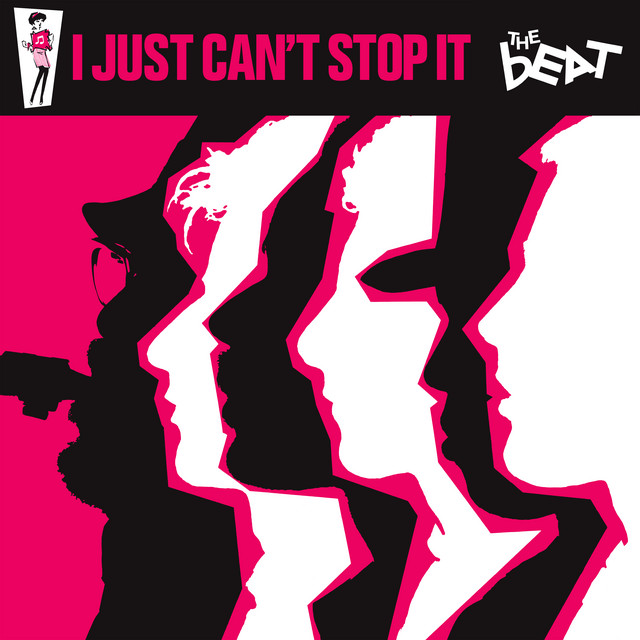
- I Just Can't Stop It
- More Specials
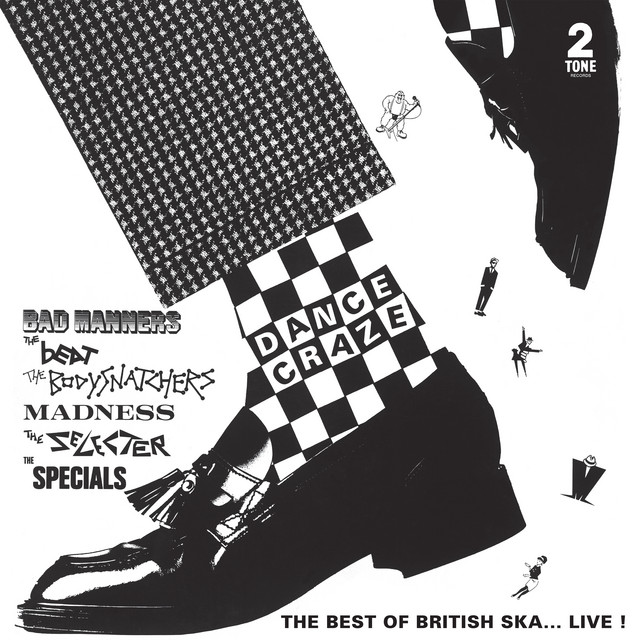
- Dance Craze