Jamaican Dancehall
From Kingston's sound system yards to the digital revolution that rewired reggae
- The Night Sleng Teng Silenced Black Scorpio
- Yellowman's Jaw
- The Casio Gift That Changed Music
In this issue
- 01Chapter 1The Scene2 min
- 02Chapter 2Key PlayersMembers
- 03Chapter 3Defining the SoundMembers
- 04Chapter 4StoriesMembers
- 05Chapter 5Legacy and InfluenceMembers
- 06The castWho was thereMembers
- 07In their own wordsHear them tell itMembers
- 08Essential recordsThe records that made itMembers
- 09The labelsWho put it on recordMembers
- 10The gearWhat made the soundMembers
- 11Chronology1950 to 2016Members
- 12StoriesThe stories behind itMembers
- 13PlacesWhere it happenedMembers
- 14ConnectionsWhere it ledMembers
- 15Go furtherRead and watch nextMembers
The Scene
Sound systems started in the 1950s—mobile discotheques blasting American R&B from trucks and handcarts in neighborhoods where radios cost more than most people earned in a month. Lloyd James, who would become King Jammy, grew up listening to WLAC out of Tennessee, a national station where DJ John R. played Curtis Mayfield, Sam Cooke, the good stuff you couldn't get on Jamaica's single radio station. By the early seventies, these systems had evolved into institutions: Coxsone Dodd's Downbeat, Duke Reid's Trojan, King Tubby's Home Town Hi-Fi. DJs began talking over instrumental B-sides. The venues were open-air by necessity. Inner city Kingston couldn't afford enclosed clubs, so lawns and parking lots became the stages where the culture grew up.
As a teenager in Waterhouse, James would ride his bicycle downtown to Forrester's Hall with Tubby's brother and other friends to catch Duke Reid, Prince Buster, Coxsone—the sound systems that defined ska and rocksteady. “Those are the ways of dancehall days,” Yellowman explained to Thrasher Magazine. “Every town, every sound system, got a main artist. Like, you have me with Aces International. You have Brigadier the General with Jah Love, Josey Wales with Charlie Chaplin.” Singers came to the dance and performed live over the riddims. The selector wouldn't play the record—the artist sang right there, voice competing with the bass bins.
Read the rest of this issue, and every other one.
The full essay, the cast (Yellowman, Shabba Ranks, King Jammy and more), the records, the chronology and the stories. About 16 minutes of reading, with the music a click away.
Start your 7-day free trialThen $5 a month. Cancel any time.8 albums, and the stories behind them
- 1
This debut established slackness style on record and proved dancehall could sell internationally, making Yellowman a star almost overnight.
- 2
It documents the digital riddim that changed dancehall production for good, the technological turning point behind the genre's sound.
- 3
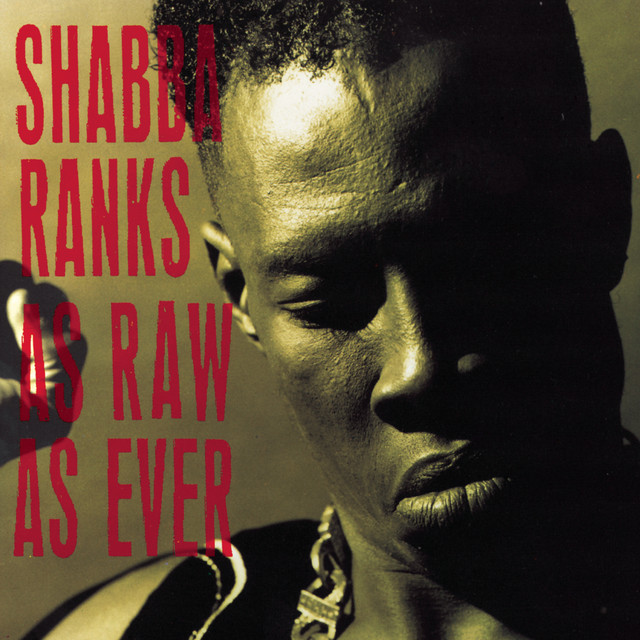
This Grammy-winning album carried 'Mr. Loverman' onto pop radio worldwide, proving dancehall could crossover without losing its edge.
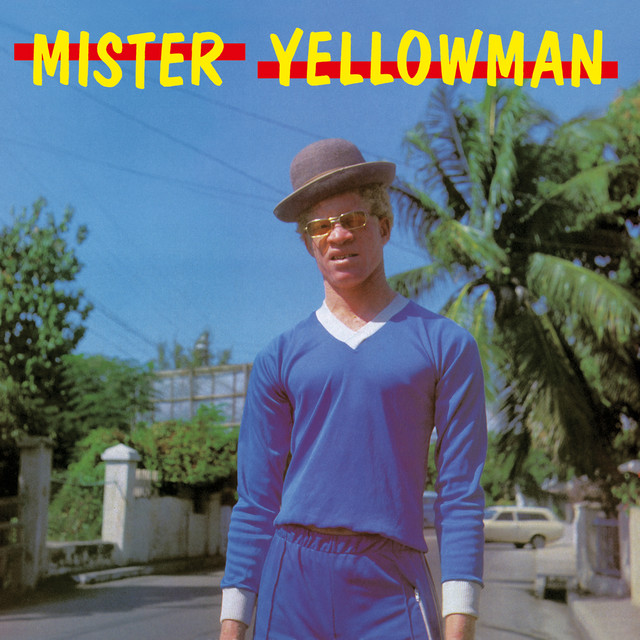
- Mister Yellowman
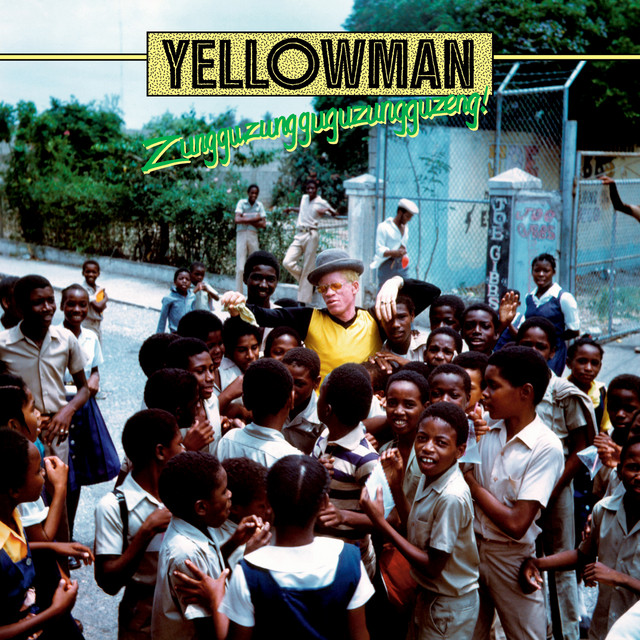
- Zungguzungguguzungguzeng
- Just Reality
- As Raw as Ever
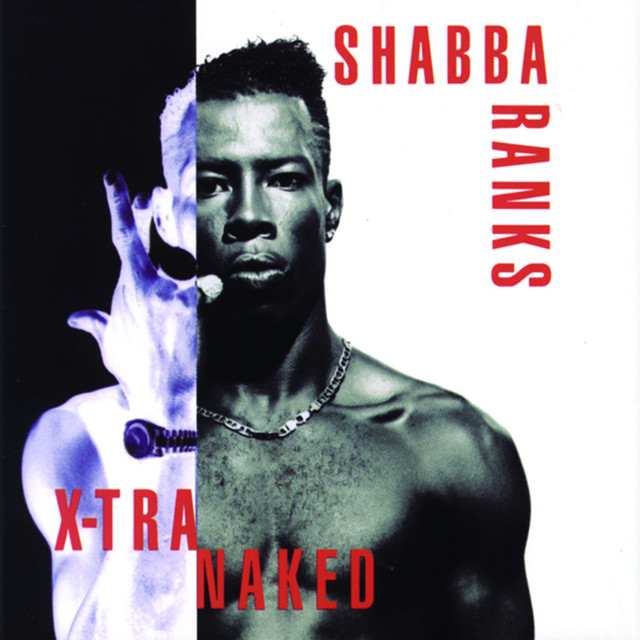
- X-tra Naked
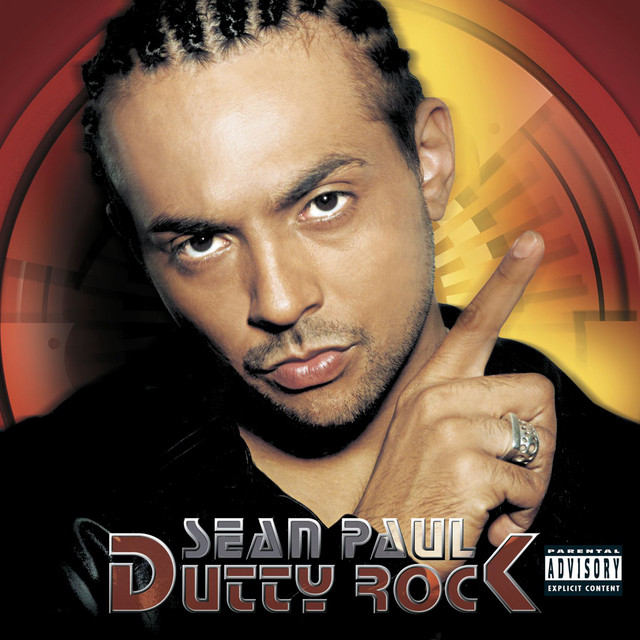
- Dutty Rock