The Haçienda Sound
How Factory Records, New Order's losses, and a warehouse on Whitworth Street built the blueprint for Madchester
- The Haçienda's Bankruptcy Math
- The Stone Roses vs. Silvertone
- Barbados and the Death of Factory Records
In this issue
- 01Chapter 1The Scene2 min
- 02Chapter 2Key PlayersMembers
- 03Chapter 3Defining the SoundMembers
- 04Chapter 4StoriesMembers
- 05Chapter 5Legacy and InfluenceMembers
- 06The long readFriday to FridayMembers
- 07The castWho was thereMembers
- 08Family treeWho played with whomMembers
- 09In their own wordsHear them tell itMembers
- 10Essential recordsThe records that made itMembers
- 11The labelsWho put it on recordMembers
- 12The gearWhat made the soundMembers
- 13Chronology1982 to 1997Members
- 14StoriesThe stories behind itMembers
- 15PlacesWhere it happenedMembers
- 16ConnectionsWhere it ledMembers
- 17Go furtherRead and watch nextMembers
The Scene
The seed wasn't planted in 1982, the night the Haçienda opened. It was earlier—post-punk wreckage meeting northern soul all-nighters, a city primed for ritual. By 1985 the Stone Roses, formed two years earlier by Ian Brown and John Squire, were playing illegal warehouse parties. DJ Dave Booth spun for the Stone Roses at events like “The Flower Show” in 1985. Greg Wilson and Hewan Clarke mixed electro and funk at the Haçienda's early nights before anyone called it house. The proto-scene: Factory's art-school austerity colliding with the sweat-soaked pragmatism of black American dance music, all of it filtered through a grey industrial landscape that Thatcher had left to rot.
The Haçienda was a beautiful, impractical folly. Ben Kelly designed it with yellow and black hazard stripes, exposed steel. It looked like a loading dock had mated with a constructivist manifesto. Tony Wilson, New Order, and manager Rob Gretton financed it with money Factory Records couldn't afford to lose, designating it FAC 51 in the label catalogue as if a nightclub were just another 7-inch. The building had been a yacht warehouse—11–13 Whitworth Street West, a curved red-brick facade on the Rochdale Canal, south edge of the city centre near Castlefield. Terrible acoustics. Worse sightlines. Bernard Manning played the opening night on 21 May 1982, walked into Kelly's loading dock, looked at the hazard stripes and exposed steel, and told the audience: “I've played some shit-holes during my time, but this is really something.” His jokes—racist, sexist, entirely at odds with the crowd—bombed. Manning left and returned his fee. It was an ominous start.
Read the rest of this issue, and every other one.
The full essay, the cast (Happy Mondays, The Stone Roses, New Order and more), the records, the chronology and the stories. About 12 minutes of reading, with the music a click away.
Start your 7-day free trialThen $5 a month. Cancel any time.8 albums, and the stories behind them
- 1
It built the template for indie jangle meeting dancefloor groove that defined Madchester's crossover into the mainstream.
- 2
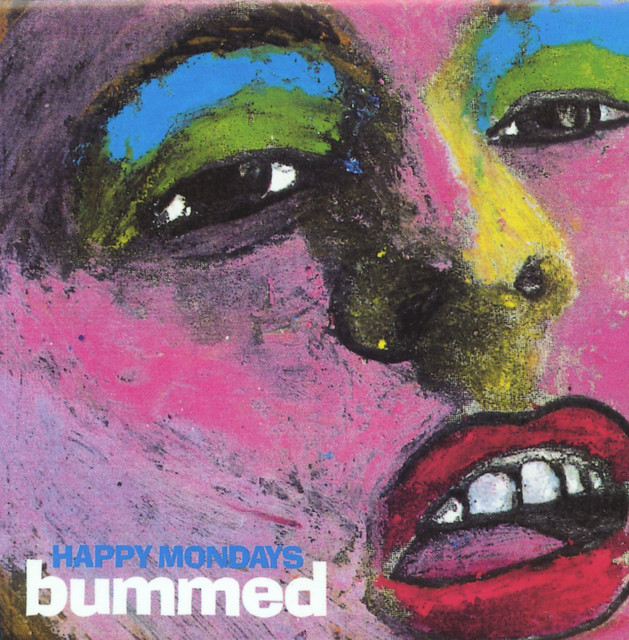
It shows the shambling, proto-baggy chaos that laid the template for indie-dance fusion at the scene's rougher edge.
- 3
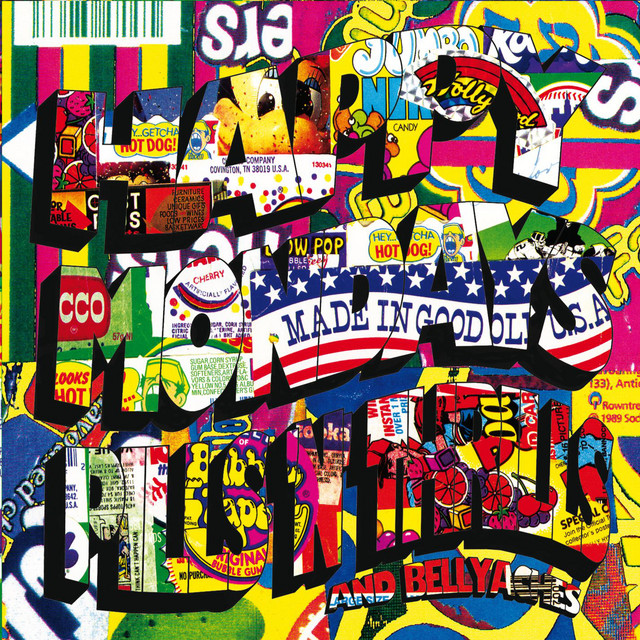
It shows where the scene ended up commercially, turning Madchester into platinum-selling pop at its peak.
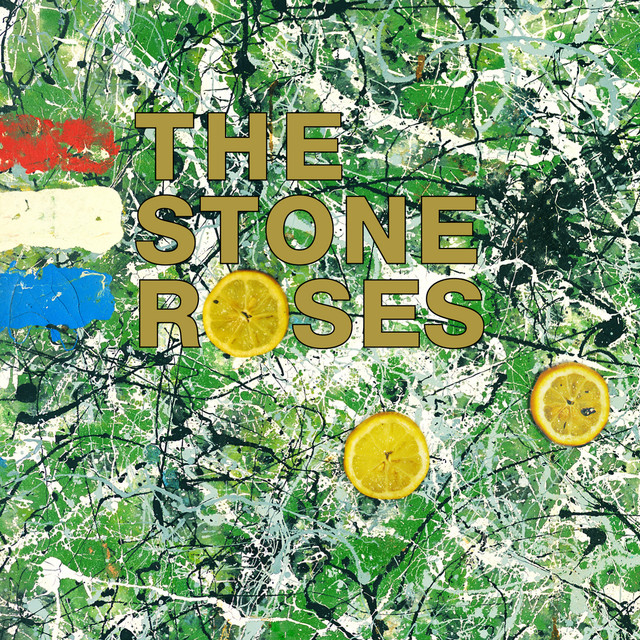
- The Stone Roses
- Bummed
- Pills 'n' Thrills and Bellyaches
- Ninety
- Some Friendly
- Life