Italian Progressive Rock
How Rome and Milan forged a symphonic rock movement that merged classical grandeur with Mediterranean melody
- The One-Night Score
- Greg Lake's Italian Discovery
- The Chocolate Bar Controversy
In this issue
- 01Chapter 1The Scene2 min
- 02Chapter 2Key PlayersMembers
- 03Chapter 3Defining the SoundMembers
- 04Chapter 4StoriesMembers
- 05Chapter 5Legacy and InfluenceMembers
- 06The castWho was thereMembers
- 07Family treeWho played with whomMembers
- 08In their own wordsHear them tell itMembers
- 09Essential recordsThe records that made itMembers
- 10The labelsWho put it on recordMembers
- 11The gearWhat made the soundMembers
- 12Chronology1966 to 2000Members
- 13StoriesThe stories behind itMembers
- 14PlacesWhere it happenedMembers
- 15ConnectionsWhere it ledMembers
The Scene
It began in Milan session studios, mid-sixties, where technically gifted musicians cycled through backing bands for pop stars like Mina, Adriano Celentano, and Lucio Battisti. Franco Mussida, Flavio Premoli, and Franz Di Cioccio met in these studios, honing chops on three-minute love songs while listening to imported King Crimson and Jethro Tull records after hours. In 1968, they formed I Quelli—deliberately ungrammatical Italian for 'The Them'—releasing one album before the progressive breakthrough. Meanwhile, in Rome, the Nocenzi brothers Vittorio and Gianni were absorbing the same British influences, but filtering them through Italy's own classical and operatic traditions. The proto-scene was a network of session players who'd mastered both American blues-rock and European conservatory training, waiting for the cultural moment when they could fuse the two.
That moment arrived in 1971, when PFM's 'Impressioni di settembre' became the first Italian hit to feature a Minimoog synthesizer prominently. The country had remained largely indifferent to rock music through the late sixties, but the early seventies brought economic prosperity, a burgeoning youth culture, and the rise of independent labels like Numero Uno and Ricordi willing to gamble on ambitious music. Progressive rock didn't arrive in Italy as an import—it was reinvented. Where British prog drew on English folk and American blues, Italian bands reached back to opera, to the conservatory, to the melodic architecture of Italian popular song.
Read the rest of this issue, and every other one.
The full essay, the cast (Goblin, Premiata Forneria Marconi, Banco del Mutuo Soccorso and more), the records, the chronology and the stories. About 14 minutes of reading, with the music a click away.
Start your 7-day free trialThen $5 a month. Cancel any time.10 albums, and the stories behind them
- 1
It proved progressive rock could go mainstream in Italy, topping the charts in its first week, a breakthrough Britain and America never matched.
- 2
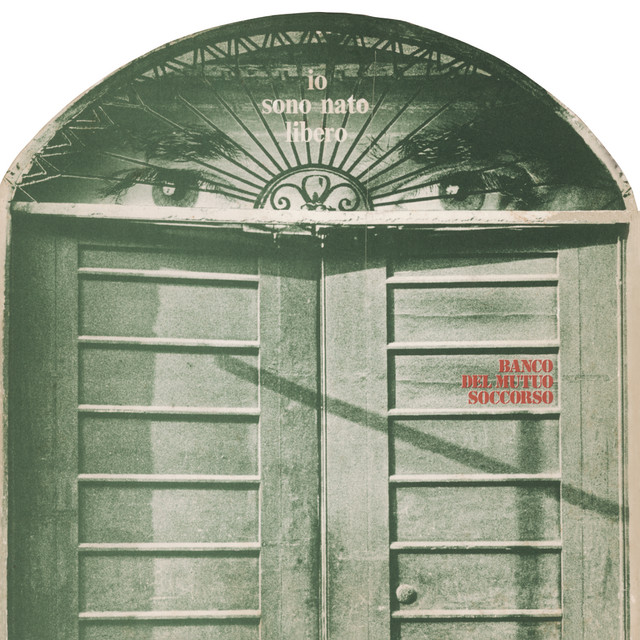
The scene's first concept album, tackling evolutionary theory with orchestral ambition while keeping the melodic warmth that made Italian prog feel alive.
- 3
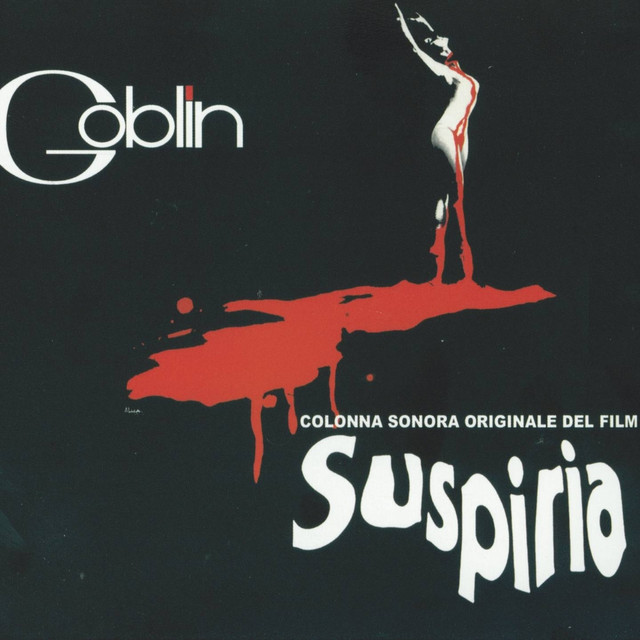
Written and recorded in a single day, it sold over a million copies and launched Goblin as horror cinema's defining composers.


- Storia di un minuto
- Per un amico
- Darwin!
- Suspiria
- Io sono nato libero
- Chocolate Kings