Detroit
Detroit appears in 4 Songsheets issues: Detroit Techno, Berlin Techno, Motown and Northern Soul. 18 artists in the archive came from here, including Juan Atkins, Derrick May and Kevin Saunderson. Key places include The Music Institute, Buy-Rite Music and Submerge Distribution. The issues date 7 events here, from 1980 to 2004.
Motor City. Birthplace of Motown and techno. Juan Atkins, Derrick May, and Kevin Saunderson created techno from a mix of Kraftwerk, Parliament, and Prince.
Scenes
Artists from Detroit
- Juan Atkins
Juan Atkins was born in 1962 to a father who worked as a concert promoter, bringing Norman Connors, Michael Henderson, and Barry White through Detroit, including a Barry White show at Cobo Hall.
- Derrick May
Derrick May moved from Detroit to Belleville as a teenager and fell in with Juan Atkins, whose younger brother rolled up in a Cadillac blasting Parliament — an image that reportedly left a mark on May before he and Atkins had even become close.
- Kevin Saunderson
Kevin Saunderson was born in Brooklyn in 1964, and by thirteen he was sneaking into the Loft and the Paradise Garage with his older brothers, absorbing New York's club culture years before Detroit techno had a name.
- Eddie Fowlkes
Eddie Fowlkes recorded for Juan Atkins's Metroplex label and ran with the Music Institute family, the Detroit club crowd that incubated the city's first wave of techno.
- Jeff Mills
Jeff Mills left Underground Resistance in 1989 and built a reputation as techno's most uncompromising minimalist, both behind the decks and in the studio.
- Carl Craig
Carl Craig arrived in 1989 as the leading voice of Detroit techno's second wave, pushing the sound in a more maximal, textured direction through the early 1990s.
- Blake Baxter
Blake Baxter brought a rougher, more physical energy to Detroit techno starting in 1987, spinning regularly at the Music Institute and contributing to the early catalogs of both Metroplex and Transmat.
- Robert Hood
Robert Hood came up through Underground Resistance before striking out on his own in the mid-1990s to pioneer minimal techno.
- The Supremes
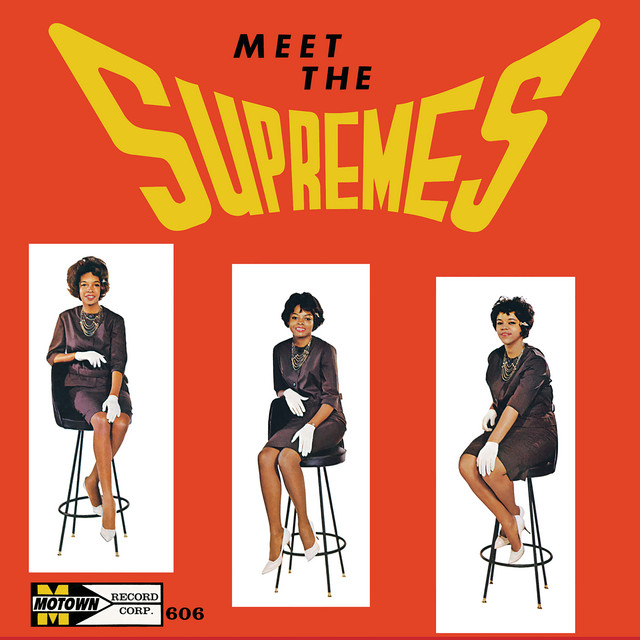
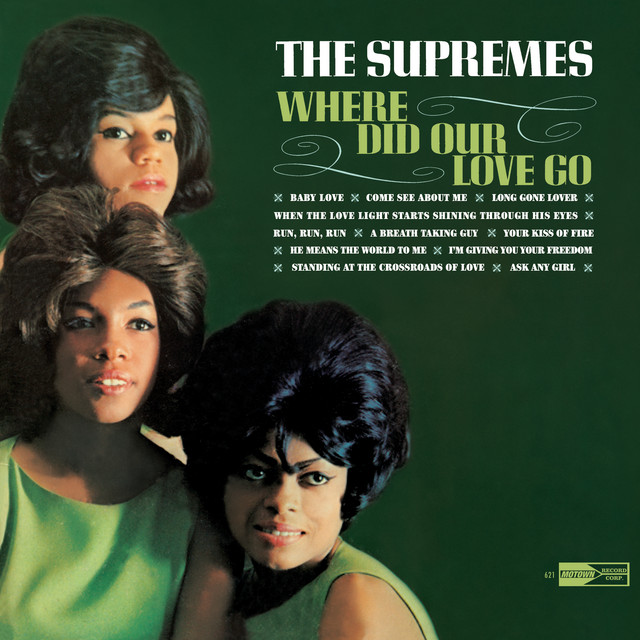
Diana Ross, Mary Wilson, and Florence Ballard spent 1961 to 1963 releasing eight singles that went precisely nowhere.
- Smokey Robinson & The Miracles
Smokey Robinson met Berry Gordy in 1957, a seventeen-year-old fronting a doo-wop group called the Matadors.
- The Temptations
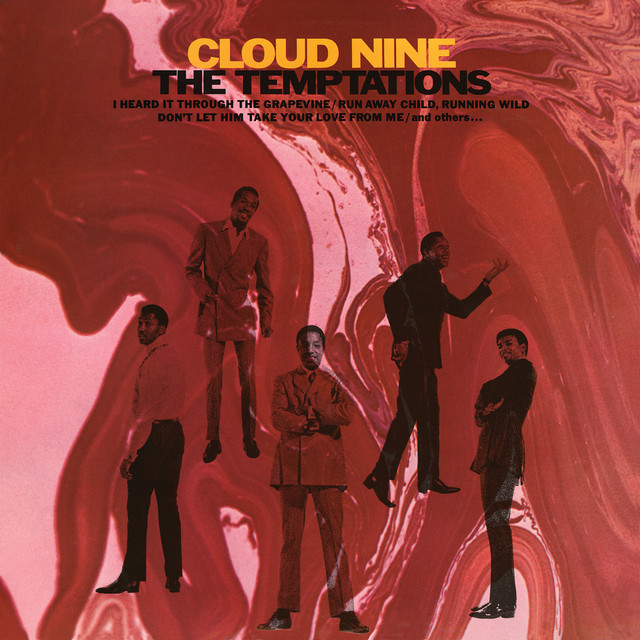
Motown's premier male vocal group built its reputation on precision: choreography by Cholly Atkins, synchronized suits and stagecraft refined through Maxine Powell's Artist Development program, and hits like "My Girl" and "Ain't Too Proud to Beg" that showcased five voices moving as one instrument.
- Underground Resistance
Formed in 1989 around Mike Banks, Jeff Mills, and Robert Hood, Underground Resistance turned Detroit techno's second wave into a declared war.
- Berry Gordy
Berry Gordy Jr.
- The Four Tops
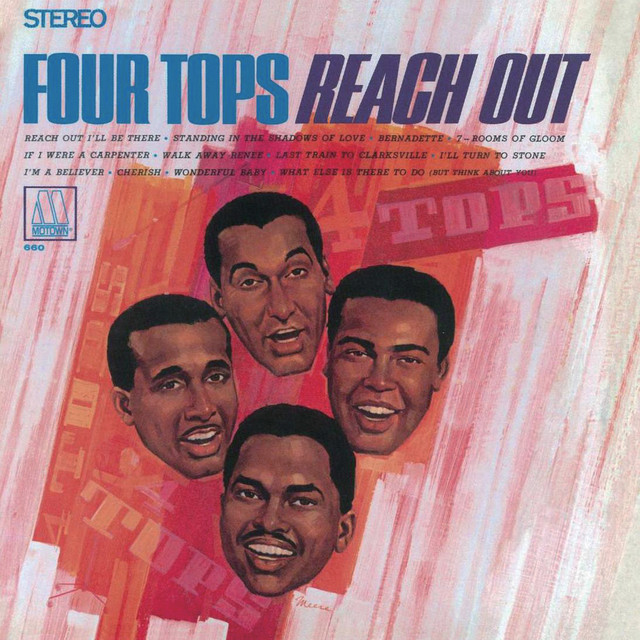
The Four Tops signed to Motown in 1963 and became one of Holland-Dozier-Holland's most reliable vehicles, scoring major hits including "I Can't Help Myself" and "Reach Out I'll Be There." Levi Stubbs sang lead with a gospel-trained urgency that made even the group's biggest pop hits feel like they were being wrung out of him, and that combination—gospel harmonies underneath, Stubbs's desperate lead on top—defined Motown's mid-1960s sound as much as any single production team did.
- Martha and the Vandellas
Martha Reeves led one of Motown's most kinetic groups, records like "Dancing in the Street" and "Heat Wave" built on Holland-Dozier-Holland arrangements that ran hot from the first bar: tambourine hammering the backbeat, vocals stacked and shouting, a sense of urgency that made the group consistent hitmakers from 1962 to 1972.
- The Funk Brothers
Motown's house band played on more number-one hits than the Beatles, Elvis, the Rolling Stones, and the Beach Boys combined, and did it largely uncredited, working out of Studio A at Hitsville on Detroit's West Grand Boulevard.
- Holland-Dozier-Holland
Brian Holland, Lamont Dozier, and Eddie Holland wrote and produced more than 25 Top 10 hits between 1962 and 1967, ten of them number ones, and for a five-year stretch they were effectively Motown's hit factory.
- Frank Wilson
Frank Wilson (1940-2012) joined Motown's Los Angeles office in 1963 and became one of its main writers and producers after Holland-Dozier-Holland left, with credits including the Supremes' "Love Child" and "Stoned Love" and Eddie Kendricks' "Keep On Truckin'".
Places
- The Music Institute1988-1989 · Detroit Techno
Located at 1315 Broadway, this underground club opened in 1988 and became the crucial gathering point that united Detroit's scattered techno scene into a cohesive underground family before closing in 1989.
- Buy-Rite Music1980s-1990s · Detroit Techno
Record store owned by Derrick May's mother where the young producer worked, providing access to imported records and becoming a hub for Detroit's early electronic music community.
- Submerge Distribution1992-present · Detroit Techno
Underground Resistance's record store and distribution hub, serving as both retail space and headquarters for Detroit's militant second-wave techno movement.
- Cheeks1980s · Detroit Techno
Detroit club where Juan Atkins and Derrick May played as Deep Space Soundworks, testing their eclectic electronic sets on local party crowds in the early 1980s.
- Hart Plaza2000-present · Detroit Techno
Riverfront public plaza that hosts Movement Festival (formerly Detroit Electronic Music Festival), serving as the annual gathering site for global techno pilgrims since 2000.
What happened here
- 1980Juan Atkins forms Cybotron with Rick Davis
The partnership that would produce the proto-techno tracks "Alleys of Your Mind," "Clear," and "Cosmic Cars" begins in Detroit, establishing the sonic template for what would become techno.
Detroit Techno - 1981"Alleys of Your Mind" released on Deep Space label
Cybotron's debut single sells 15,000 copies, marking the first significant commercial success for what would become Detroit techno and establishing the underground network for distribution.
Detroit Techno - 1982"Clear" by Cybotron released
Often cited as the first proto-techno track, "Clear" bridges electro-funk and the emerging techno sound, fusing Parliament's cosmic funk with Kraftwerk's mechanical precision.
Detroit Techno - 1985Juan Atkins founds Metroplex Records and launches Model 500
After Cybotron's dissolution, Atkins establishes his own label and releases "No UFO's" as Model 500, creating the blueprint for Detroit techno and providing a platform for the scene's emerging producers.
Detroit Techno - 1989Underground Resistance forms
Mike Banks, Jeff Mills, and Robert Hood create UR, bringing militant aesthetics and harder, industrial sounds to Detroit techno's second wave, positioning themselves against commercial mainstream culture.
Detroit Techno - 2000First Detroit Electronic Music Festival held
The inaugural festival brings electronic music fans to Detroit for Memorial Day weekend, establishing an annual pilgrimage that would grow into one of techno's most important global gatherings.
Detroit Techno - 2004Derrick May takes control of festival, renames it Movement
May invests his own funds to preserve and expand the festival, suffering severe financial wounds but ensuring Detroit's techno legacy remains central to the global electronic music narrative.
Detroit Techno
Records made by artists from Detroit
- Meet The SupremesThe Supremes · 1962
- Where Did Our Love GoThe Supremes · 1964
- Going to a Go-GoSmokey Robinson & The Miracles · 1965
- Reach OutThe Four Tops · 1967
- Cloud NineThe Temptations · 1969
- Nation 2 NationUnderground Resistance · 1991
- Waveform Transmission Vol. 1Jeff Mills · 1992
- Internal EmpireRobert Hood · 1994
- Waveform Transmission Vol. 3Jeff Mills · 1994
- Minimal NationRobert Hood · 1994
- More Songs About Food and Revolutionary ArtCarl Craig · 1997

Connections
Detroit techno found its first mass audience in UK clubs, where it merged with acid house to create rave culture.
The Belleville Three (Atkins, May, Saunderson) brought their suburban experiments to Detroit's club scene.
Kraftwerk's electronic futurism from Düsseldorf directly inspired the Belleville Three to create Detroit techno.