Motown
How Berry Gordy's $800 loan and a converted photography studio on West Grand Boulevard created the Sound of Young America
- The Friday Morning Quality Control Meetings
- The Attic Reverb Chambers
- Maxine Powell's Finishing School
In this issue
- 01Chapter 1The Scene1 min
- 02Chapter 2Key PlayersMembers
- 03Chapter 3Defining the SoundMembers
- 04Chapter 4StoriesMembers
- 05Chapter 5Legacy and InfluenceMembers
- 06The long readA Love SongMembers
- 07The castWho was thereMembers
- 08Family treeWho played with whomMembers
- 09In their own wordsHear them tell itMembers
- 10Essential recordsThe records that made itMembers
- 11The labelsWho put it on recordMembers
- 12The gearWhat made the soundMembers
- 13Chronology1957 to 1988Members
- 14StoriesThe stories behind itMembers
- 15PlacesWhere it happenedMembers
- 16ConnectionsWhere it ledMembers
- 17Go furtherRead and watch nextMembers
The Scene
Berry Gordy Jr. worked the Lincoln-Mercury line, wrote songs at night, watched his jazz record shop fail. The 3D Record Mart-House of Jazz opened in 1953, stocked exclusively with bebop and Charlie Parker sides. Gordy knew the blues too, from old-timers playing it at weekend house parties, but the shop sold jazz and only jazz. It went under. He went back to the factory floor.
The seeds took root in 1957. Gordy, with his sister Gwen and Billy Davis, wrote “Reet Petite” for Jackie Wilson, a former boxing buddy. They'd met the singer through Al Green, a manager at the Flame Show Bar who ran Pearl Music publishing. The song hit. Over the next eighteen months, Gordy helped craft six more Wilson singles, including “Lonely Teardrops.” Between 1957 and 1958 he wrote or produced over a hundred sides. Gordy has said all he ever wanted was to write songs and get paid fairly for them — the moderate success of those Wilson hits taught him he wasn't. This was the proto-Motown sound: gospel-inflected R&B with pop hooks, cut by Detroit talent and sold off to bigger New York labels.
Read the rest of this issue, and every other one.
The full essay, the cast (Berry Gordy, Smokey Robinson & The Miracles, The Supremes and more), the records, the chronology and the stories. About 10 minutes of reading, with the music a click away.
Start your 7-day free trialThen $5 a month. Cancel any time.10 albums, and the stories behind them
- 1
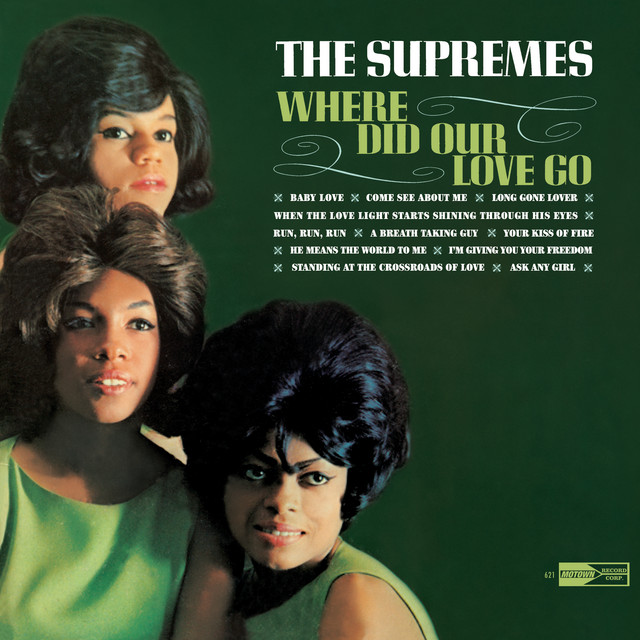
Five consecutive number-one singles show how Holland-Dozier-Holland turned the Supremes into Motown's premier hit-making act.
- 2
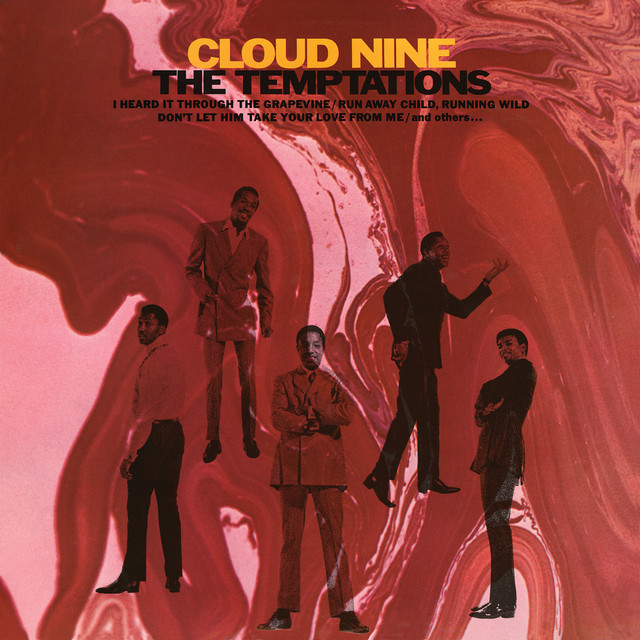
Shows Motown's pivot into psychedelic soul and social consciousness, winning the label its first Grammy Award.
- 3
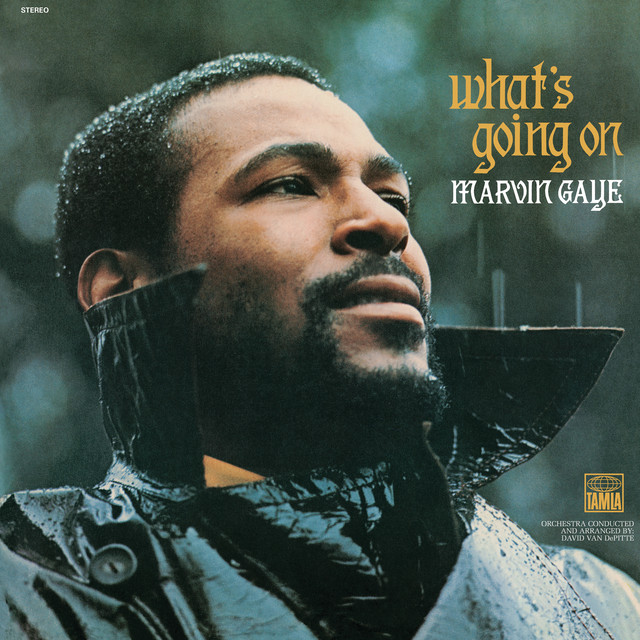
Redefined Motown as capable of artistic ambition beyond the three-minute single, tackling war, poverty, and the environment.
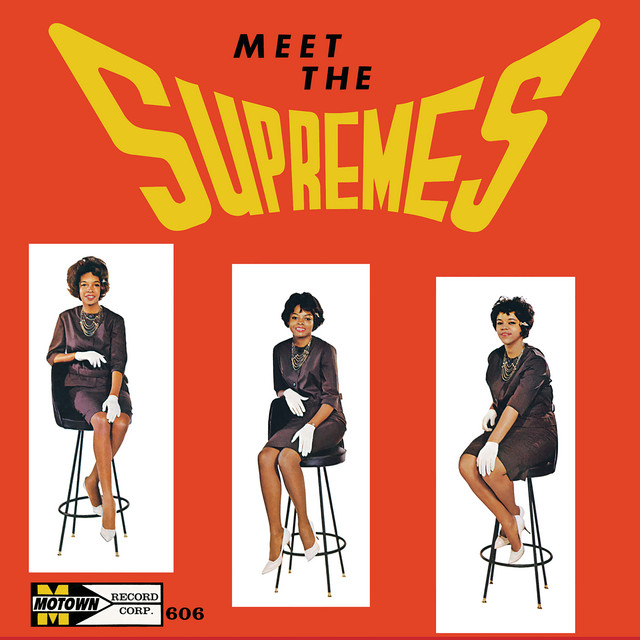
- Meet The Supremes
- Where Did Our Love Go
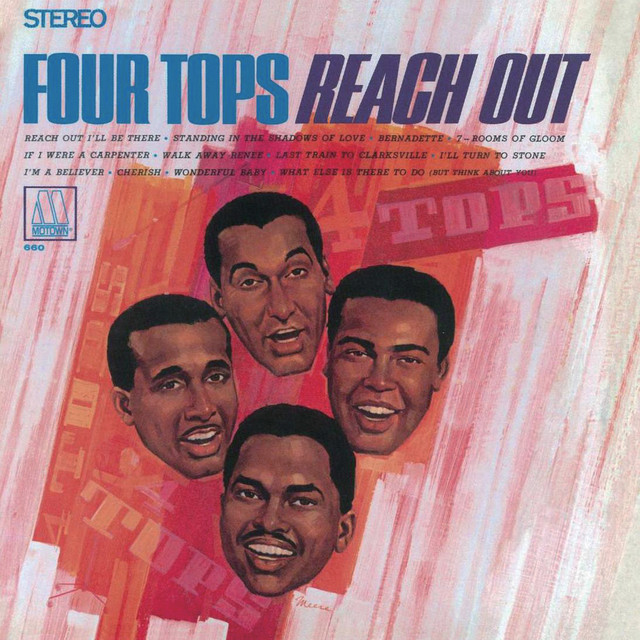
- Reach Out
- Cloud Nine
- What's Going On
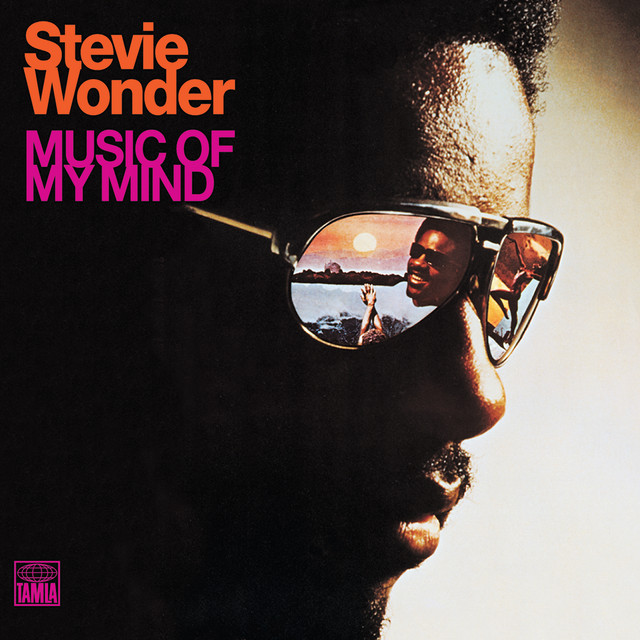
- Music of My Mind