Washington, D.C.
Washington, D.C. appears in 3 Songsheets issues: Riot Grrrl, DC Hardcore and Motown. 12 artists in the archive came from here, including Minor Threat, Fugazi and Bad Brains. Key places include 9:30 Club, Wilson Center and Madam's Organ. The issues date 12 events here, from 1976 to 1993.
The other riot grrrl city. DC's hardcore scene provided the infrastructure and ethos that riot grrrl built upon.
Scenes
Artists from Washington, D.C.
- Minor Threat
Ian MacKaye and Jeff Nelson formed Minor Threat in December 1980 after the Teen Idles broke up, carrying over the same drive but sharpening it.
- Fugazi
Ian MacKaye and Joe Lally started Fugazi in 1987, and the band found its final shape a year later when Guy Picciotto joined as a backup vocalist, then picked up a Rickenbacker to scratch out countermelodies against MacKaye's low-end riffs.
- Bad Brains
Bad Brains complicated DC hardcore's speed-and-economy template before it had even fully hardened into a rule.
- Rites of Spring
Rites of Spring formed during Revolution Summer of 1984-85, with Guy Picciotto and Brendan Canty at its core, and took hardcore somewhere it hadn't gone: inward.
- Teen Idles
Ian MacKaye and Jeff Nelson's first band, formed in 1979 while both were still at Wilson High School, playing out until 1980.
- Embrace
Embrace was Ian MacKaye's project between Minor Threat and Fugazi, active for one year, 1985 to 1986, born out of Revolution Summer's push to open hardcore up emotionally.
- Dag Nasty
Brian Baker started Dag Nasty during Revolution Summer of 1985, not long after Minor Threat had ended.
- Nation of Ulysses
Nation of Ulysses arrived at the tail end of the '80s with MC5-style revolutionary rhetoric, avant-garde jazz flourishes, and live shows that could turn volatile fast.
- Marvin Gaye
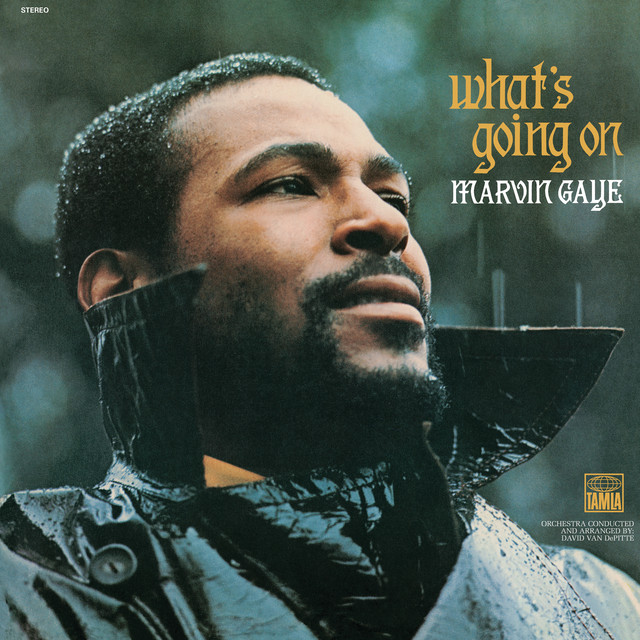
Marvin Gaye signed to Motown in 1961 and spent most of the decade making smooth, tightly produced soul records, the kind built for radio and dance floors rather than confrontation.
- Bratmobile
Bratmobile started as a joke, or close to one, hatched in theory in the bathroom of a University of Oregon dorm in fall 1989 by Allison Wolfe and Molly Neuman.
- Ian MacKaye
Ian MacKaye was born April 16, 1962, in Glover Park, the son of a Washington Post religion writer who had ridden in JFK's motorcade the day the president was assassinated.
- Government Issue
Government Issue was one of Dischord's earliest bands, helping define the DC sound alongside Minor Threat through the early '80s.
Places
- 9:30 Club1980-present · DC Hardcore
DC hardcore's cornerstone venue from 1980 onwards, hosting virtually every important show in the scene's history. Originally located at 930 F Street NW before moving to V Street in 1996.
- Wilson Center1979-1983 · DC Hardcore
A key all-ages space in Arlington that hosted crucial early hardcore shows, providing a safe venue for underage fans when most clubs were 21+. Located in a diverse working-class neighborhood.
- Madam's Organ1980-present · DC Hardcore
Adams Morgan venue that hosted punk and hardcore shows in the early 1980s, becoming an important alternative to the 9:30 Club for smaller bills.
- d.c. space1977-1991 · DC Hardcore
Alternative arts venue at 7th and E Streets that hosted important early hardcore shows alongside experimental music and performance art, bridging punk with DC's broader counterculture.
- WGTB Georgetown University Radio1946-1979 · DC Hardcore
Georgetown's radical freeform radio station that championed punk and hardcore before its controversial FCC shutdown in 1979, spreading the music across DC and educating future scene participants.
- Lansburgh Cultural Center1980-1992 · DC Hardcore
Downtown arts space that hosted Minor Threat's final show on September 23, 1983, marking the end of hardcore's first wave and the beginning of its evolution.
What happened here
- 1976The Ramones tour DC
The Ramones' 1976 tour brings punk rock to Washington, inspiring local musicians including the formation of the Slickee Boys and Overkill.
DC Hardcore - 1978The Atlantis opens
First DC venue primarily hosting punk and new wave bands opens at 930 F Street NW on January 27, featuring Slickee Boys, Urban Verbs, and White Boy.
DC Hardcore - 1979Teen Idles form
Ian MacKaye and Jeff Nelson form Teen Idles while attending Wilson High School, drawing crowds second only to Bad Brains in the nascent DC hardcore scene.
DC Hardcore - 1980Dischord Records founded
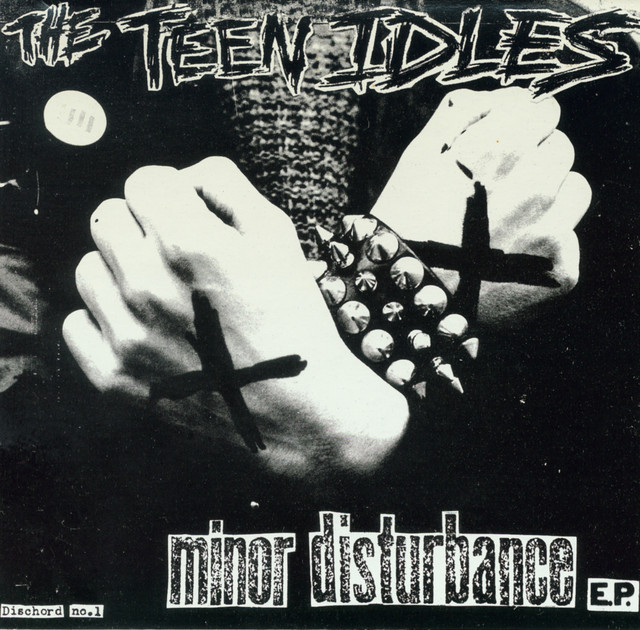
MacKaye and Nelson use Teen Idles earnings to launch Dischord Records, releasing Minor Disturbance as their first 7-inch, hand-crafting 10,000 copies.
DC Hardcore - 19809:30 Club opens
The Atlantis space reopens on May 31 as the 9:30 Club, becoming the foundational venue for DC punk for decades to come.
DC Hardcore - 1981"Straight Edge" released
Minor Threat's first EP includes "Straight Edge," a song about MacKaye's personal sobriety that accidentally births the straight edge movement.
DC Hardcore - 1982Flex Your Head compilation
Dischord releases Flex Your Head, documenting the explosive DC hardcore scene with tracks from Minor Threat, Government Issue, S.O.A., and others.
DC Hardcore - 1983Minor Threat disbands
Creative tensions over U2's influence lead to Minor Threat's breakup; their final show on September 23 at Lansburgh Cultural Center ends an era.
DC Hardcore - 1985Revolution Summer
Amy Pickering proposes a scene "re-birthing"; Rites of Spring, Embrace, and Dag Nasty challenge hardcore orthodoxy with introspection and melody.
DC Hardcore - 1987Fugazi forms
MacKaye, Joe Lally, and Brendan Canty begin rehearsing in August/September; Guy Picciotto joins as backup vocalist in early 1988, then as second guitarist.
DC Hardcore - 1990Repeater reaches beyond hardcore
Fugazi's first full-length album Repeater sells 300,000+ copies without major label support, predating Nirvana's Nevermind by a year.
DC Hardcore - 1993Fugazi turns down Atlantic Records
Ahmet Ertegun offers Fugazi over $10 million to sign with Atlantic backstage at Roseland Ballroom; the band declines, preserving their independence.
DC Hardcore
Records made by artists from Washington, D.C.



Connections
DC hardcore's DIY infrastructure and feminist consciousness directly seeded Olympia's riot grrrl movement through touring networks and zine culture.
Riot grrrl emerged simultaneously in Olympia and DC, connected through zine networks, punk tours, and the International Pop Underground convention.