The Minneapolis Sound
Prince, The Time, and the fusion of funk, new wave, and synth-pop that defined '80s R&B
- The Cincinnati Food Fight
- Stranded in Atlanta
- The Loose Thread at Paisley Park
In this issue
- 01Chapter 1The Scene2 min
- 02Chapter 2Key PlayersMembers
- 03Chapter 3Defining the SoundMembers
- 04Chapter 4StoriesMembers
- 05Chapter 5Legacy and InfluenceMembers
- 06The long readNobody ClappedMembers
- 07The castWho was thereMembers
- 08Family treeWho played with whomMembers
- 09In their own wordsHear them tell itMembers
- 10Essential recordsThe records that made itMembers
- 11The labelsWho put it on recordMembers
- 12The gearWhat made the soundMembers
- 13Chronology1958 to 2007Members
- 14StoriesThe stories behind itMembers
- 15PlacesWhere it happenedMembers
- 16ConnectionsWhere it ledMembers
- 17Go furtherRead and watch nextMembers
The Scene
A basement in North Minneapolis, 1958. A band called the Big Ms — students from North High School — cut Minnesota's first R&B record in someone's house. Prince Rogers Nelson was born that same year. The timing reads like destiny now, but the real connection runs deeper than coincidence: those Big Ms set a template. Black kids in a segregated city making music on their own terms, no permission, no proper studios, because the infrastructure wouldn't have had them anyway.
That infrastructure had roots going back decades. Black families arrived in Minneapolis and St. Paul in the early twentieth century, drawn by railroad work, domestic service, and a wage premium over the Deep South. They built churches, and the churches built choirs. They built fraternal lodges that held dances, barbershops and beauty salons that doubled as booking agencies, newspapers like the Minneapolis Spokesman and the Saint Paul Recorder that covered Black musicians when no one else would. Neighborhood rooms like the Cozy Bar on North Lyndale, a Black-owned R&B club run by Jimmy and Margaret Fuller, gave professional musicians a place to work before there was a jazz scene to speak of, or a station like KMOJ to broadcast them. Prince wasn't the beginning. He was the flowering of seeds planted by club owners, church musicians, jazz educators, and organizers who spent a century building Black institutions from scratch.
Read the rest of this issue, and every other one.
The full essay, the cast (Prince, The Time, Jimmy Jam & Terry Lewis and more), the records, the chronology and the stories. About 13 minutes of reading, with the music a click away.
Start your 7-day free trialThen $5 a month. Cancel any time.10 albums, and the stories behind them
- 1
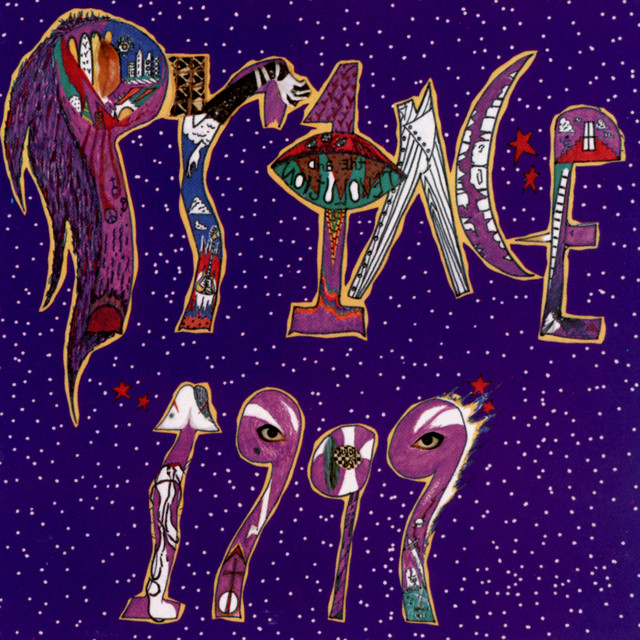
This double album broke the Minneapolis Sound through commercially, replacing horns with LinnDrum and synth work that sounded like nothing else on the radio.
- 2
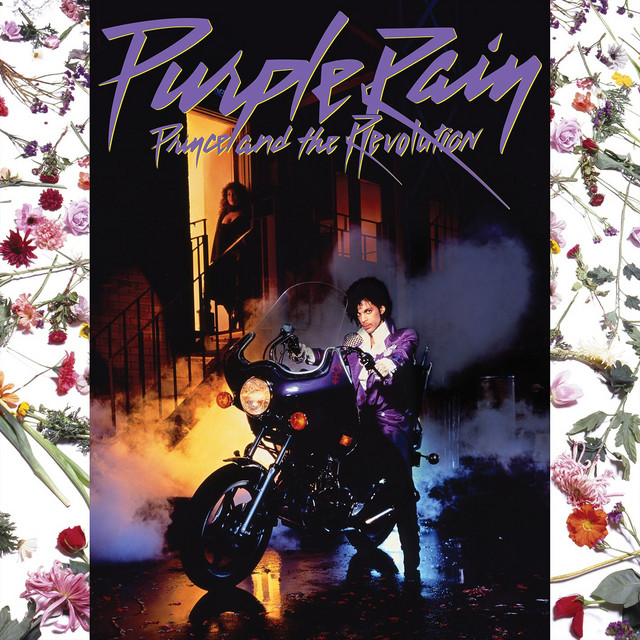
It spent 24 consecutive weeks at number one and paired Prince's guitar solos with Wendy Melvoin and Lisa Coleman's textured contributions.
- 3
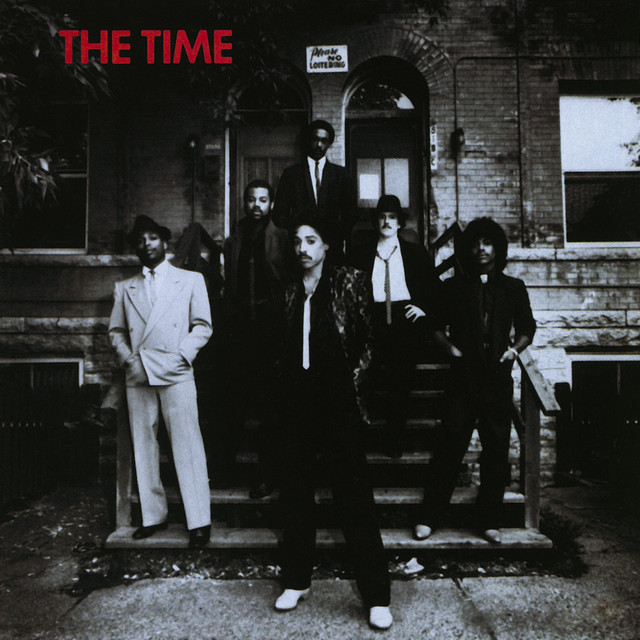
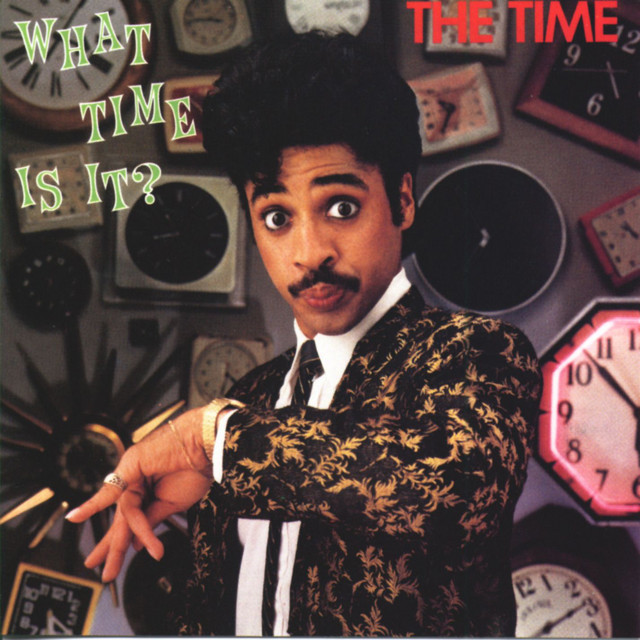
It shows the scene beyond Prince, with The Time's own guitar sound and vocal identity sharpening past his studio dominance.
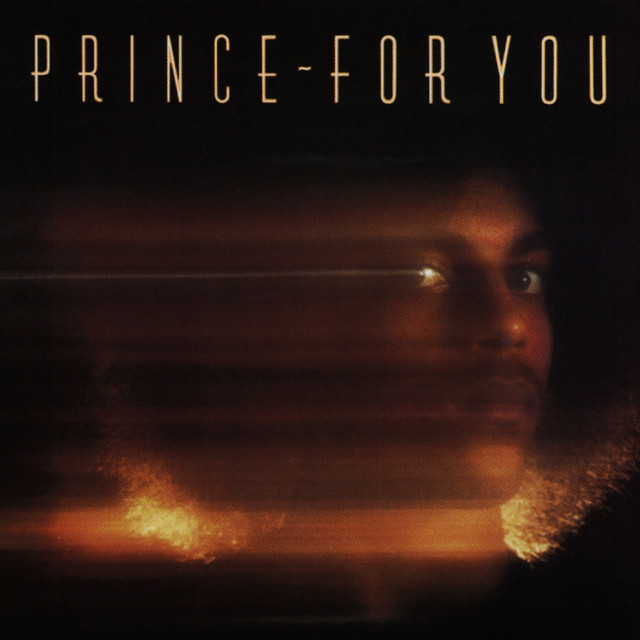
- For You
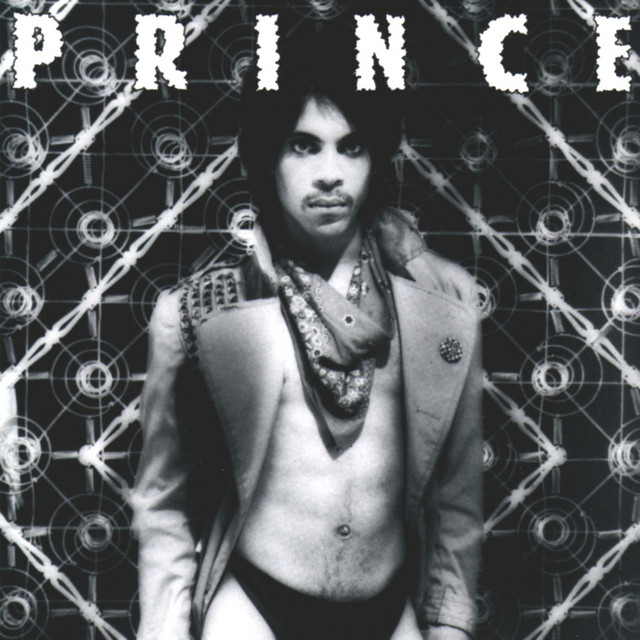
- Dirty Mind
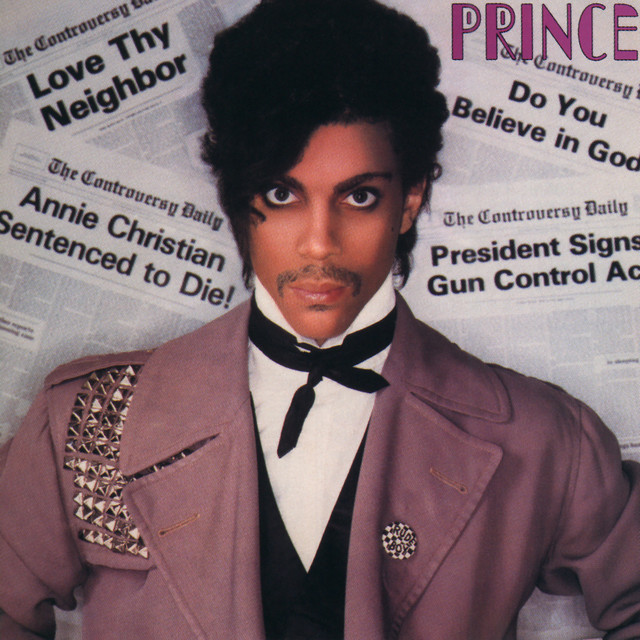
- Controversy
- The Time
- 1999
- What Time Is It?