Dubstep
How a handful of South London teenagers, a pitch-black basement in Shoreditch, and a reggae soundsystem's worth of bass weight built a genre that reshaped UK club music.
- The Basement at Plastic People
- The Night DMZ Outgrew Itself
- Five People Knew
In this issue
- 01Chapter 1The Scene1 min
- 02Chapter 2Key PlayersMembers
- 03Chapter 3Defining the SoundMembers
- 04Chapter 4StoriesMembers
- 05Chapter 5Legacy and InfluenceMembers
- 06The castWho was thereMembers
- 07In their own wordsHear them tell itMembers
- 08Essential recordsThe records that made itMembers
- 09The labelsWho put it on recordMembers
- 10The gearWhat made the soundMembers
- 11Chronology1999 to 2014Members
- 12StoriesThe stories behind itMembers
- 13PlacesWhere it happenedMembers
- 14ConnectionsWhere it ledMembers
- 15Go furtherRead and watch nextMembers
The Scene
Dubstep's real starting point sits a year or two before anyone used the word. Between 1999 and 2000, producers including Oris Jay, El-B, Steve Gurley and Zed Bias were already warping UK garage from the inside, folding drum and bass into 2-step and pushing it toward something darker and sparser. The results often ended up on the B-side of a white label. This was proto-dubstep: tracks made for garage dancefloors that didn't quite behave like garage, built around space and sub-bass rather than vocal hooks and bounce. The roots went back further, to the Jamaican sound system parties of the early 1980s. “Since we grew up around soundsystems, the sound was all about the bottom end”, Loefah said of the friends he started making tracks with.
The word itself surfaced in 2001, in the spaced-out form “dub step”, and labels like Big Apple and Tempa were using it by 2002 for records that sat apart from 2-step and grime. Neil Jolliffe of Tempa Recordings is credited with coining the compressed term, and a 2002 XLR8R cover story featuring Horsepower Productions helped establish it as the genre's name. Croydon's Big Apple Records, a record shop with its own label, became a clubhouse for the scene's earliest teenage producers: Hatcha worked the counter, and Skream started going in at 14 because his older brother, Hijak, worked there. Mala of Digital Mystikz remembered growing up in that corner of south London “thinking that the sky was grey, the streets were grey, and the buildings were grey”.
Read the rest of this issue, and every other one.
The full essay, the cast (Digital Mystikz, Burial, Kode9 and more), the records, the chronology and the stories. About 9 minutes of reading, with the music a click away.
Start your 7-day free trialThen $5 a month. Cancel any time.10 albums, and the stories behind them
- 1
Described as the "birth" of dubstep, it shows the stripped-down garage B-sides that became the new sound.
- 2
One of the first prominent dubstep albums, it took UK garage and 2-step into darker, more emotional territory.
- 3
BBC Music said it accelerated dubstep's transformation into the mainstream by mixing old-school rave with accessible pop sounds.
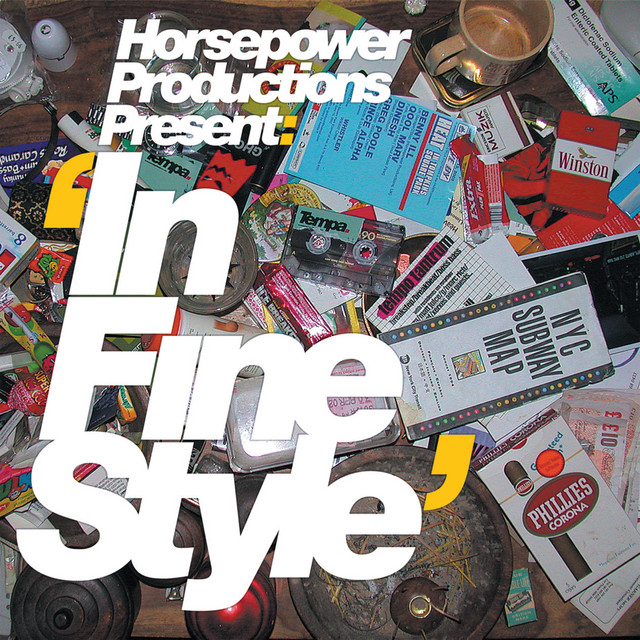


- In Fine Style
- Midnight Request Line
- Burial
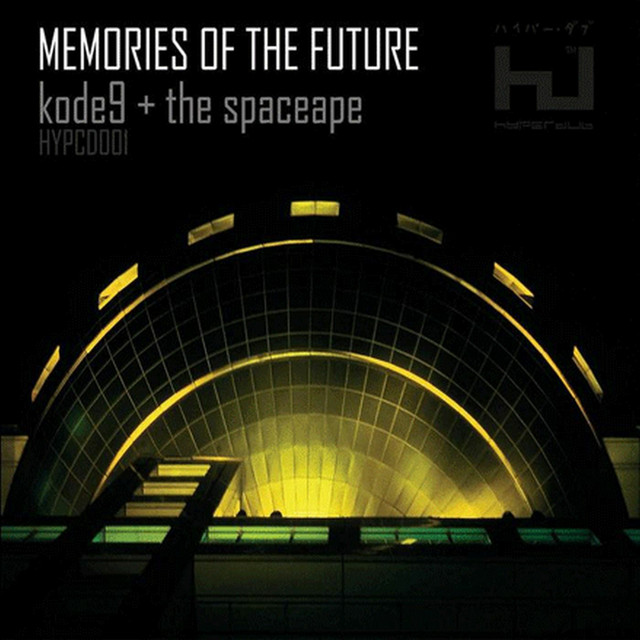
- Memories of the Future
- Skream!
- Tectonic Plates