Where to start with Brazilian Tropicália
Brazilian Tropicália is a music scene from Salvador and São Paulo, Brazil, 1967–1972. Its principal artists include Caetano Veloso, Gilberto Gil, Os Mutantes and Tom Zé. This issue covers 10 essential albums and 15 dated events.
Start here
- 1
Tropicália: ou Panis et Circencis
Various Artists · 1968It's the movement's manifesto, laying out Tropicália's sound and politics in one collaborative gesture.
- 2
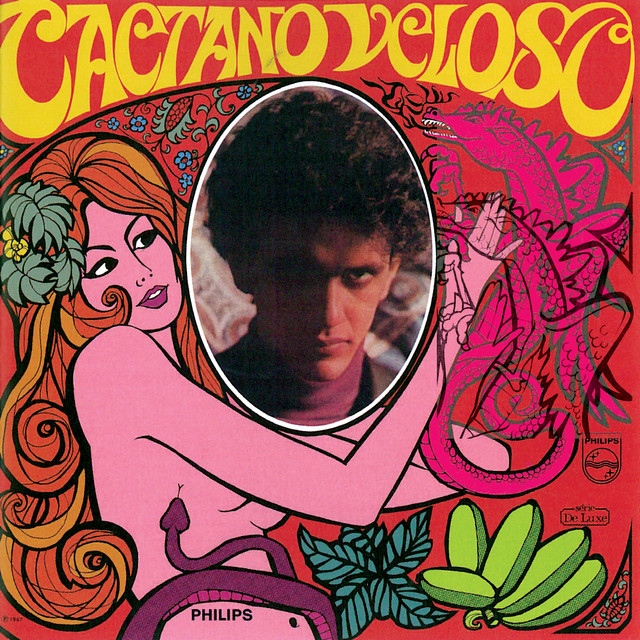
Caetano Veloso
Caetano Veloso · 1968Original release: Philips · R 765.026 L · 12″ Vinyl · Brazil 1968Its opening track 'Tropicália' named the movement and cemented Veloso as its chief provocateur.
- 3
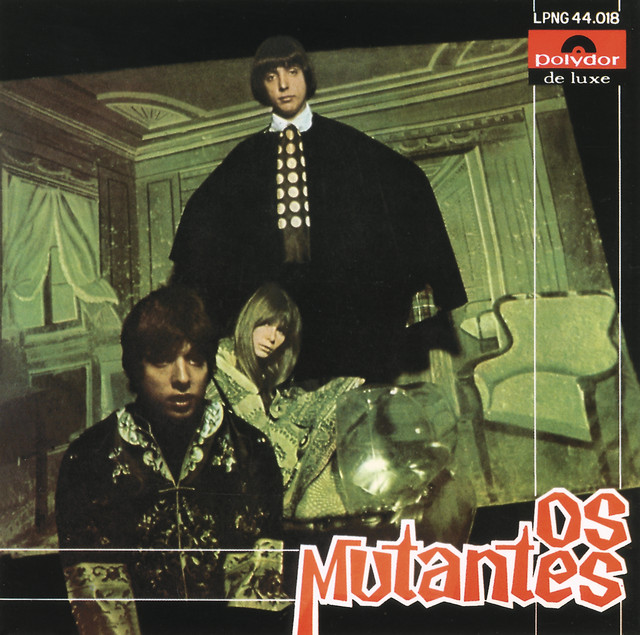
Os Mutantes
Os Mutantes · 1968Original release: Polydor · LPNG 44.018 · 12″ Vinyl · Brazil 1968It made audible the full psychedelic rock apparatus that powered Tropicália's sound alongside pop songcraft.
Go deeper
- 4
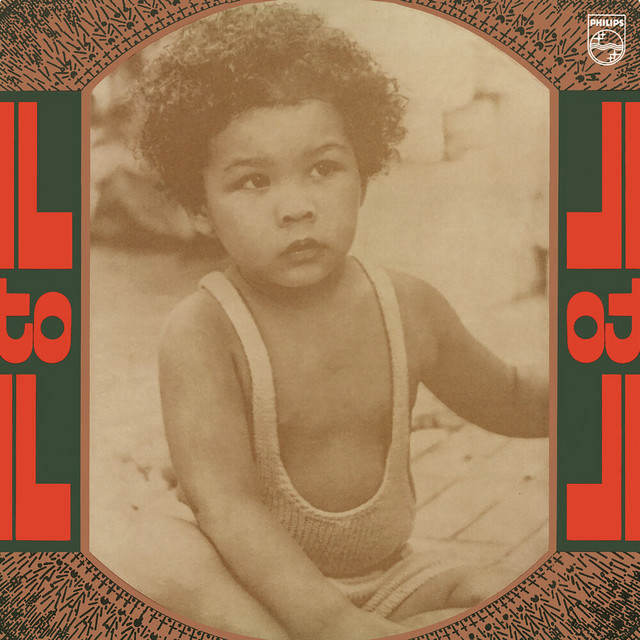
Gilberto Gil
Gilberto Gil · 1968Original release: Philips · R 765.024 L · 12″ Vinyl · Brazil 1968Gil's 1968 self-titled album, backed heavily by Os Mutantes, showed rock instrumentation and Brazilian rhythmic tradition merging more completely than almost anywhere else in Tropicália.
- 5
Gilberto Gil (Cérebro Eletrônico)
Gilberto Gil · 1969Recorded after his release from prison, this 1969 album includes 'Cérebro Eletrônico' ('Electronic Brain'), composed during Gil's three-month jail sentence under the military dictatorship.
- 6
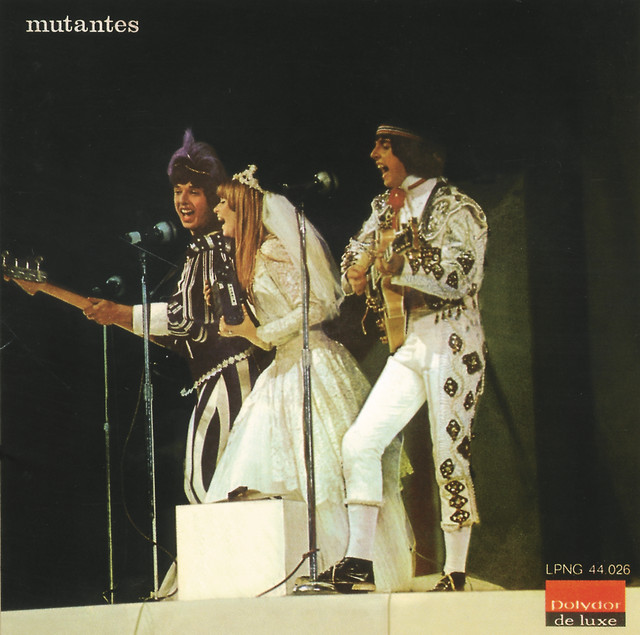
Mutantes
Os Mutantes · 1969The band's second album, released in 1969, pushed further into psychedelia even as the government tightened its grip on the movement's leaders.
- 7
Expresso 2222
Gilberto Gil · 1972Original release: Philips · 6349.034 · 12″ Vinyl · Brazil 1972Gil's first album after returning from exile in 1972 marks his post-Tropicália turn, still restless, still borrowing from Brazilian and international sources alike.
- 8
Tropicalia 2
Caetano Veloso & Gilberto Gil · 1993Original release: PolyGram do Brasil · 518 178-2 · CD · Brazil 1993This 1993 reunion, twenty-five years after the original movement, includes the politically pointed 'Haiti' and shows a creative partnership that survived imprisonment, exile, and decades apart.

For the obsessed
- 9
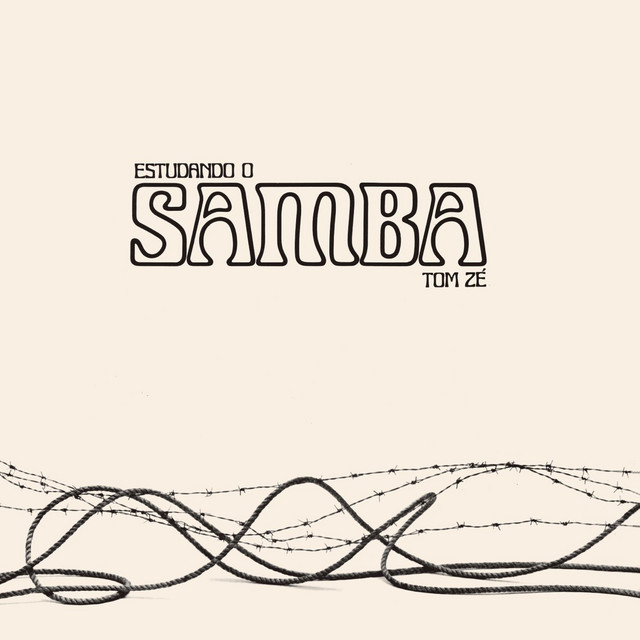
Estudando o Samba
Tom Zé · 1975Zé's most radical record uses typewriters as percussion and kitchen implements as sound sources, building dissonance and polytonality that would later anticipate post-punk and no wave.
- 10
Brazil Classics, Vol. 4: The Best of Tom Zé
Tom Zé · 1990David Byrne's 1990 Luaka Bop compilation introduced Tom Zé, and through him Tropicália's most experimental strain, to international alternative audiences, prompting a broader re-evaluation of the movement outside Brazil.
The stories behind every record are in Brazilian Tropicália, a members' issue.