São Paulo
São Paulo appears in 1 Songsheets issue: Brazilian Tropicália. 2 artists in the archive came from here, including Os Mutantes and Rogério Duprat. Key places include Teatro da Universidade Católica (TUCA), Estúdio Vice-Versa and Showroom João Sebastião Bar. The issues date one event here, in 1968.
São Paulo became Tropicália's industrial forge after 1967, when Caetano and Gil relocated here to record for the Philips label and engage with the city's cosmopolitan avant-garde scene. The movement crystallized at the III Festival de Música Popular Brasileira in 1967 (TV Record) and in recording studios where albums like "Tropicália: ou Panis et Circencis" (1968) were produced, incorporating electric guitars and concrete poetry. The city's cultural infrastructure and connection to international rock sounds transformed Bahian experimentalism into a full-blown artistic revolution before the military dictatorship imprisoned its leaders in 1968.
Scenes
Artists from São Paulo
- Os Mutantes
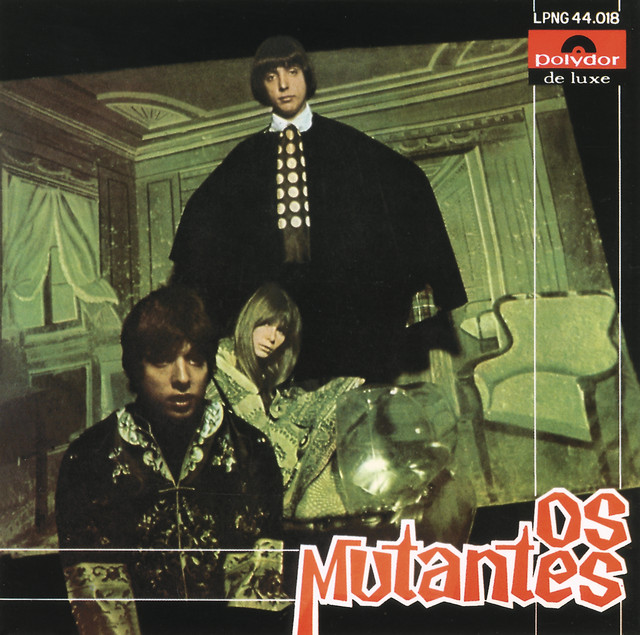
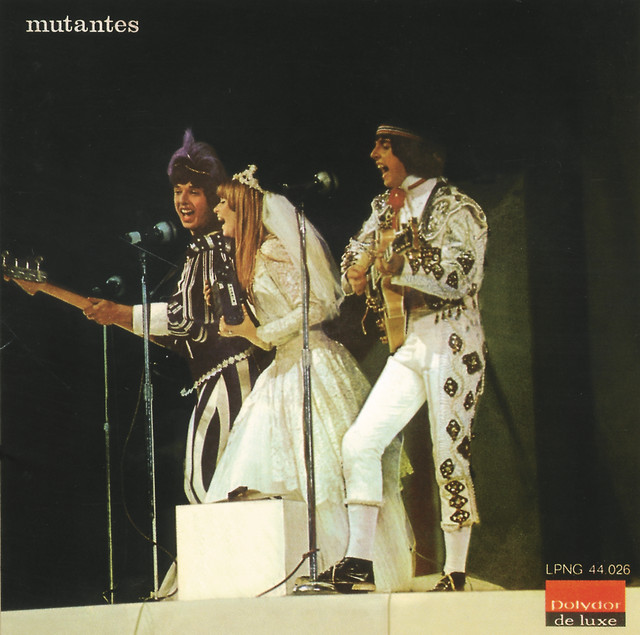
Os Mutantes were São Paulo's psychedelic rock trio: brothers Arnaldo Baptista on bass and keyboards and Sérgio Dias Baptista on guitar, alongside singer Rita Lee.
- Rogério Duprat
Rogério Duprat was the orchestral arranger who gave Tropicália its avant-garde teeth.
Places
- Teatro da Universidade Católica (TUCA)1967-1969 · Brazilian Tropicália
Site of the 1968 International Song Festival where Caetano Veloso's performance of 'É Proibido Proibir' provoked students to hurl garbage at the stage. The riot crystallized the movement's confrontation with both left and right orthodoxies.
- Estúdio Vice-Versa1967-1972 · Brazilian Tropicália
Os Mutantes recorded their experimental debut here, building homemade instruments and utilizing the studio's limited equipment to create Brazil's most radical psychedelic sounds. Rogério Duprat arranged many sessions in this space.
- Showroom João Sebastião Bar1968-1971 · Brazilian Tropicália
An intimate performance space where Os Mutantes and other tropicália artists tested new material before São Paulo audiences. The venue's bohemian atmosphere encouraged experimentation that would have been impossible at larger festivals.
What happened here
- 1968"Tropicália: ou Panis et Circencis" released
The collaborative manifesto album featuring Veloso, Gil, Costa, Tom Zé, Os Mutantes, with arrangements by Rogério Duprat, defines the movement's aesthetic and political vision.
Brazilian Tropicália