Neu!
Klaus Dinger and Michael Rother formed this minimalist Düsseldorf duo in 1971 after both left Kraftwerk. Together they invented the motorik beat, Dinger's relentless quarter-note kick drum pattern that became krautrock's rhythmic backbone, and cut three albums of taut, forward-driving music with producer Conny Plank between 1972 and 1975 before creative tensions pulled them apart. Dinger's confrontational perfectionism never sat easily with Rother's more atmospheric instincts, and that friction is audible across the records, tightening into propulsion on some tracks and fraying into noise on others.
At a glance
- Active
- 1971–1975
- From
- Düsseldorf, West Germany
- Records in the issues
- 2 (1972–1973), 1 of them a Start here pick
- Original labels
- Billingsgate and Brain
- Listening guide track
- “Hallogallo”
Listen
In the German Krautrock listening guide: “Hallogallo”
In the issues
- German KrautrockPrincipal · 1968-1975
German Krautrock is a music scene from West Germany (Düsseldorf, Cologne, Berlin), 1968–1975. Its principal artists include Kraftwerk, Can, Neu! and Tangerine Dream. This issue covers 10 essential albums and 12 dated events.
Records
Neu!
1972 · Start here in German KrautrockOriginal release: Billingsgate · BG 1001 · 12″ Vinyl · US 1972The debut established the motorik beat that came to define krautrock's rhythmic identity. Klaus Dinger's relentless quarter-note kick drum and Michael Rother's processed guitar produced a forward-flowing, hypnotic sound that shaped post-punk and later electronic dance music, with Joy Division's Stephen Morris among the drummers who took direct notes from it.
Listen on SpotifyNeu! 2
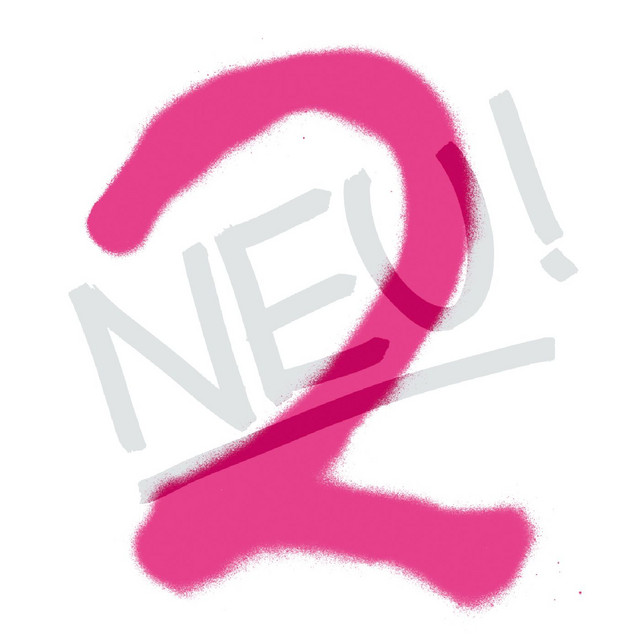
1973 · Go deeper in German KrautrockOriginal release: Brain · BRAIN 1028 · 12″ Vinyl · Germany 1973Half new material, half manipulated versions of existing tracks, the record was born from running out of studio money. Dinger and Rother took what they already had and played it back at different speeds, effectively inventing a remix aesthetic a full decade before DJ culture caught up to the idea.
Listen on Spotify

Family tree
Bands that shared members with Neu!, and who.
Places
- Conny's Studio (Conny Plank Studio)Cologne · 1969-1987 · German Krautrock
Producer Conny Plank's studio where he recorded Neu!, Cluster, Harmonia, and early Kraftwerk, becoming the sonic architect of krautrock's experimental production techniques.
Terms
- Motorik
- A steady, driving 4/4 drumbeat associated with German krautrock, pioneered by Can's Jaki Liebezeit and Neu!'s Klaus Dinger.