Gang of Four
Formed at Leeds University in 1976, Gang of Four built a sound where Marxist theory and dance floor physicality had to coexist, whether they liked it or not. Andy Gill's guitar avoided rock's power chords almost entirely, drawing instead from free jazz and Dr. Feelgood's wiry pub-rock attack to produce something scratchy and abrasive. Jon King hectored over the top while bassist Dave Allen and drummer Hugo Burnham locked into grooves that owed as much to funk as to punk. The band managed to be political without turning into a lecture and danceable without ever feeling comfortable, and that tension is what later dance-punk and art-rock acts kept coming back to.
At a glance
- Active
- 1977–2011
- From
- Leeds, UK
- Records in the issues
- 1 (1979), 1 of them a Start here pick
- Original label
- EMI
- Listening guide track
- “Damaged Goods”
Listen
In the UK Post-Punk listening guide: “Damaged Goods”
In the issues
- UK Post-PunkSupporting cast · 1977-1984
UK Post-Punk is a music scene from United Kingdom, 1977–1984. Its principal artists include Joy Division, Siouxsie and the Banshees, The Fall and Public Image Ltd. This issue covers 10 essential albums and 18 dated events.
Records
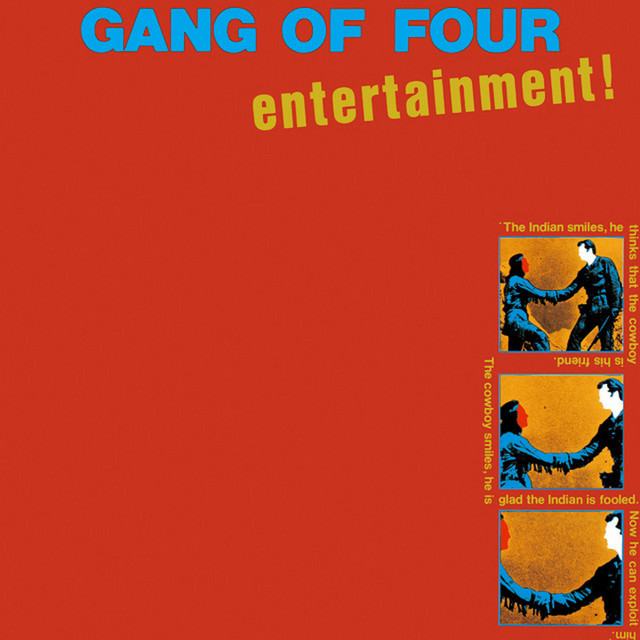
Entertainment!
1979 · Start here in UK Post-PunkOriginal release: EMI · EMC 3313 · 12″ Vinyl · UK 1979Gang of Four's debut fused Marxist politics with a funk-inflected attack, Andy Gill's scratchy, angular guitar stripped of rock's usual power chords and traded for something abrasive and precise. The record influenced dance-punk and art-rock for years afterward by proving intellectual rigor and physical intensity didn't have to cancel each other out.
Listen on Spotify