Can
Built around ex-Stockhausen students Holger Czukay and Irmin Schmidt, this Cologne collective fused academic electronic technique with rock's physical force. Their instant composition method, hours of improvisation edited down into finished pieces, gave krautrock its funkiest variant, especially once vocalist Damo Suzuki joined. Jaki Liebezeit's metronomic drumming and Michael Karoli's processed guitar filled out a sound recorded in a converted cinema, with Czukay working as editor as much as bassist. Liebezeit later described the ethos of the whole '68 generation of German musicians in stark terms: they were "making something out of the cultural poverty of a total breakdown of civilisation." For a country still working through the unspoken weight of the war, that meant building something with no domestic tradition to lean on and no interest in copying Anglo-American rock. Can's members were among the era's more disciplined survivors of that ferment, turning marathon studio sessions into some of the most enduring music to come out of it.
At a glance
- Active
- 1968–1979
- From
- Cologne, West Germany
- Records in the issues
- 2 (1971–1972), 1 of them a Start here pick
- Original label
- United Artists
Listen
In the issues
- German KrautrockPrincipal · 1968-1975
German Krautrock is a music scene from West Germany (Düsseldorf, Cologne, Berlin), 1968–1975. Its principal artists include Kraftwerk, Can, Neu! and Tangerine Dream. This issue covers 10 essential albums and 12 dated events.
Records
Tago Mago
1971 · Start here in German KrautrockOriginal release: United Artists · UAS 29 211 X · 12″ Vinyl · Germany 1971A double album and Damo Suzuki's first full studio album with Can, following his tracks on 1970's Soundtracks. Holger Czukay and Jaki Liebezeit had found him busking outside a Munich café and invited him to perform with the band that same night. Jaki Liebezeit's jazz-schooled, machine-steady drumming, loose improvised guitar and keyboards, Holger Czukay's tape editing, and Suzuki's wordless glossolalia vocals made it one of the most extreme records to come out of the scene.
Listen on SpotifyEge Bamyasi
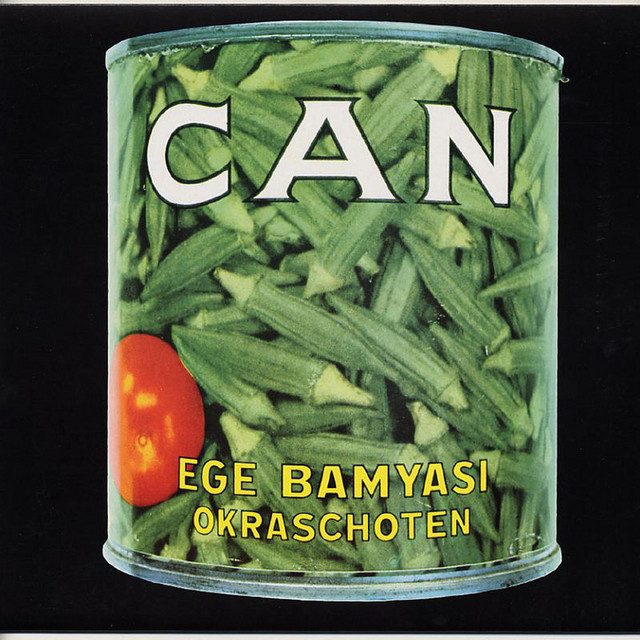
1972 · Go deeper in German KrautrockMore accessible than Tago Mago but still deeply experimental, the album included the hit single "Spoon" and proved Can could fold its instant composition method into genuine pop sensibility without losing its edge. Holger Czukay's editing, cutting tape with razor blades to splice together the strongest moments from hours of jamming, remained the backbone of the band's process.
Listen on Spotify

Family tree
Bands that shared members with Can, and who.
- The Inner Space1968–1968David C. Johnson, Holger Czukay, Irmin Schmidt, Jaki Liebezeit, Malcolm Mooney, Michael Karoli
Places
- Inner Space (Can's Studio)Cologne · 1971-1978 · German Krautrock
A converted cinema in Weilerswist where Can recorded their most influential albums including Tago Mago and Ege Bamyasi, allowing for extended improvisation sessions and experimental recording techniques.
Terms
- Motorik
- A steady, driving 4/4 drumbeat associated with German krautrock, pioneered by Can's Jaki Liebezeit and Neu!'s Klaus Dinger.