UK Grime
How East London teenagers built a sound from pirate radio static, PlayStation beats, and the wreckage of UK garage
- The Dungeon Sessions
- The Cyprus Stabbing and Mercury Prize
- Form 696 and the War on Grime
In this issue
- 01Chapter 1The Scene3 min
- 02Chapter 2Key PlayersMembers
- 03Chapter 3Defining the SoundMembers
- 04Chapter 4StoriesMembers
- 05Chapter 5Legacy and InfluenceMembers
- 06The castWho was thereMembers
- 07In their own wordsHear them tell itMembers
- 08Essential recordsThe records that made itMembers
- 09The labelsWho put it on recordMembers
- 10The gearWhat made the soundMembers
- 11Chronology1999 to 2019Members
- 12StoriesThe stories behind itMembers
- 13PlacesWhere it happenedMembers
- 14ConnectionsWhere it ledMembers
- 15Go furtherRead and watch nextMembers
The Scene
The genesis wasn't 2003. It wasn't even Boy in da Corner. Grime's true origin sits further back, in the late 1990s, when UK garage began splitting along class lines. The proto-scene emerged in the tension between the Dreem Team's champagne aspirations and the tower block teenagers who couldn't afford the dress code. Pay As U Go Cartel's 'Know We' in 2000 made the first crack—a darker garage track with clearly demarcated space for rapid-fire MCing. That same year, a 16-year-old Dizzee Rascal produced 'Crime' on a school computer in Poplar. Wiley created 'Eskimo' at Christmas 1999 or early 2000 (though it wouldn't see official release until 2002). These weren't grime tracks yet—the word didn't exist—but they were the fracture points where UK garage's glossy surface cracked open.
The geography mattered. Bow, Stratford, Hackney, Plaistow—areas where tower blocks dominated the skyline and youth clubs closed early. Pirate radio transmitters hidden in council flats on Roman Road. Rhythm Division record store became an unofficial headquarters where artists like Wiley, Skepta, and Dizzee congregated before its closure in 2010. Jammer's basement in Leytonstone—The Dungeon—was the scene's workshop, its walls eventually covered in thousands of signatures. These weren't chosen locations. They were what was available when you had no money and the establishment wanted nothing to do with you.
Read the rest of this issue, and every other one.
The full essay, the cast (Wiley, Dizzee Rascal, Skepta and more), the records, the chronology and the stories. About 14 minutes of reading, with the music a click away.
Start your 7-day free trialThen $5 a month. Cancel any time.10 albums, and the stories behind them
- 1
Grime's first Mercury Prize winner and its first real breakout beyond a suffocatingly local scene.
- 2
The Godfather's founding statement, cementing the eskibeat blueprint as the genre's template.
- 3
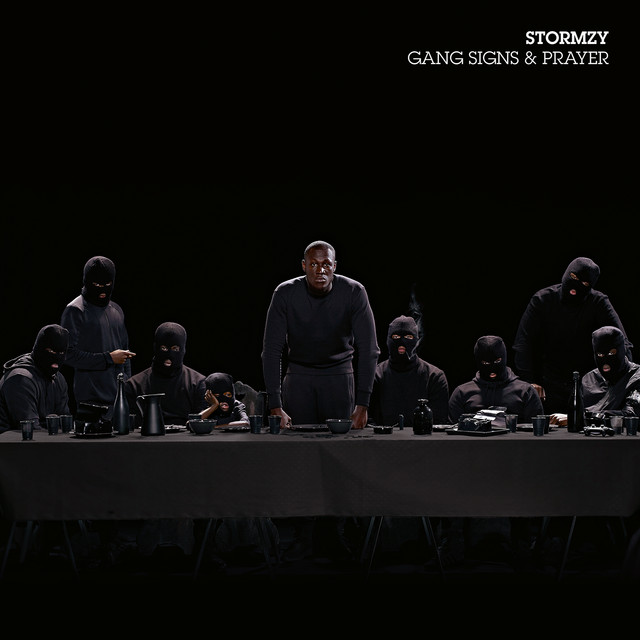
Shows how far grime's infrastructure carried the sound to a number-one debut in 2017.


- Boy in da Corner
- Treddin' on Thin Ice
- Home Sweet Home
- Against All Oddz
- Maths + English
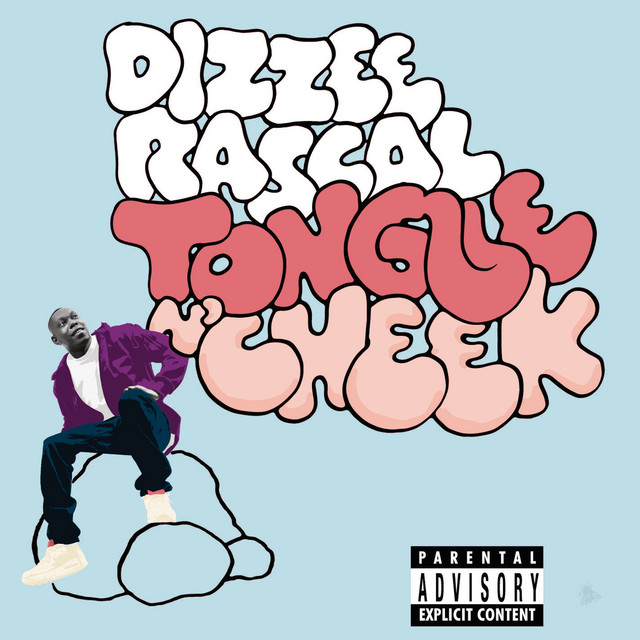
- Tongue n' Cheek