Southern Hip-Hop
How Atlanta, Houston, Memphis, and Miami built the third coast and reshaped American rap from the margins to the center
- The Dungeon
- The Source Awards Moment
- Pimp C's Last Days
In this issue
- 01Chapter 1The Scene2 min
- 02Chapter 2Key PlayersMembers
- 03Chapter 3Defining the SoundMembers
- 04Chapter 4StoriesMembers
- 05Chapter 5Legacy and InfluenceMembers
- 06The long readLaugh If You WantMembers
- 07The castWho was thereMembers
- 08Family treeWho played with whomMembers
- 09In their own wordsHear them tell itMembers
- 10Essential recordsThe records that made itMembers
- 11The labelsWho put it on recordMembers
- 12The gearWhat made the soundMembers
- 13Chronology1986 to 2009Members
- 14StoriesThe stories behind itMembers
- 15PlacesWhere it happenedMembers
- 16ConnectionsWhere it ledMembers
- 17Go furtherRead and watch nextMembers
The Scene
Before the South had a name in hip-hop, it had the Geto Boys. In 1986, when Houston's Rap-A-Lot Records founder James Smith started assembling what would become the city's first nationally recognized rap group, East and West Coast artists dominated every chart and controlled every story about what hip-hop could be. The South wasn't on the map. It wasn't even in the conversation. But in garages and basements from Port Arthur to Memphis, from Atlanta to Miami, a parallel tradition was taking shape, one built on different rhythms, different slang, and a fundamental rejection of the idea that credibility had to be imported from New York or Los Angeles.
The Geto Boys' 1989 album Grip It! On That Other Level, produced largely by Houston's DJ Ready Red and featuring the confrontational street narratives of Scarface, Willie D, and Bushwick Bill, became the South's first statement of intent. This wasn't bounce along to the boom-bap. This was slower, heavier, more menacing. By 1991, with We Can't Be Stopped, the group had proven that Southern artists could command national attention on their own terms. But the industry still treated the region as an afterthought, a place where local independent labels might move units regionally but would never compete with the majors based in New York and L.A.
Read the rest of this issue, and every other one.
The full essay, the cast (Outkast, UGK, Three 6 Mafia and more), the records, the chronology and the stories. About 12 minutes of reading, with the music a click away.
Start your 7-day free trialThen $5 a month. Cancel any time.10 albums, and the stories behind them
- 1
It proved Southern rap could be regionally specific and commercially viable, establishing the live-instrumentation aesthetic that defined the scene.
- 2
It carried the Gulf Coast's blues-inflected, Pimp C-produced sound into national relevance, showing the scene's other founding region.
- 3
It became the blueprint for Memphis's dark, horror-influenced production style, revealing a third distinct pillar of the Southern sound.
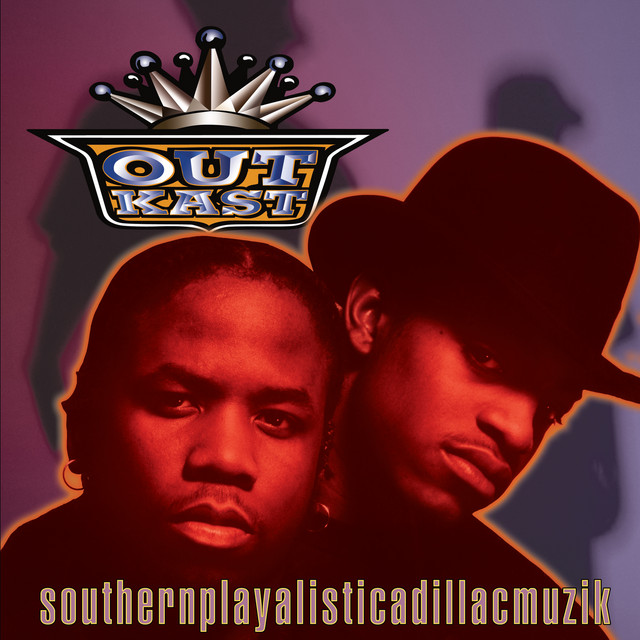
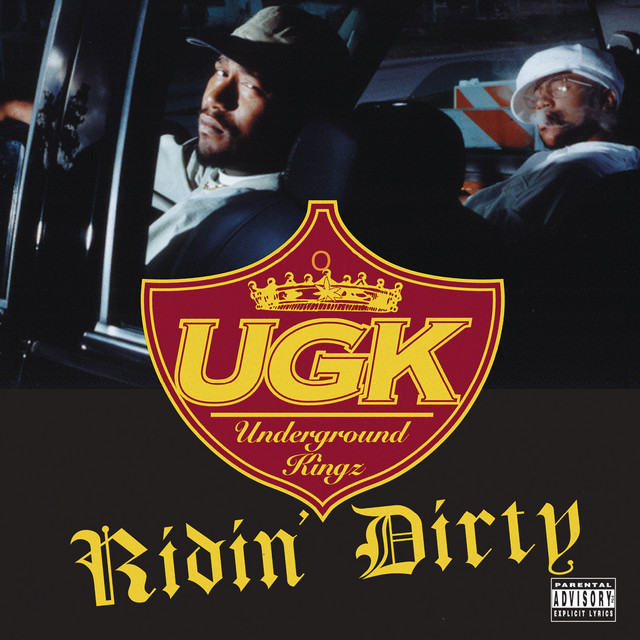
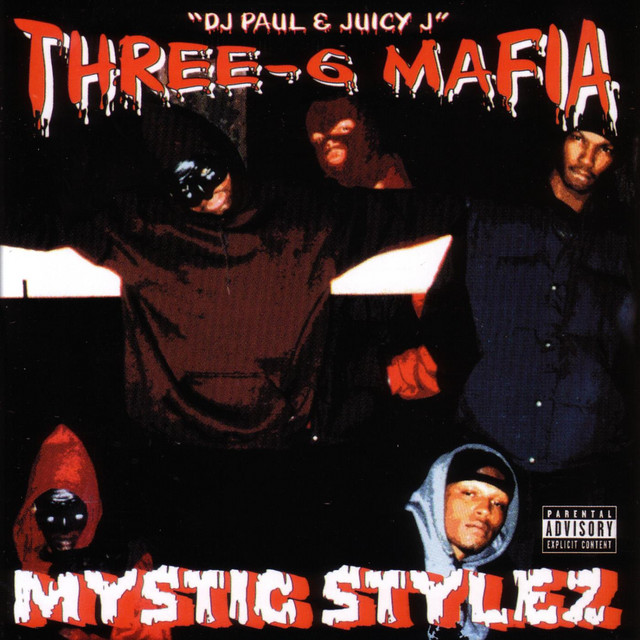
- Southernplayalisticadillacmuzik
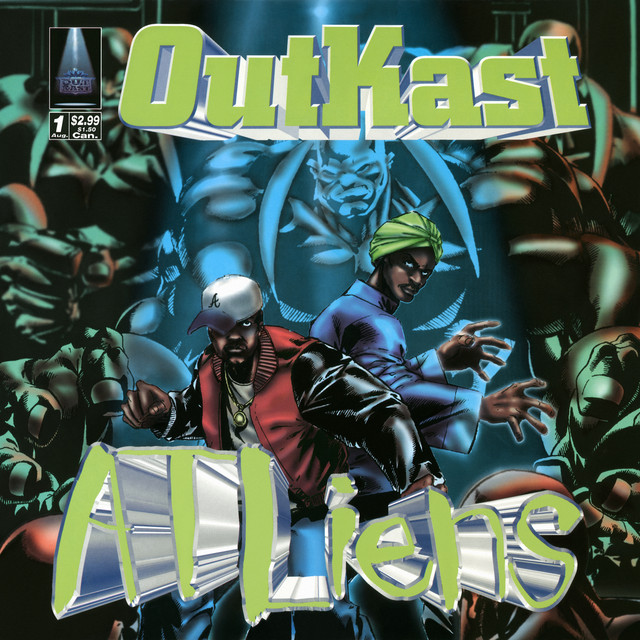
- ATLiens
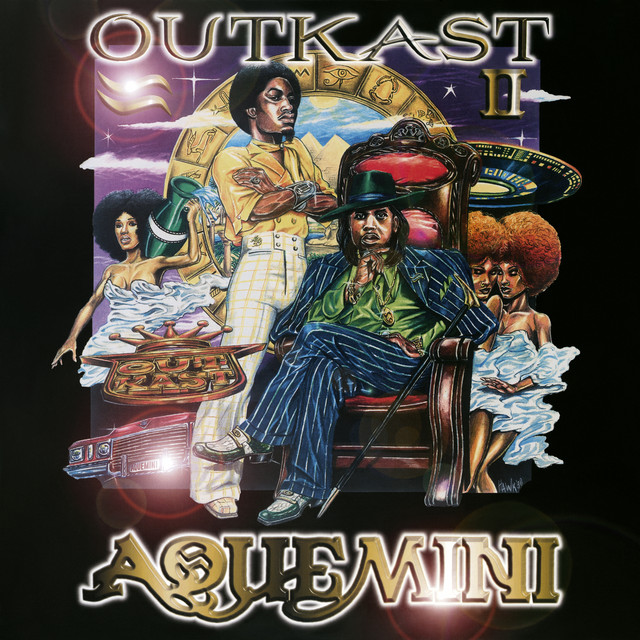
- Aquemini
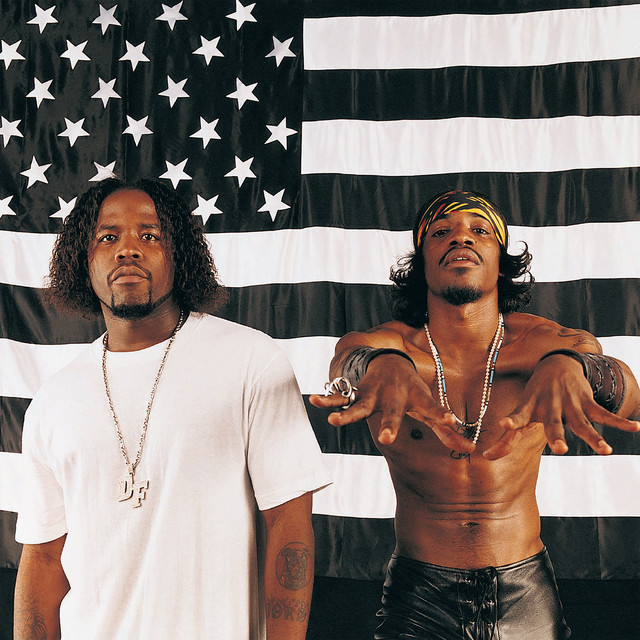
- Stankonia
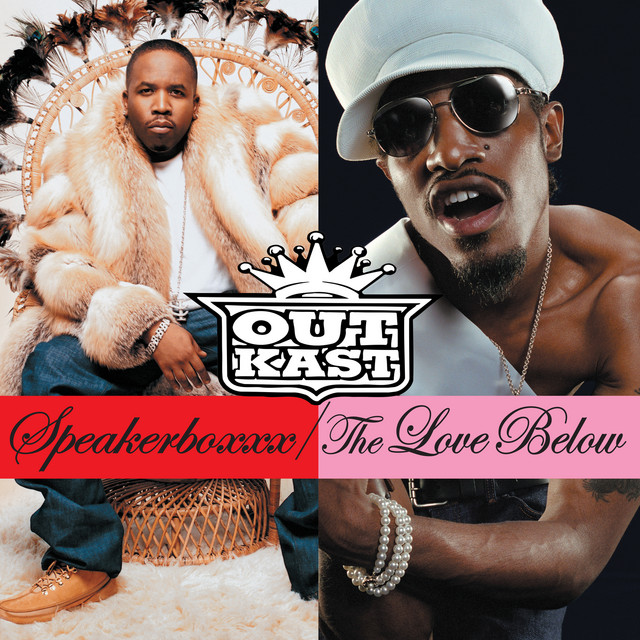
- Speakerboxxx/The Love Below
- Ridin' Dirty