Seattle Grunge
How a rain-soaked Pacific Northwest city turned punk fury and metal sludge into the last great rock revolution
- The First Time 'Grunge' Appeared in Print
- The Night Soundgarden Waded Into Lake Washington
- When Pearl Jam Testified Before Congress
In this issue
- 01Chapter 1The Scene2 min
- 02Chapter 2Key PlayersMembers
- 03Chapter 3Defining the SoundMembers
- 04Chapter 4StoriesMembers
- 05Chapter 5Legacy and InfluenceMembers
- 06The long readSay Hello 2 HeavenMembers
- 07The castWho was thereMembers
- 08Family treeWho played with whomMembers
- 09In their own wordsHear them tell itMembers
- 10Essential recordsThe records that made itMembers
- 11The labelsWho put it on recordMembers
- 12The gearWhat made the soundMembers
- 13Chronology1980 to 1997Members
- 14StoriesThe stories behind itMembers
- 15PlacesWhere it happenedMembers
- 16ConnectionsWhere it ledMembers
- 17Go furtherRead and watch nextMembers
The Scene
The spark came earlier than most accounts admit. Before anyone used the word grunge, before Sub Pop existed as a label, there was a band called the Melvins playing Black Sabbath riffs at half speed. In 1984, when Black Flag rolled through small Pacific Northwest towns on tour, their set had mutated from Sex Pistols sprint to Black Sabbath dirge. Krist Novoselic went with the Melvins to see one of these shows. Afterward, Melvins frontman Buzz Osborne started writing slow, heavy riffs that became the template for what Seattle would sound like. The Melvins were the patient zero of grunge, even if they'd never claim the title.
Seattle itself was an unlikely candidate for rock mecca. A mid-sized port city with cheap rent, grey skies nine months a year, and a progressive college—Evergreen State in nearby Olympia—that didn't use conventional grades and ran its own radio station, KAOS. The University of Washington had its own station too, KCMU. By the mid-1980s, a small constellation of bands had formed: Green River, Skin Yard, Malfunkshun. They played to tiny crowds at venues like the Showbox and the Off Ramp, where admission rarely topped six bucks and local microbrews cost a dollar. When Bruce Pavitt's Sub Pop zine morphed into an actual label in 1986, it gave the scene an identity before most participants knew they were part of one.
Read the rest of this issue, and every other one.
The full essay, the cast (Nirvana, Pearl Jam, Soundgarden and more), the records, the chronology and the stories. About 14 minutes of reading, with the music a click away.
Start your 7-day free trialThen $5 a month. Cancel any time.10 albums, and the stories behind them
- 1
This EP gave grunge its name, setting the template for how the entire scene would be described.
- 2
Recorded for $606.17, it defined Sub Pop's lo-fi aesthetic and introduced Kurt Cobain's songwriting to the world.
- 3
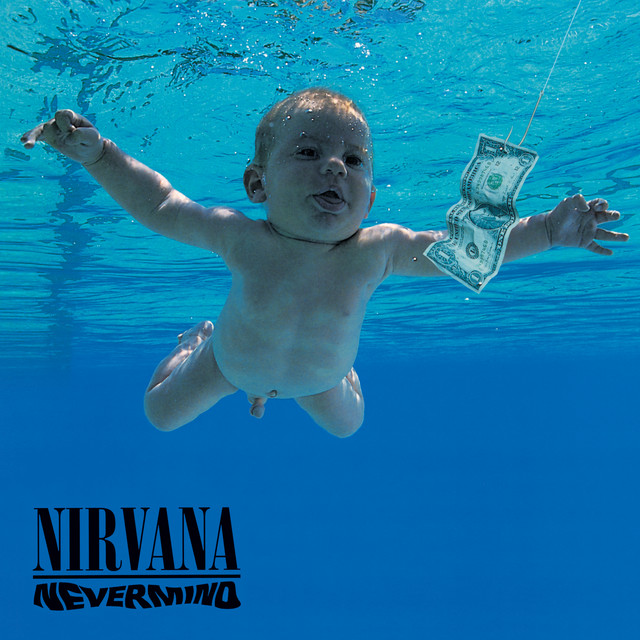
It broke grunge into the mainstream, selling 13 million copies and making alternative rock dominant in the 1990s.

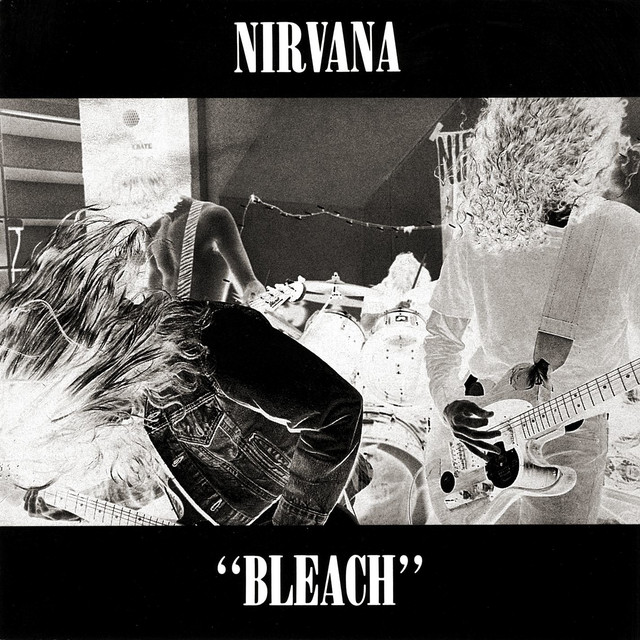
- Bleach
- Nevermind
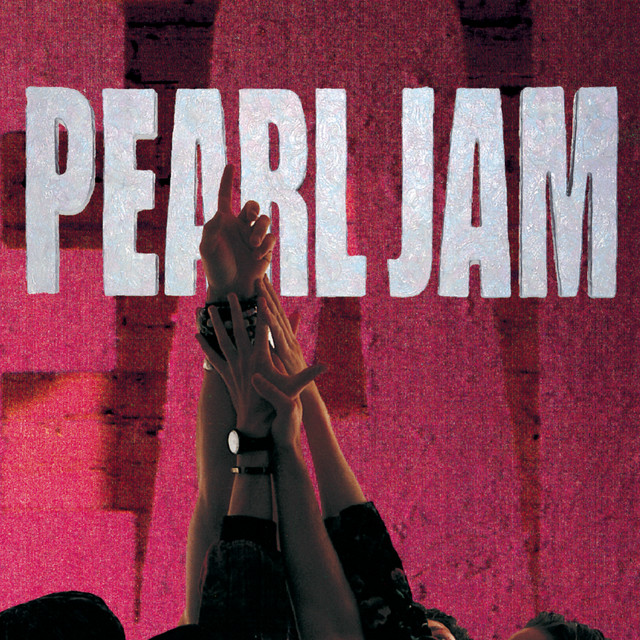
- Ten
- Badmotorfinger
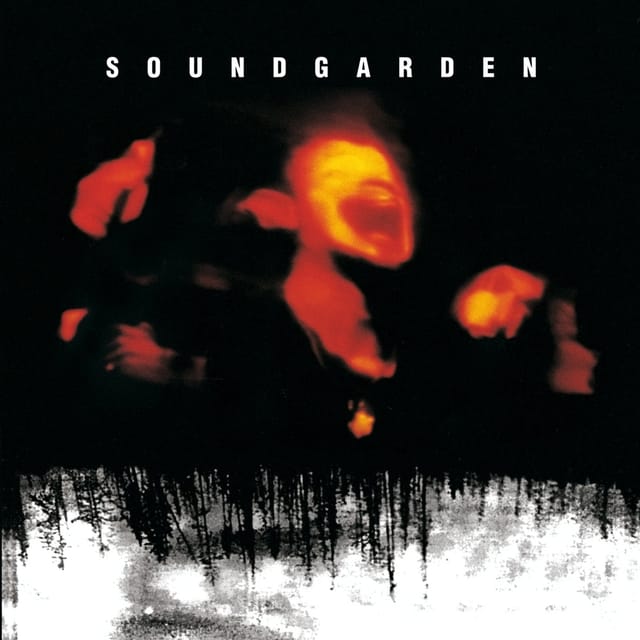 Superunknown
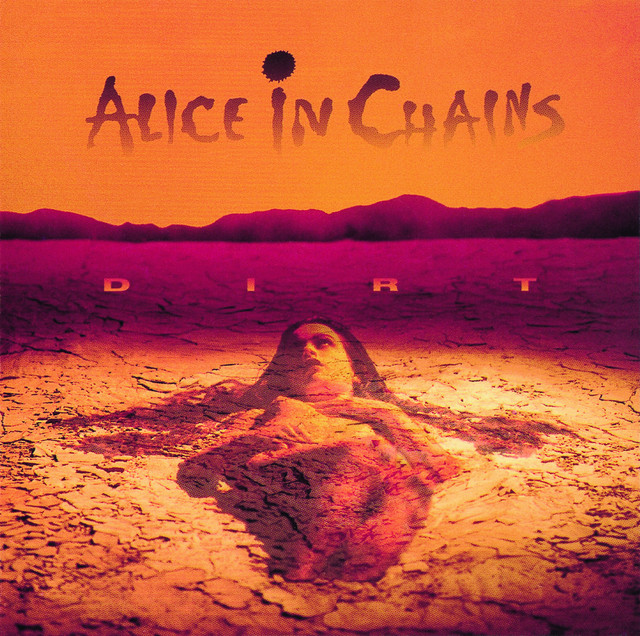
- Dirt