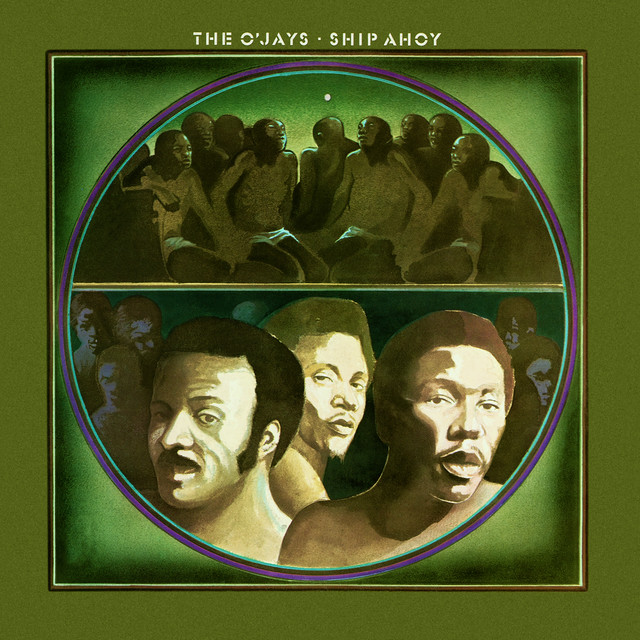
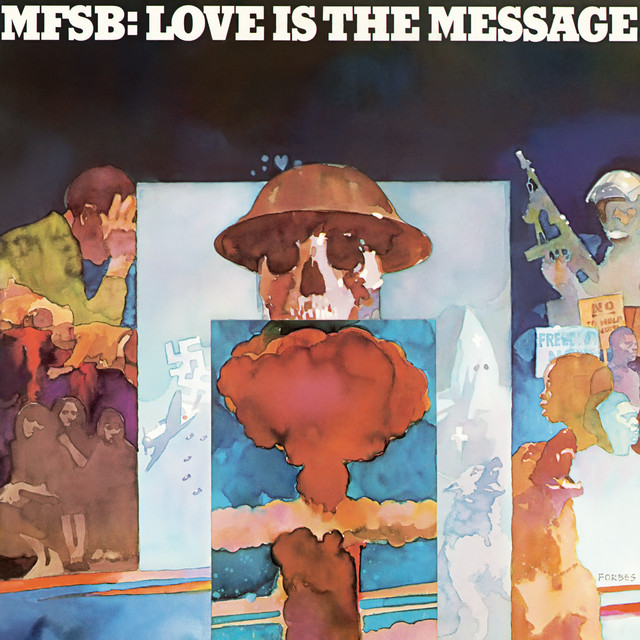
Philadelphia Soul
How Gamble, Huff, and a team of studio craftsmen put the bow tie on funk and laid the blueprint for disco
- The Cafe Affair That Became "Me and Mrs. Jones"
- When Atlantic Said No
- The First 12-Inch Single
In this issue
- 01Chapter 1The Scene1 min
- 02Chapter 2Key PlayersMembers
- 03Chapter 3Defining the SoundMembers
- 04Chapter 4StoriesMembers
- 05Chapter 5Legacy and InfluenceMembers
- 06The castWho was thereMembers
- 07Family treeWho played with whomMembers
- 08In their own wordsHear them tell itMembers
- 09Essential recordsThe records that made itMembers
- 10The labelsWho put it on recordMembers
- 11Chronology1964 to 2008Members
- 12StoriesThe stories behind itMembers
- 13PlacesWhere it happenedMembers
- 14ConnectionsWhere it ledMembers
- 15Go furtherRead and watch nextMembers
The Scene
Philadelphia in 1971 smelled like possibility. While Motown's assembly line sputtered in Detroit, Kenny Gamble and Leon Huff took over 309 South Broad Street—a converted Cameo-Parkway Records building where Chubby Checker had launched the Twist a decade earlier. Philadelphia International Records opened with CBS backing, Clive Davis writing checks that Atlantic Records had refused to cut. Berry Gordy finally had a rival.
The Sound of Philadelphia evolved slowly. Gamble and Huff had spent the late sixties producing simpler tracks for The Soul Survivors and The Intruders, learning the machinery of hit-making. By 1971 they'd refined their ambitions: lush string arrangements played by Philadelphia Orchestra members, basslines that rattled car windows, sliding hi-hat rhythms that would define disco before disco had a name. Fred Wesley, James Brown's trombonist, called it “putting the bow tie on funk.” Accurate. This was funk smoothed for pop radio, gospel intensity wrapped in seventy-piece orchestras, the groove made elegant without losing its sweat.
Read the rest of this issue, and every other one.
The full essay, the cast (Gamble & Huff, The O'Jays, MFSB and more), the records, the chronology and the stories. About 16 minutes of reading, with the music a click away.
Start your 7-day free trialThen $5 a month. Cancel any time.10 albums, and the stories behind them
- 1
Philadelphia International's breakthrough set the template for socially conscious, lushly arranged Philly soul with a number-one title track.
- 2
TSOP became Soul Train's theme and hit number one, a near-unheard-of feat that shows the house band's central role.
- 3
Introduces Philadelphia International's biggest solo star and the raw, sensual vocal style that defined the label's sound.
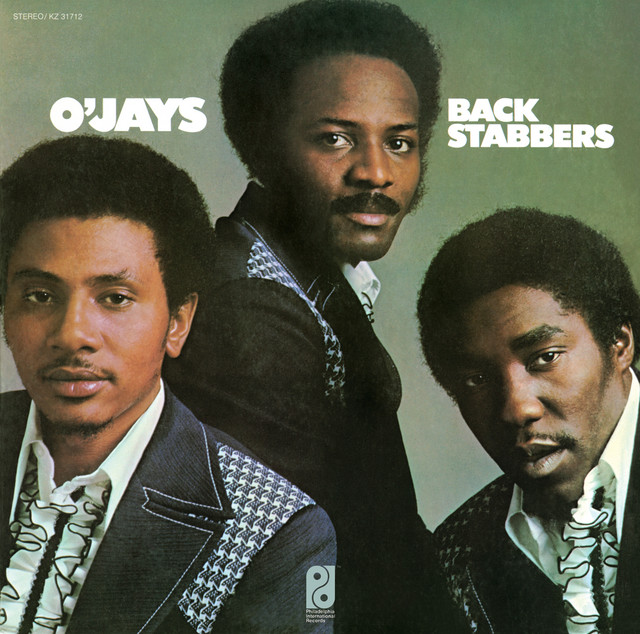
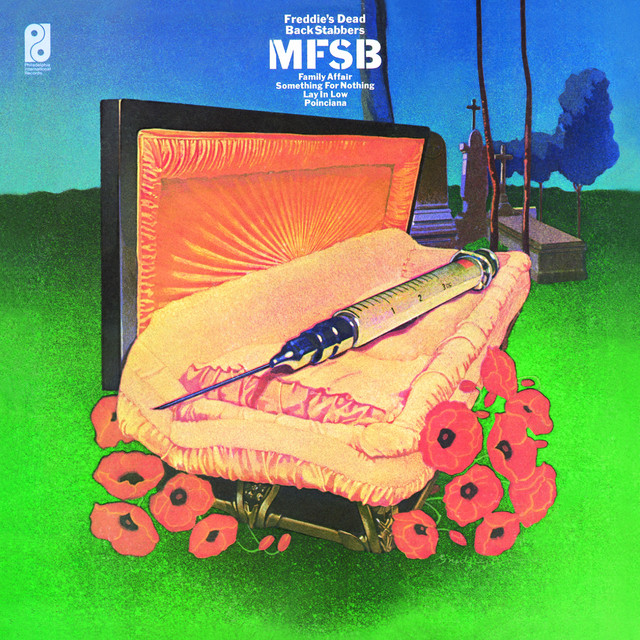

- Back Stabbers
- Ship Ahoy
- 360 Degrees of Billy Paul
- Love Is the Message
- MFSB
- Teddy Pendergrass