90s Midwest Emo
How basement shows in Champaign and Chicago suburbs transformed hardcore's fury into introspective math-rock reverie
- The American Football House Becomes a Landmark
- Braid's Japan Tour Disaster
- Cap'n Jazz Breaks Up With Their Fists
In this issue
- 01Chapter 1The Scene2 min
- 02Chapter 2Key PlayersMembers
- 03Chapter 3Defining the SoundMembers
- 04Chapter 4StoriesMembers
- 05Chapter 5Legacy and InfluenceMembers
- 06The castWho was thereMembers
- 07Family treeWho played with whomMembers
- 08In their own wordsHear them tell itMembers
- 09Essential recordsThe records that made itMembers
- 10The labelsWho put it on recordMembers
- 11The gearWhat made the soundMembers
- 12Chronology1983 to 2023Members
- 13StoriesThe stories behind itMembers
- 14PlacesWhere it happenedMembers
- 15ConnectionsWhere it ledMembers
- 16Go furtherRead and watch nextMembers
The Scene
Before Midwest emo had a name, there was Squirrel Bait. Louisville, Kentucky, 1983. A group of teenagers started playing what would later be called “early Midwestern emotional hardcore”—fast, angular, but shot through with something more vulnerable than D.C. hardcore's template. That same year, Honor Role formed in Indiana, laying groundwork for what would eventually coalesce in Chicago. By 1987, Articles of Faith's posthumous In This Life became Chicago's first emo record—introspective lyrics and indie rock textures over a conventional hardcore base. Louisville's Slint followed, making experimental music that Spin would describe as “King Crimson gone emo,” fusing math rock's complexity with emotional weight. These were the scattered sparks. Bands happening too early, too far from the coasts, playing music that wouldn't have a proper vocabulary for years.
The scene crystallized in the early 1990s in the western suburbs of Chicago, particularly Downers Grove. Centered around Shakefork Records, bands like Ivy League, Friction, and Manneqvin Hand started drawing from Gauge—the earliest of these groups, who created a distinct Midwestern take on emo informed by hard rock and math rock's angular tension. Gauge made use of unconventional time signatures to create emotional peaks and valleys, a technique that would become foundational. When they disbanded in 1994, their influence had already spread: Braid, Cap'n Jazz, Joan of Arc, and the Promise Ring were all drawing from that well. The geography mattered. Champaign-Urbana, home to the University of Illinois, became a second hub. College towns where rent was cheap enough to sustain touring bands, where VFW halls and basement shows outnumbered proper venues, where a scene could develop far from the industry's offices.
Read the rest of this issue, and every other one.
The full essay, the cast (American Football, Cap'n Jazz, Braid and more), the records, the chronology and the stories. About 16 minutes of reading, with the music a click away.
Start your 7-day free trialThen $5 a month. Cancel any time.10 albums, and the stories behind them
- 1
It kicked off Chicago's emocore lineage years before that lineage had a name, the earliest spark of the scene.
- 2
The chaotic template that broke up right after defining an entire regional sound, foundational to everything after.
- 3
This is the record most people mean when they say 'Midwest emo,' the genre's defining statement.
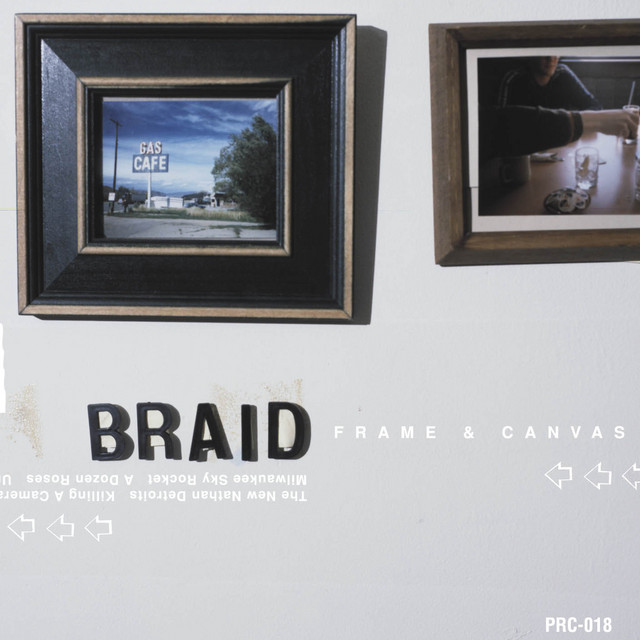
- Frame & Canvas
- The Age of Octeen