LA Punk (Early 80s)
From Hollywood art punks to suburban hardcore: the violent, uncompromising scene that invented American hardcore
- The Masque: Punk's Dungeon
- Black Flag vs. LAPD
- Darby Crash's Final Words
In this issue
- 01Chapter 1The Scene2 min
- 02Chapter 2Key PlayersMembers
- 03Chapter 3Defining the SoundMembers
- 04Chapter 4StoriesMembers
- 05Chapter 5Legacy and InfluenceMembers
- 06The long readAn Attrition ThingMembers
- 07The castWho was thereMembers
- 08Family treeWho played with whomMembers
- 09In their own wordsHear them tell itMembers
- 10Essential recordsThe records that made itMembers
- 11The labelsWho put it on recordMembers
- 12The gearWhat made the soundMembers
- 13Chronology1973 to 1986Members
- 14StoriesThe stories behind itMembers
- 15PlacesWhere it happenedMembers
- 16ConnectionsWhere it ledMembers
- 17Go furtherRead and watch nextMembers
The Scene
It begins in 1973, at Rodney Bingenheimer's English Disco on the Sunset Strip. Not quite punk yet, but already something else—David Bowie disciples in platform boots, a revolt dressed in glitter. Rodney himself, barely five feet tall, had befriended everyone from Sonny and Cher to the New York Dolls. He ran the club as a cathedral for misfits. When the Ramones played their first LA show in August 1976, witnessed by Greg Ginn and Keith Morris (who'd form Black Flag within months), the congregation was already waiting. The Runaways—five teenage girls managed by the notorious Kim Fowley—had released 'Cherry Bomb' that same year, one of the first records anywhere that could be called punk. Proto-punk bands like the Flyboys and Atomic Kid had been making noise since '74. Black Flag's first show as Panic came in December 1977, at a Redondo Beach hall. LA had a lineage.
What emerged by '78 was a split personality. Hollywood had the Germs, X, the Screamers, the Weirdos—art punks who drew from poetry, film, performance. Darby Crash of the Germs, born Jan Paul Beahm, had been expelled from University High for alleged psychological manipulation of classmates. As Kira Roessler remembers it, 'I was always influenced by my older brother...He had friends from high school who had started a punk rock band and we started to go to shows.' X's John Doe and Exene Cervenka wrote lyrics like Raymond Chandler fever dreams. These bands played the Masque, a basement club on Hollywood Boulevard—illegal, dripping, perfect. The ceiling sweated, the floor was concrete, the sound was mud. The Masque ran from 1977 to 1979, just long enough to establish Hollywood as punk's intellectual center.
Read the rest of this issue, and every other one.
The full essay, the cast (Black Flag, Germs, X and more), the records, the chronology and the stories. About 13 minutes of reading, with the music a click away.
Start your 7-day free trialThen $5 a month. Cancel any time.10 albums, and the stories behind them
- 1
Black Flag's debut EP launched SST Records and the raw, fast, aggressive sound that would define the whole scene.
- 2
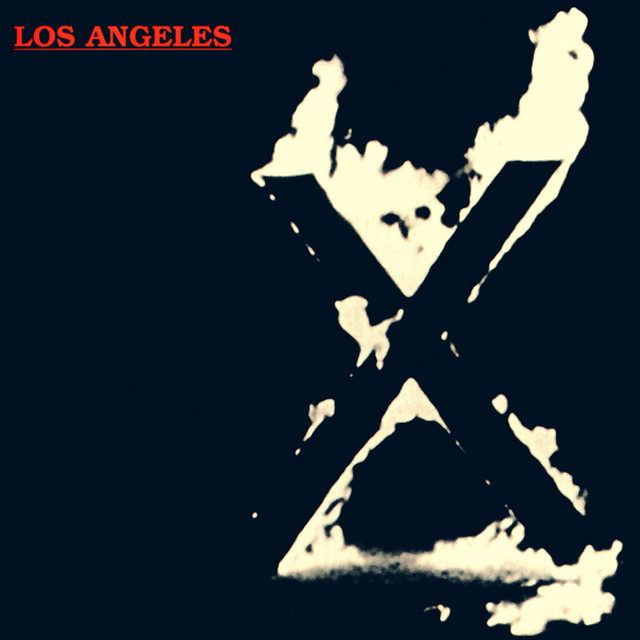
X's debut captured Hollywood punk's art-damaged noir side and stands as one of the greatest punk albums ever made.
- 3
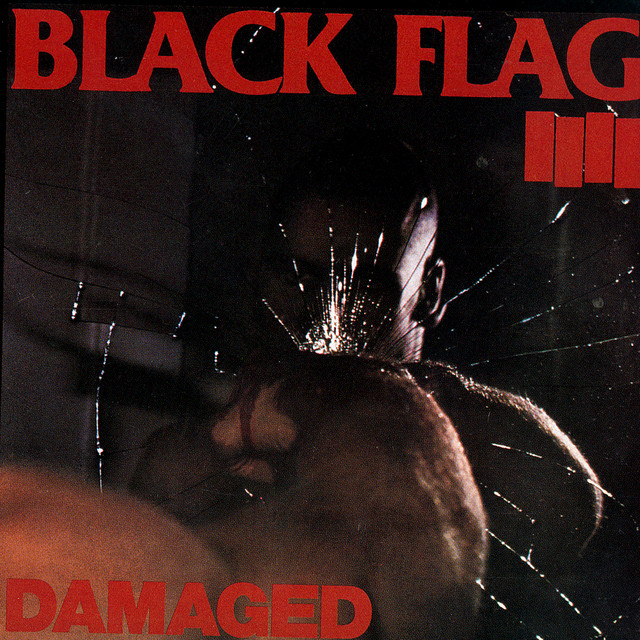
The definitive early hardcore album, raw and uncompromising, at the center of a legal battle over its content.
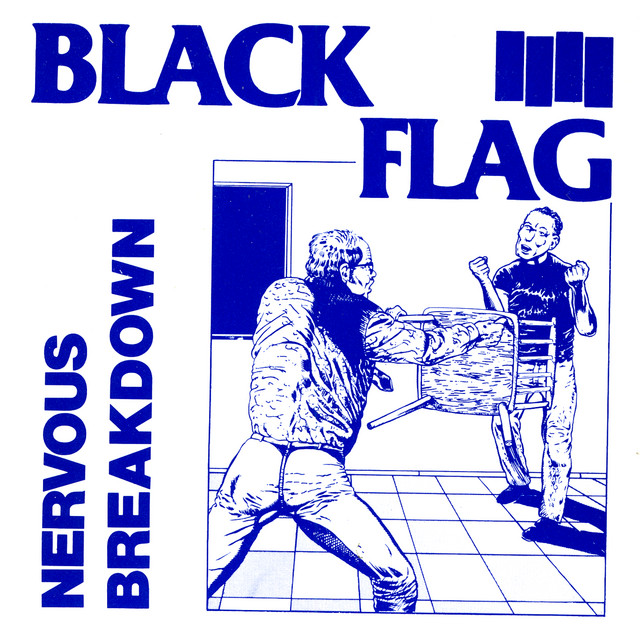
- Nervous Breakdown
- Los Angeles
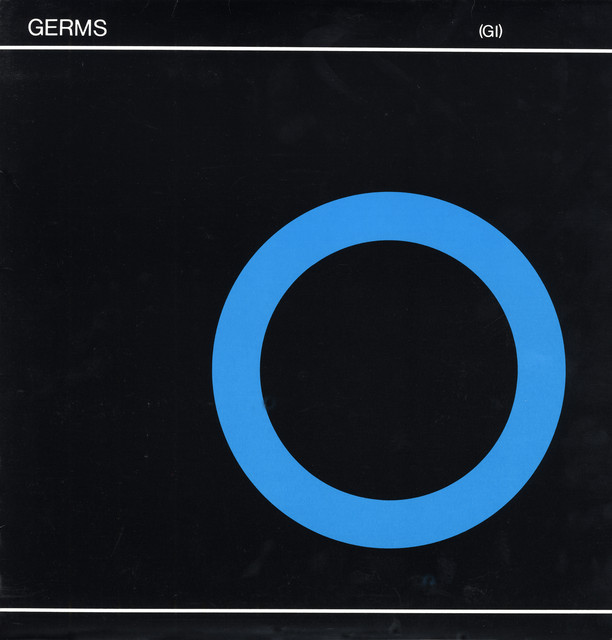
- (GI)
- Damaged
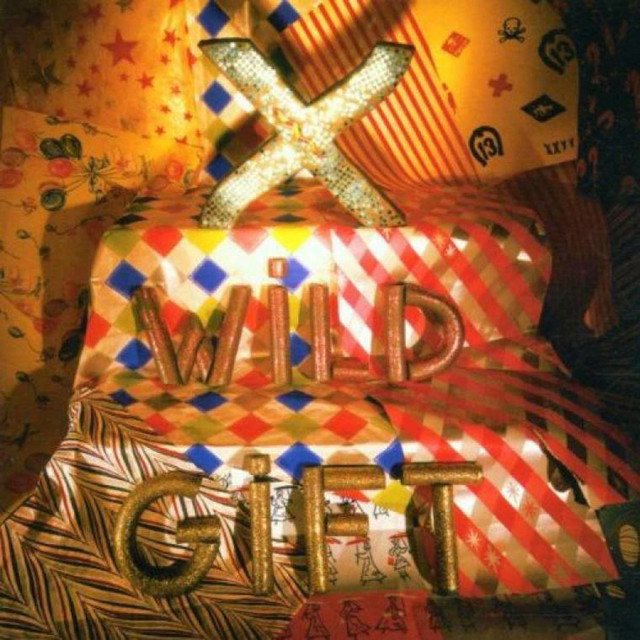
- Wild Gift
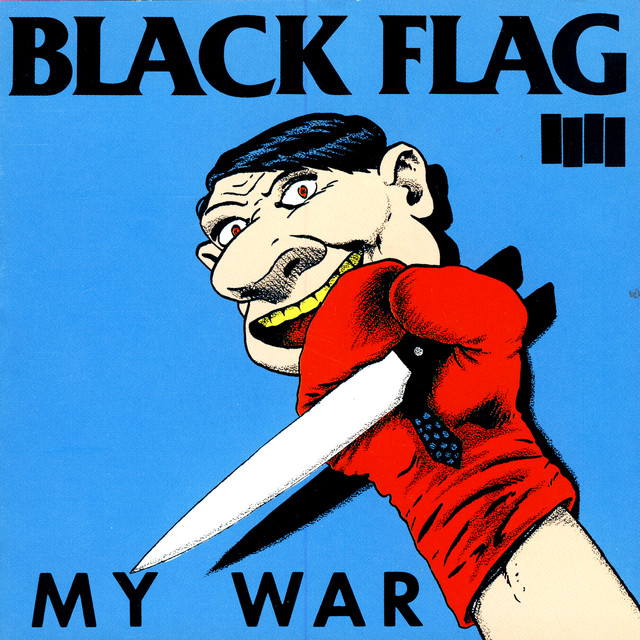
- My War