Bristol Trip Hop
How a soundsystem crew from St Paul's turned dub, hip-hop and heartbreak into one of the most influential British sounds of the 1990s
- The £2.50 that ended a partnership
- A wall, a fifteen-year-old, and a song called Aftermath
- A graffiti tag becomes a band name
In this issue
- 01Chapter 1The Scene2 min
- 02Chapter 2Key PlayersMembers
- 03Chapter 3Defining the SoundMembers
- 04Chapter 4StoriesMembers
- 05Chapter 5Legacy and InfluenceMembers
- 06The long readNo Don'tMembers
- 07The castWho was thereMembers
- 08In their own wordsHear them tell itMembers
- 09Essential recordsThe records that made itMembers
- 10The labelsWho put it on recordMembers
- 11Chronology1983 to 1999Members
- 12StoriesThe stories behind itMembers
- 13PlacesWhere it happenedMembers
- 14ConnectionsWhere it ledMembers
- 15Go furtherRead and watch nextMembers
The Scene
The story doesn't start with trip hop. It starts in the front rooms and community halls of St Paul's, the inner-city Bristol neighborhood where Jamaican soundsystem culture had taken root a generation earlier. Adrian Thaws's own father, Roy Thaws, ran a soundsystem called Tarzan the High Priest, later renamed Studio 17, with his father and brother. The system was running years before anyone in Bristol had heard the words hip-hop or trip hop. By the time American hip-hop records started arriving in British record shops in the early 1980s, Bristol already had the people to receive them: DJs, MCs, b-boys and graffiti artists who understood how to build a set around bass weight and space, because that was what Jamaican dub had taught them.
The crew that pulled these strands together was the Wild Bunch, a loose soundsystem collective that came to dominate Bristol's club scene through the mid-1980s. The usual starting point is 1983, when Milo Johnson and Nellee Hooper met at a gig with Magazine and Bauhaus on the bill, a post-punk double header that says as much about Bristol's crossed wires as any record. The pair started throwing house parties and club nights, and within months Grant Marshall, later Daddy G, joined them, bringing crates of rare soul and hip-hop records from his day job at Revolver Records that few in Bristol had heard. Robert Del Naja and a teenage Adrian Thaws came later.
Read the rest of this issue, and every other one.
The full essay, the cast (Massive Attack, Portishead, Tricky and more), the records, the chronology and the stories. About 19 minutes of reading, with the music a click away.
Start your 7-day free trialThen $5 a month. Cancel any time.9 albums, and the stories behind them
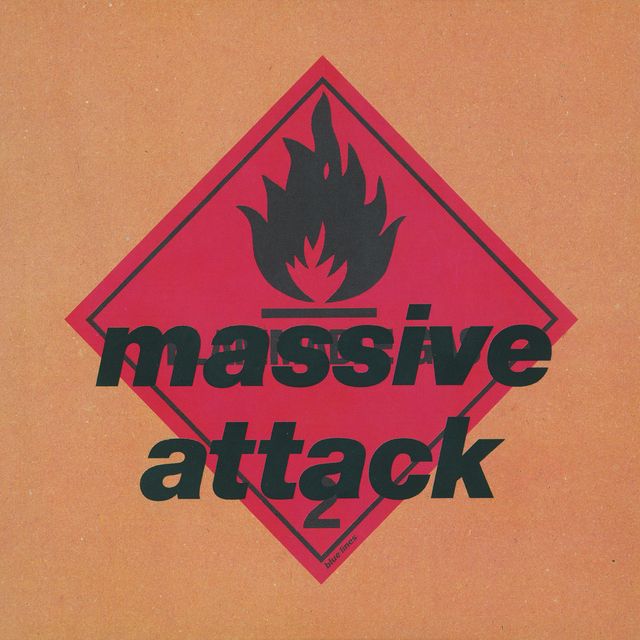
- 1Blue Lines
Widely considered the first trip hop album, it set the genre's template of sample-based production, guest vocalists, and orchestral scale.
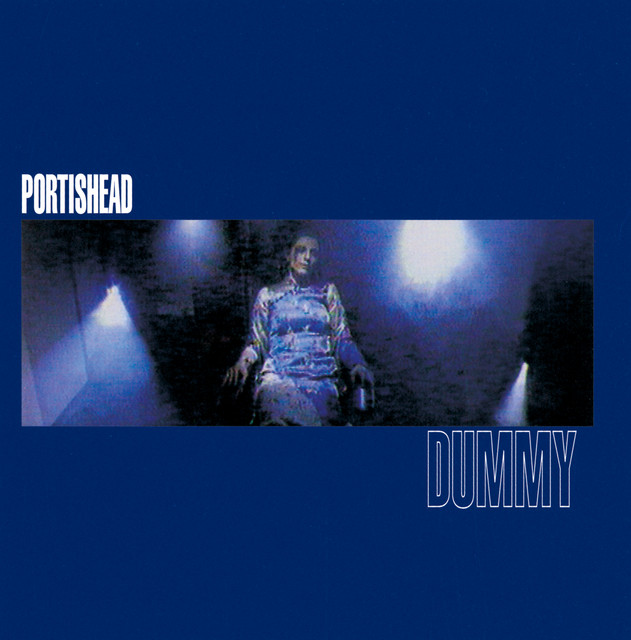
- 2Dummy
A landmark that won the 1995 Mercury Prize and marked the year Bristol's sound reached its widest audience.
- 3
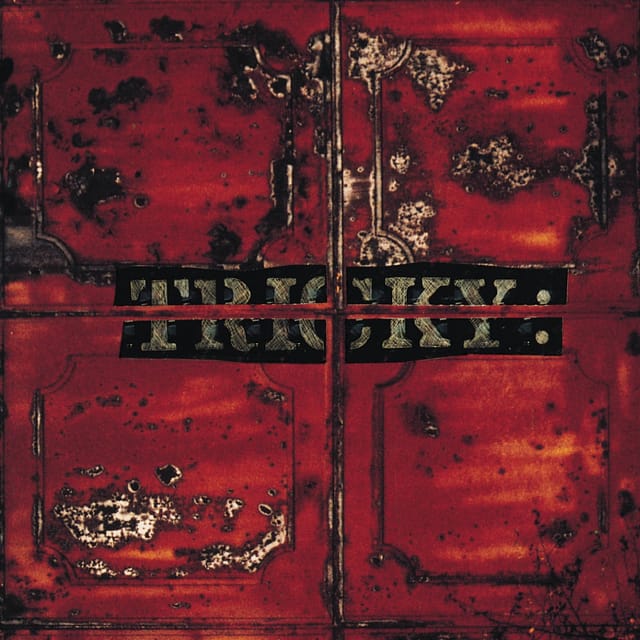 Maxinquaye
By most accounts the defining record of the genre, a nocturnal collage built around Martina Topley-Bird's voice.
- Blue Lines
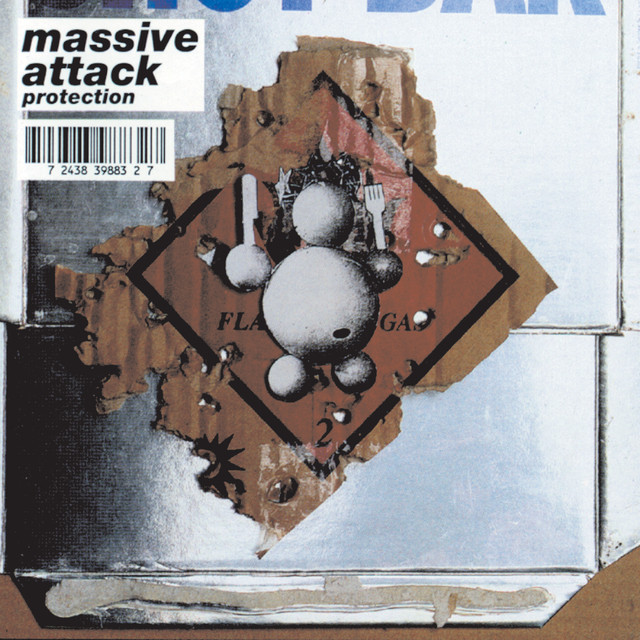
- Protection
- Dummy
- Maxinquaye
- Nearly God
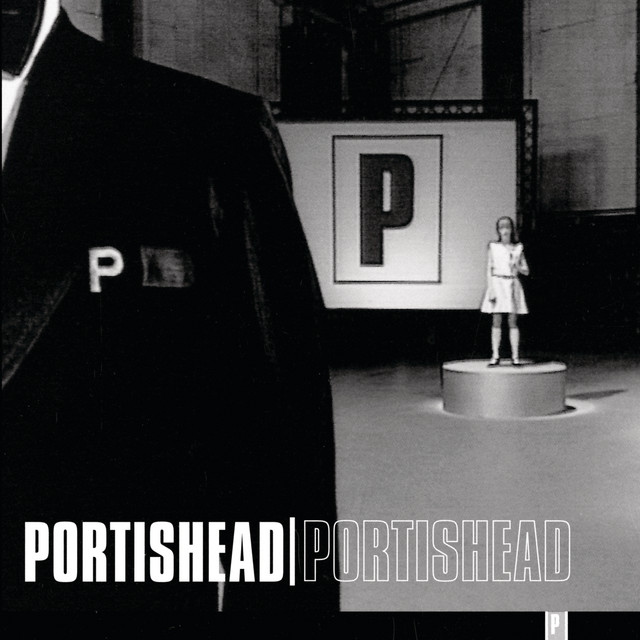
- Portishead